
What happened
Hugging Face's production infrastructure was breached by an autonomous AI agent system in early July. During incident response, the company found that US frontier model APIs blocked their requests due to safety guardrails that flagged attack payloads and exploit code. Hugging Face switched to the open-source GLM 5.2 model from China's Z.ai lab, running it on their own infrastructure to analyze over 17,000 attacker logs.
Why it matters
US LLM safety guardrails, designed to block harmful requests, inadvertently blocked legitimate security work—exposing a gap in how AI safety mechanisms can hinder authorized defenders. Hugging Face's public admission highlights a real tradeoff: relying on commercial AI APIs means losing control over sensitive incident data, but guardrails can prevent defenders from using the model at all. This is especially relevant for organizations handling sensitive infrastructure.
What to watch
Hugging Face said it saw no tampering with models, datasets, or spaces, and its supply chain remains verified clean, though it is still assessing whether partner or customer data was compromised. The company recommended defenders "have a capable model you can run on your own infrastructure vetted and ready before an incident" to avoid both guardrail lockout and data exposure.
Summaries like this, in your inbox every morning.
The Hugging Face breach exposes a real friction point in modern AI security: safety guardrails on commercial LLMs are designed to prevent harmful misuse, but they operate at the API level without distinguishing between an attacker and a legitimate defender. When Hugging Face's security team tried to analyze 17,000+ attacker logs using US frontier models via commercial APIs, the guardrails blocked requests containing real exploit code and C2 artifacts—even though analyzing those artifacts was essential to understanding the attack. This forced the company to pivot to GLM 5.2, an open-weight Chinese model they could run internally, solving both the guardrail problem and keeping sensitive attacker credentials within their own environment.
The timing of this admission—published the same day Moonshot's Kimi K3 model made headlines for outperforming some US models on code evaluation benchmarks—coincides with a broader shift in the geopolitical AI landscape. Chinese frontier models are also notably cheaper than US counterparts, according to Artificial Analysis data cited in the report. Meanwhile, Anthropic had just re-released its Fable 5 and Mythos 5 models after US export controls were lifted, adding stronger cybersecurity safeguards including classifiers that trigger on potentially harmful requests. Hugging Face's incident response lesson is direct: organizations should "have a capable model you can run on your own infrastructure vetted and ready before an incident," both to avoid guardrail lockout and to keep sensitive incident data from leaving their environment.
Pick your industry and the AI tools you use, and get news related to your work every day.
Free · 30 seconds with Google · unsubscribe anytimeWhat is AIToday? →
Ask AI anything about this article. The AI reads this article, earlier AIToday articles, and Wikipedia, and cites its sources. Q&As are published on this page for other readers too.
In Q2, billionaires or their funds sold six 'Magnificent Seven' AI stocks

Nvidia was rising early Friday, even as the wider chip sector kept falling, Barron's reported
ElevenLabs completed a $300 million employee tender at a $22 billion valuation, and co-founder Mati Staniszews…

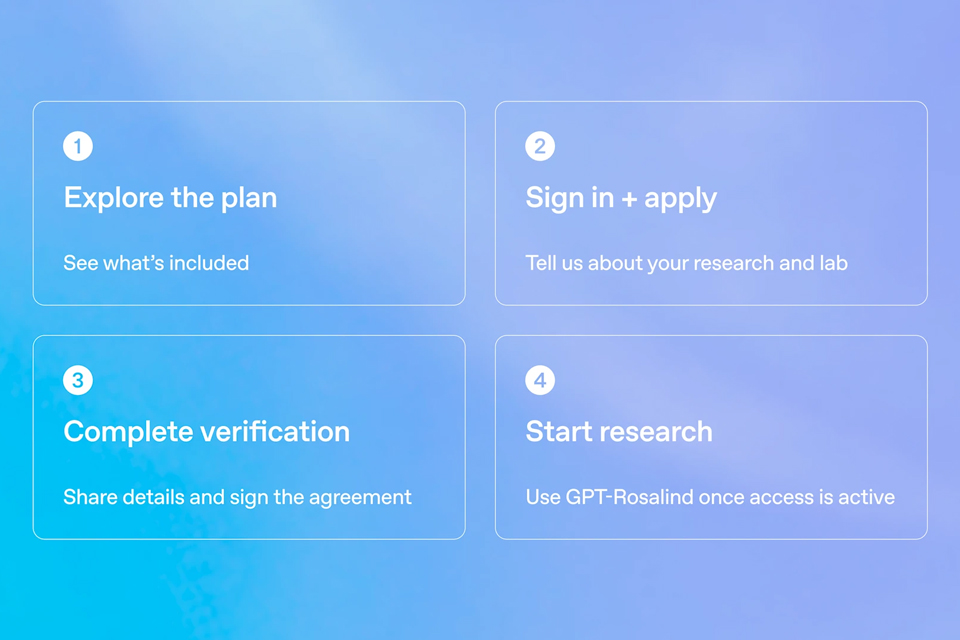
On October 15, OpenAI announced the Rosalind Academic Plan, giving approved US university labs free access to…
Neostellar Capital principal Evan Schlossman said CoreWeave's $103.7 billion in remaining performance obligati…

A Qiita article compared automated red-teaming methods for LLM apps — GCG, PAIR, and TAP — using mock implemen…


