What happened
The AI economy is now shaped by three competing forces—closed-source frontier labs (OpenAI, Anthropic), open-weight models (especially from China), and application companies built on both—each powerful enough to reshape the others' paths but none able to dictate the outcome alone. Recent months have seen unprecedented demand and revenue growth at frontier labs, intensifying competition from Meta's Muse Spark 1.1 and xAI's Grok 4.5, while Chinese models like Zhipu's GLM 5.2 and Moonshot's Kimi K3 now perform at or near frontier levels at a fraction of the cost. U.S. open-weight models such as Thinking Machines' Inkling and Nvidia's Nemotron 3 are emerging as domestic alternatives, and application companies are shifting to build on open models for lower costs and greater control.
Why it matters
Enterprise spending on AI now represents somewhere between 0.5 and 1 percent of all white-collar salaries in the United States—a scale that warrants close inspection. Palantir's Alex Karp warned in July that enterprises are "tokenmaxxing," spending heavily on tokens without matching productivity gains, signaling tension between rapid adoption and demonstrated return on investment. The tension between frontier labs' high prices and open models' lower costs is reshaping how companies choose their AI infrastructure.
What to watch
The pricing pressure from competition, the pace at which U.S. open-weight models gain genuine adoption as alternatives to Chinese releases, and the convergence of frontier labs (moving deeper into the product stack to widen margins) and application companies (building moats into the model stack). The unresolved question is not whether AI pays off, but who captures the value—the frontier labs, the open models, or the applications that own the customer.
Summaries like this, in your inbox every morning.
The article frames the 2026 AI economy as inherently unstable, borrowing the physics metaphor of a three-body problem where no single actor can control the system's final equilibrium. This instability has been amplified by several recent developments. Frontier labs like Anthropic and OpenAI have seen unprecedented demand and revenue growth, which has both spread AI's benefits broadly and intensified pressure on companies to justify spending through measurable productivity gains. That pressure is real: with AI spending now representing 0.5–1% of U.S. white-collar salaries, the market has reached a scale at which return-on-investment scrutiny is warranted. Simultaneously, the competitive landscape has fragmented. Chinese open-weight models (GLM 5.2, Kimi K3) have closed the capability gap while offering dramatic cost advantages, and U.S. open-weight alternatives (Inkling, Nemotron 3) are now credible domestic options. This multi-model emergence is forcing application companies to recalibrate their strategy—many are now building on open models rather than frontier labs, prioritizing cost control and architectural independence. The author's prediction is that this tension will resolve not through one faction's dominance but through convergence: frontier labs will move deeper into the product stack (building end-to-end solutions to justify high margins), application companies will do the same (building moats into the model layer itself), and the distinction between open and closed will blur as frontier labs support model personalization. The critical uncertainty is not whether AI will generate value, but which layer—frontier labs, open models, or application companies—will capture it.
Pick your industry and the AI tools you use, and get news related to your work every day.
Free · 30 seconds with Google · unsubscribe anytimeWhat is AIToday? →
Ask AI anything about this article. The AI reads this article, earlier AIToday articles, and Wikipedia, and cites its sources. Q&As are published on this page for other readers too.
In Q2, billionaires or their funds sold six 'Magnificent Seven' AI stocks
Nvidia was rising early Friday, even as the wider chip sector kept falling, Barron's reported
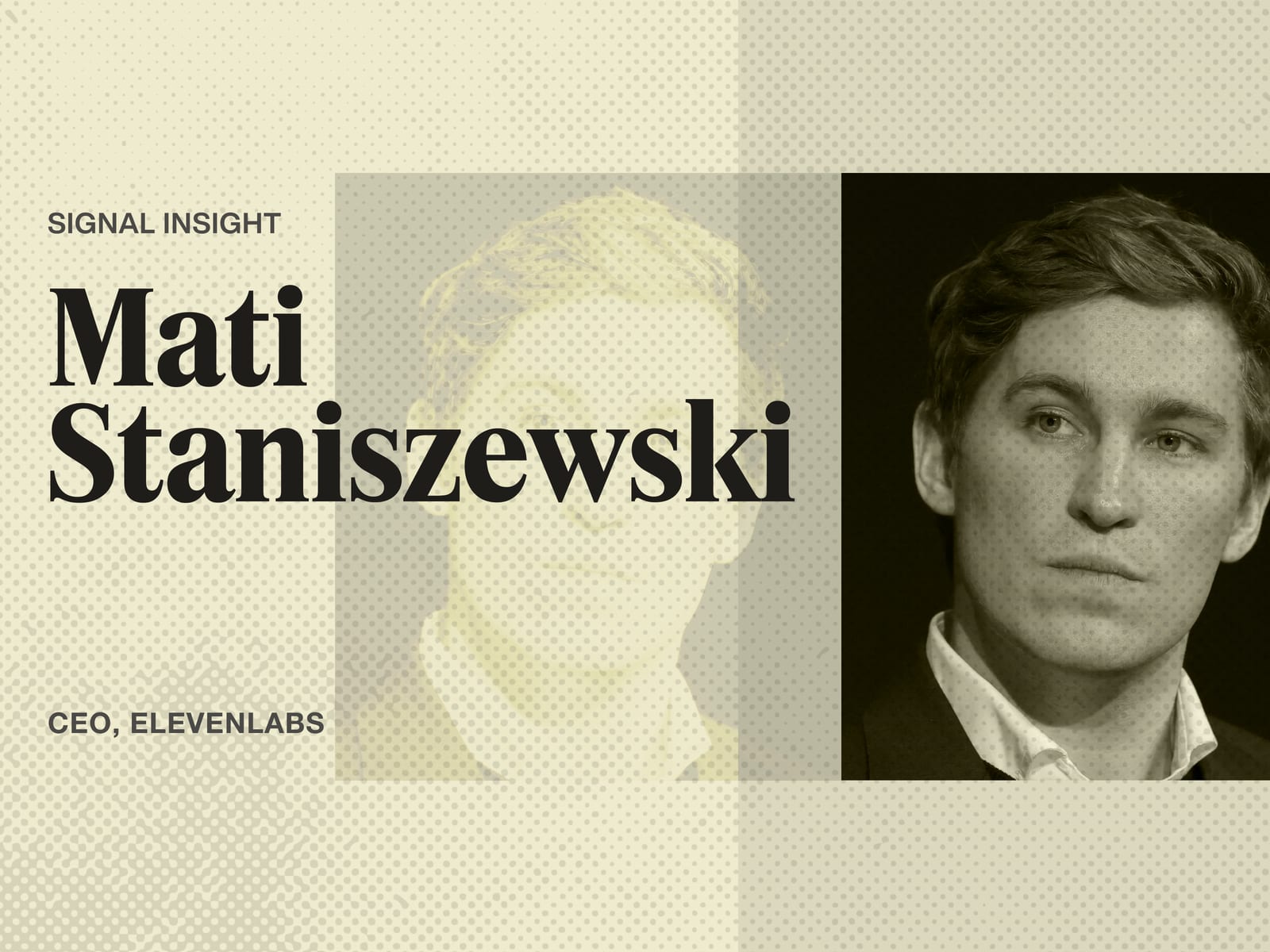
ElevenLabs completed a $300 million employee tender at a $22 billion valuation, and co-founder Mati Staniszews…
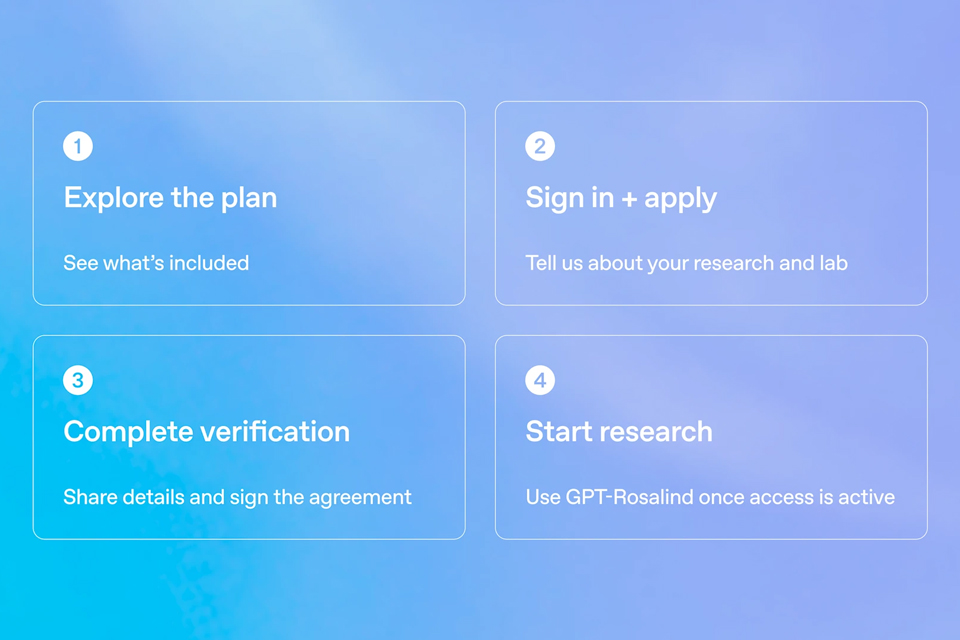
On October 15, OpenAI announced the Rosalind Academic Plan, giving approved US university labs free access to…
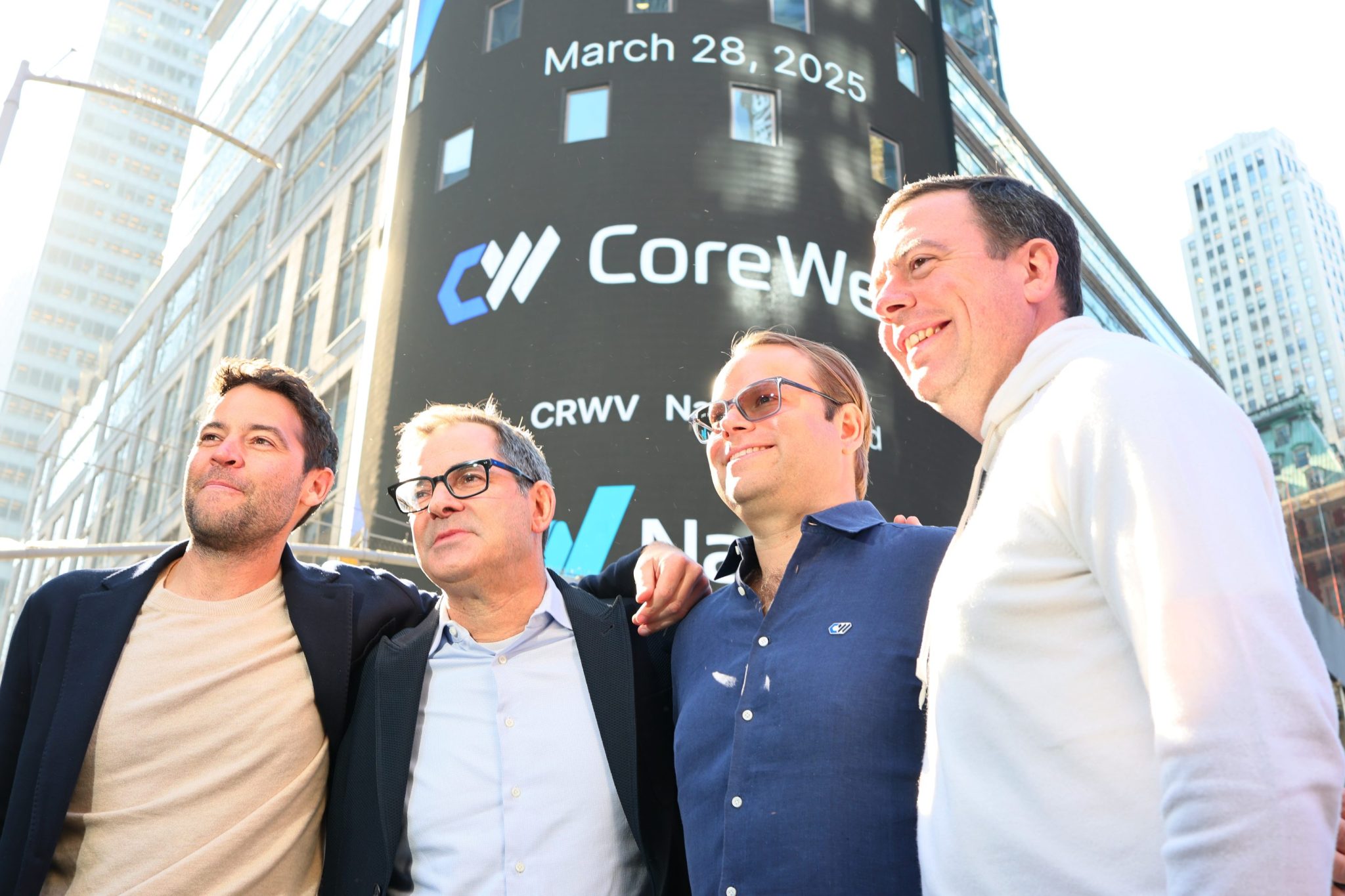
Neostellar Capital principal Evan Schlossman said CoreWeave's $103.7 billion in remaining performance obligati…
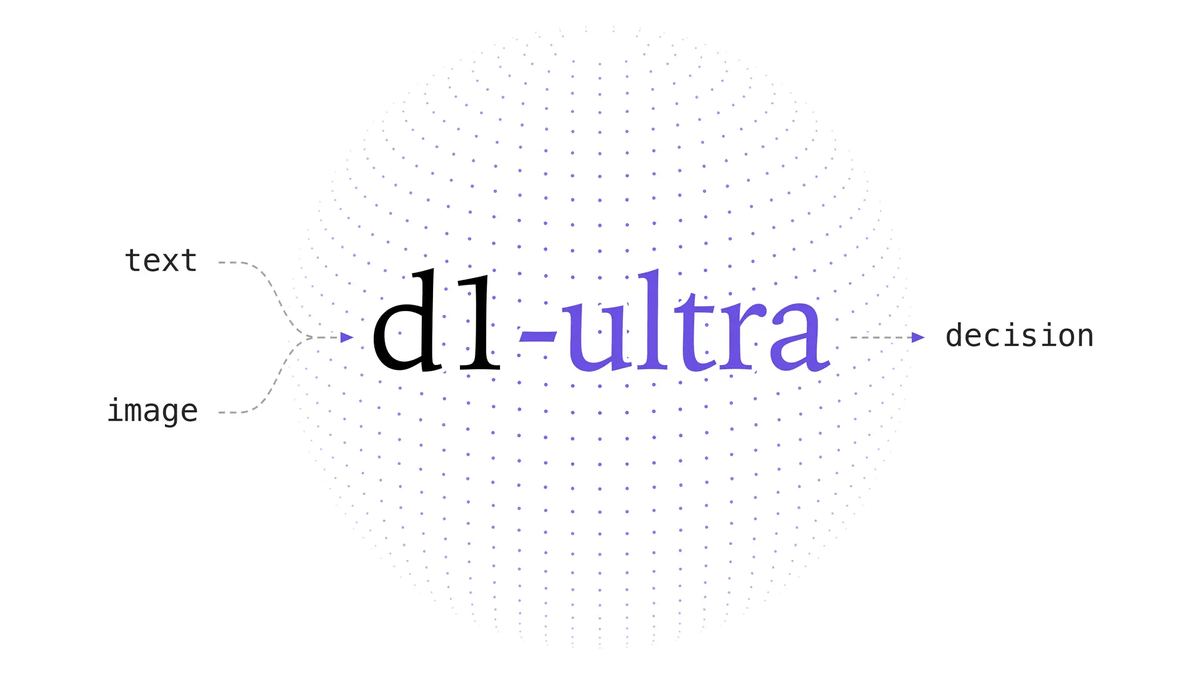
Liquid AI released d1-ultra on October 15, 2026, an upgraded open-weights decision model that averaged 76.7 ac…