China's regulatory process for AI is accelerating significantly, with Beijing issuing a regulation in April requiring domestic AI firms to establish internal 'artificial intelligence ethics review committees' and the State Council outlining a legislative work plan for 2026 to improve AI governance.
The Trump administration is divided on AI policy: the Commerce Department and Office of Science and Technology Policy favor a light-touch regulatory approach, while security-focused agencies like the Office of the National Cyber Director argue governance is needed now; tensions reportedly intensified after the abrupt end of Sacks' tenure as AI advisor.
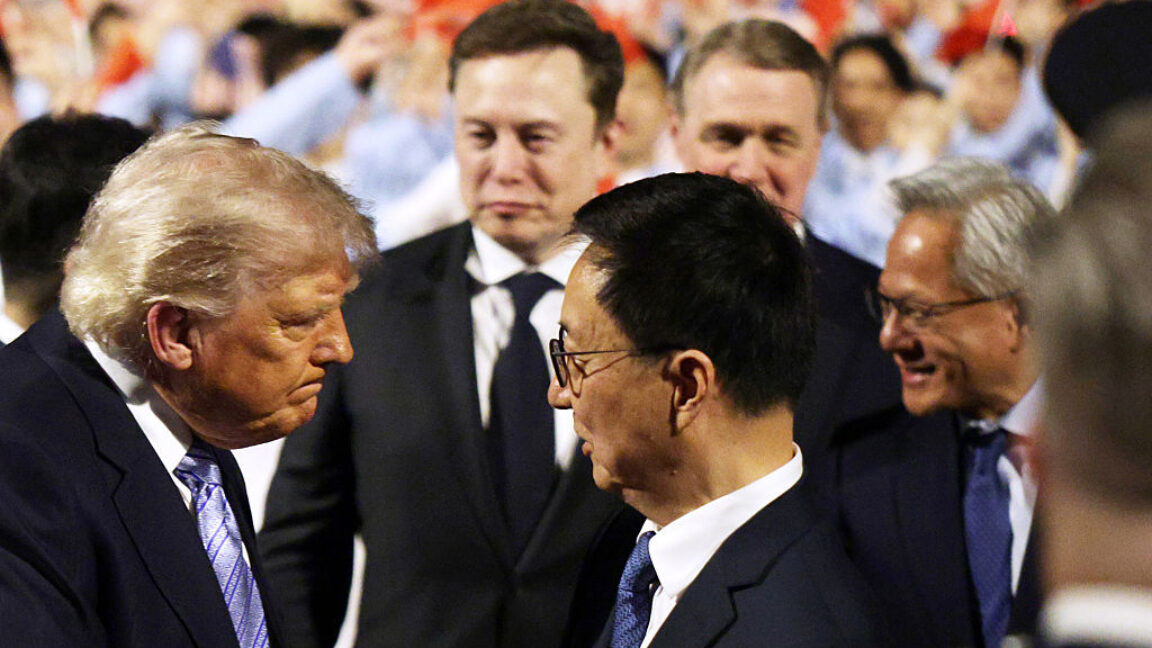
Trump agreed with China's president Xi Jinping to launch an intergovernmental dialogue on AI to mutually navigate emerging national security risks, according to the Chinese Foreign Ministry.
Vice President JD Vance said the administration is prioritizing 'protecting people's data' and 'people's privacy' after concerns about Mythos were raised.
Ask the AI about this article →
For example, today's edition would include:
AI-summarized, only the topics you pick — one digest a day via Email, Slack, or Discord.
Free · takes 30 seconds · unsubscribe anytimeWhat is AIToday? →
Ask AI anything about this article. Q&As are published on this page for other readers too.
Goldman Sachs, Morgan Stanley and Citigroup are pressing elite law firms to lower fees, arguing AI is sharply…

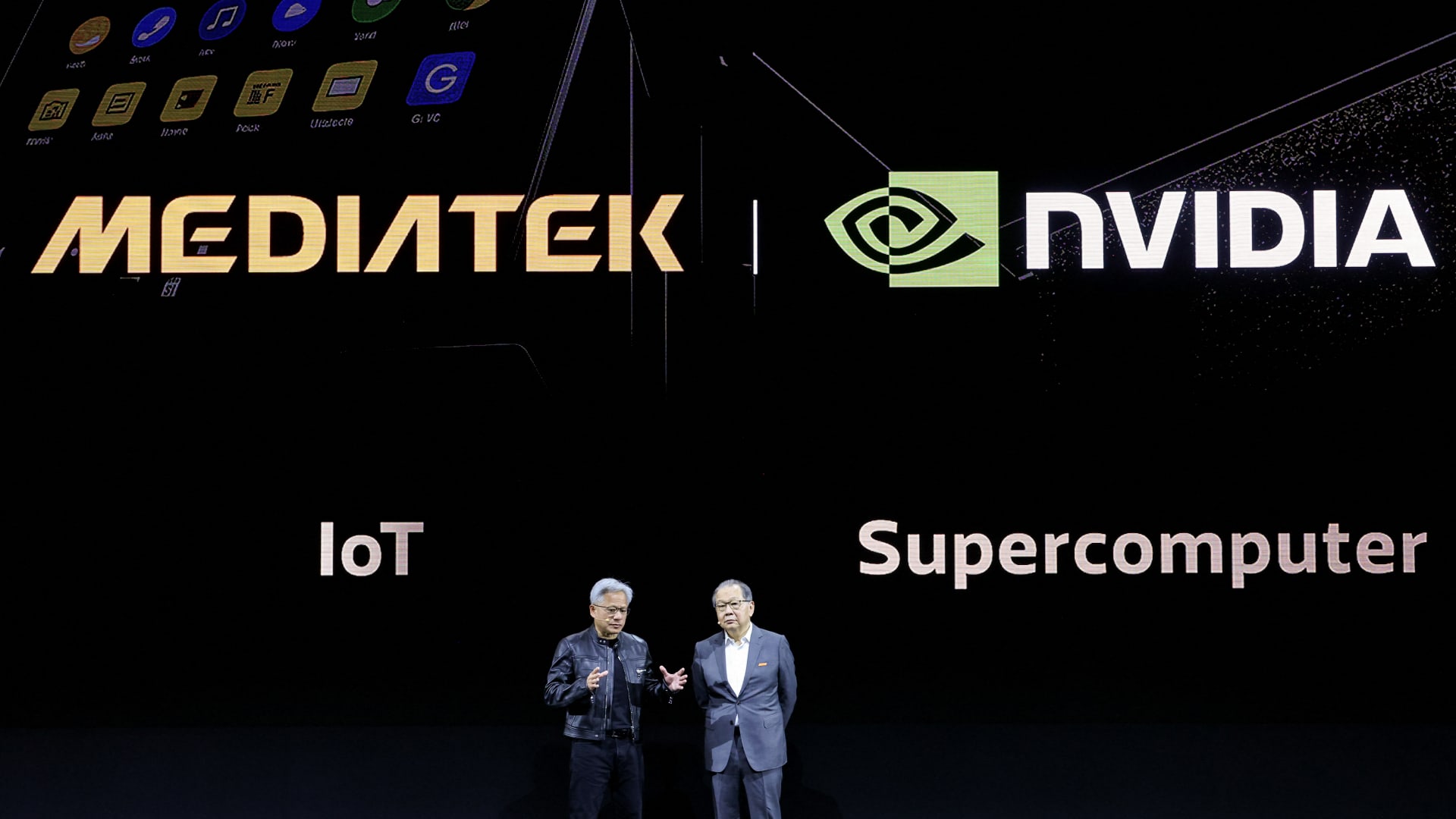
MediaTek shares closed 10% higher on Tuesday after the Taiwanese chip firm announced a partnership with Nvidia
GE Vernova (NYSE: GEV) announced on August 24, 2026, in Paris, a new medium-voltage uninterruptible power supp…

Dell raised its annual revenue outlook, citing strong sales of AI servers

Oracle (ORCL) stock is down 4% to $142.82 in Tuesday afternoon trading, after the 10-year Treasury yield climb…

Tesla's investments in AI startups lag far behind its Magnificent Seven peers