What happened
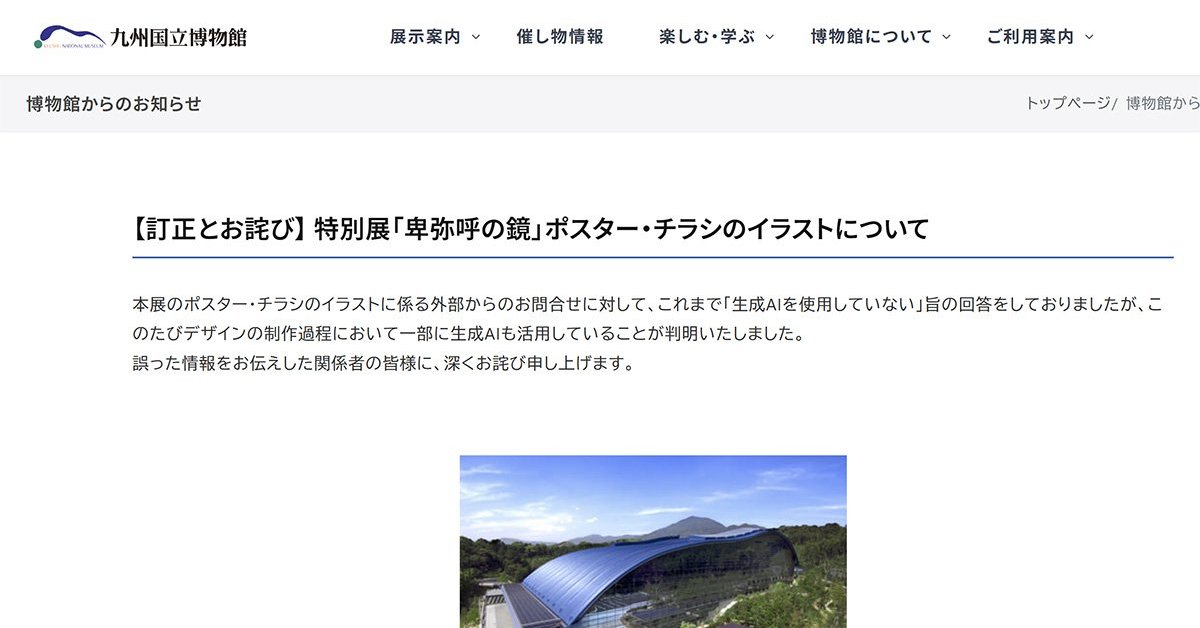
On September 17, the Kyushu National Museum said generative AI was used in part of the poster and flyer illustrations for the special exhibition "Himiko's Mirror." It had earlier told Sanyo Shimbun in July that no generative AI was used.
Why it matters
The museum's initial denial now appears to have been incorrect, which is why it apologized to those it gave wrong information to. This is likely to draw scrutiny to how much AI is involved in exhibition artwork.
What to watch
The museum said the designer and illustrator asked to keep their names undisclosed, so how the AI was used and by whom remains unclear. Watch whether the museum explains the extent of the AI use.
WHO IT HITSMuseums, exhibition designers, and illustrators who produce promotional artwork face heightened scrutiny over AI disclosure. Institutions that speak publicly about AI use may face credibility questions if their statements turn out to be inaccurate.
Summaries like this, in your inbox every morning.
The episode began in July, when the Kyushu National Museum explained its poster choice to Sanyo Shimbun. It said the selection prioritized elements such as being eye-catching and standing apart from past museum posters, and that the designer and illustrator had asked to remain unnamed. At that time, the museum also stated plainly that generative AI was not used at all and that everything was drawn by an illustrator.
On September 17, the museum reported that generative AI had in fact been used in part of the poster and flyer illustrations for "Himiko's Mirror." Because it had earlier answered an outside inquiry by saying AI was not used, it issued an apology to those it had given incorrect information to.
What the museum has not yet made clear is how much of the artwork involved AI, or who made the decision to describe the work as entirely illustrator-drawn. The stakes here hinge on whether the museum provides a fuller account of the AI's role, since its credibility with reporters and visitors may depend on closing the gap between its July statement and its September admission.
For example, today's edition would include:
AI-summarized, only the topics you pick — one digest a day via Email, Slack, or Discord.
Free · 30 seconds with Google · unsubscribe anytimeWhat is AIToday? →
Ask AI anything about this article. Q&As are published on this page for other readers too.
At Dreamforce, Salesforce CEO Marc Benioff told Fortune that AI companies should be held accountable for risks…
A self-described progressive writer published a first-person essay arguing that supporting AI use shouldn't be…

OpenAI revealed six incidents it called 'concerning', Barron's reported, as shares of Marvell and other AI sto…

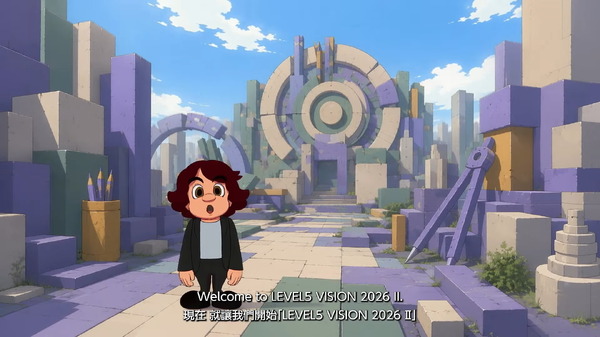
At Level-5's announcement event, an AI-generated video drew controversy, and president Akihiro Hino apologized…
NEC has developed "cotomi Security for Industry", a security-focused AI technology aimed at supporting vulnera…
Speaking at Workiva's Amplify conference, Vast Space chief audit executive Josh Robinson said AI agents remove…