Meta's Facebook and Instagram platforms served thousands of ads for AI "nudify" apps—tools that create fake sexual imagery—through a Chinese advertising partner despite Meta's stated ban on such ads. The Tech Transparency Project found approximately 7,600 ads from Beijing-based GatherOne promoting these apps, including one flagged for child sexual abuse material, highlighting repeated enforcement failures across major tech platforms.
Summaries like this, in your inbox every morning.
Sign up free →What happened
Meta's Facebook and Instagram platforms served approximately 7,600 ads for AI "nudify" apps—software that superimposes women's faces onto naked bodies—delivered by Beijing-based GatherOne, one of Meta's advertising partners in China, according to the nonprofit Tech Transparency Project. One flagged app, created in China, allowed sharing of material some users identified as child pornography.
Why it matters
Meta's own policies explicitly prohibit sexually suggestive ads and ads for apps designed to remove clothing from people in images. The report shows Meta failed to enforce these rules despite them being in place. Regulators, victims, and their families worldwide have been pressuring tech companies to combat deepfake pornography services.
What to watch
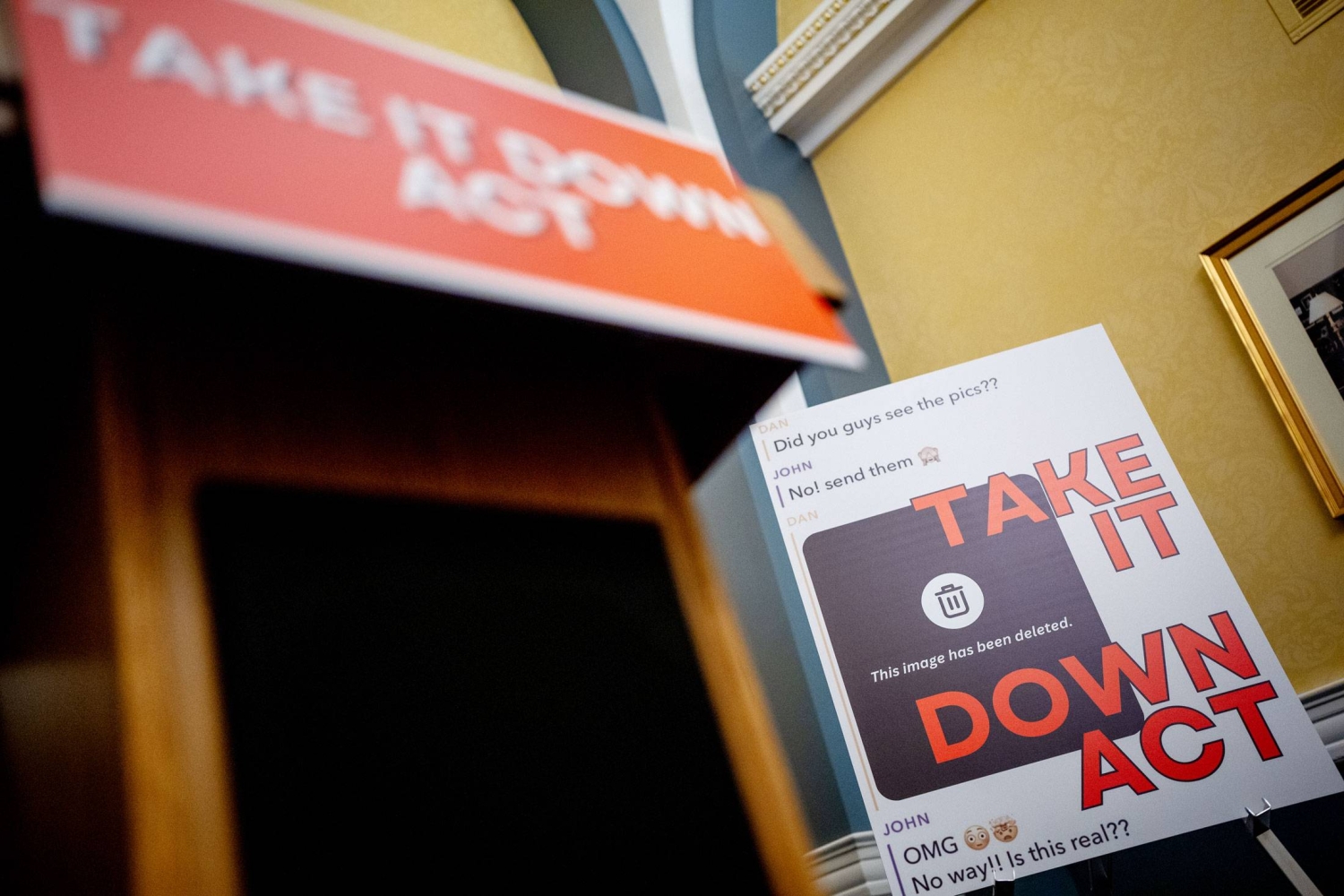
The U.S. Take It Down Act criminalizes publication of nonconsensual sexual content and requires social media and website operators to remove such posts, establishing a legal framework under which Meta's enforcement failures could face scrutiny.
Meta Platforms' Facebook and Instagram served thousands of advertisements for AI "nudify" apps in recent months, according to a report by the nonprofit Tech Transparency Project that examined the company's advertising oversight. Beijing-based GatherOne, which operates as one of Meta's few advertising partners in China and connects Chinese firms seeking to reach audiences on Meta's platforms with the U.S. company, was responsible for approximately 7,600 of these ads.
The ads promoted mobile applications capable of transposing women's faces onto naked bodies and creating sexualized videos. One app flagged by the Tech Transparency Project was created in China and allowed users to share material that some users have identified as child pornography. These offerings directly violate Meta's advertising policies, which explicitly prohibit sexually suggestive ads and advertisements for apps designed to strip persons depicted of clothing in images.
The Tech Transparency Project, which focuses on holding major tech companies accountable, found that enforcement failures extend beyond Meta. Similar breaches have occurred at Apple and Alphabet, suggesting a systemic pattern of inadequate oversight despite clear policy prohibitions. The report comes as regulators, victims, and their families around the world have intensified calls for tech firms to do more to combat deepfake pornography services. In the United States, the Take It Down Act criminalizes the publication of nonconsensual sexual content and mandates that social media and website operators remove such posts, establishing legal consequences for platforms that fail to manage such material.
Meta's failure to police AI "nudify" ads represents a gap between stated policy and enforcement. The company explicitly prohibits ads for apps designed to create nonconsensual sexual imagery, yet allowed approximately 7,600 such ads to run through one of its advertising partners. The involvement of GatherOne, a Beijing-based firm, underscores how advertising intermediaries—especially those operating across jurisdictions—can become vectors for policy violations.
The broader context shows this is not an isolated incident. The Tech Transparency Project's findings indicate that Apple and Alphabet have similarly struggled to curb such apps despite their own restrictions. At the same time, legal pressure is mounting: the U.S. Take It Down Act now criminalizes the distribution of nonconsensual sexual content, and regulators, victims, and their families worldwide are demanding tech companies take stronger action against deepfake pornography services.
AI-summarized, only the topics you pick — one digest a day via Email, Slack, or Discord.
Free · takes 30 seconds · unsubscribe anytime
No comments yet. Be the first to share your thoughts!
Log in to join the discussion




Get curated AI news from 200+ sources delivered daily to your inbox. Free to use.
Get Started FreeFree · takes 30 seconds · unsubscribe anytime
