What happened
SK Group and Nvidia announced a partnership worth over $500bn to build AI infrastructure in South Korea, including a 2GW AI cloud facility operated by SK Telecom that will launch in 2027, equipped with Nvidia's DSX platform, Vera Rubin accelerated computing technology, and SK hynix HBM4 memory. The deal also covers joint development of next-generation AI memory between SK hynix and Nvidia.
Why it matters
The partnership aims to position South Korea as a global AI innovation hub rather than merely an adopter, leveraging the country's strengths in semiconductor technology and data-center infrastructure. SK Group chairman Chey Tae-won framed competitiveness in the AI era as tied to domestic intelligence production capacity, not just how effectively AI is used.
What to watch
A separate expansion plan by Naver, Nvidia, and Brookfield targets 200MW of Nvidia DSX AI factory deployment—more than triple the prior 55MW project—with Naver planning to extend its total AI infrastructure investment to 1GW and Nvidia committing $1bn to Naver; Brookfield signed a nonbinding term sheet for up to $9bn in financing.
Summaries like this, in your inbox every morning.
The SK Group–Nvidia partnership reflects a strategic shift in how South Korea approaches AI competitiveness. Rather than positioning itself merely as an adopter of AI technology, SK's chairman explicitly framed the country's role as a producer of "intelligence"—a signal that domestic AI infrastructure capacity is now viewed as critical to national economic advantage. The timing follows Nvidia's multi-year agreements announced last month with SK hynix, SK Telecom, Doosan Group, Naver, and LG Group, indicating a broader Nvidia commitment to South Korean manufacturing and deployment.
The deal is structured around two complementary moves: SK Telecom's cloud-infrastructure build (2GW by 2027) provides the computational backbone, while SK hynix's long-term partnership on AI memory supply and co-development addresses a bottleneck in large-scale training. Nvidia's DSX full-stack architecture—which bundles accelerated computing, integrated systems, and software—suggests the companies intend to optimize both energy efficiency and cost at scale, a necessity as demand for AI compute grows, especially across Asia-Pacific markets.
The parallel expansion involving Naver signals that South Korea is attracting multiple infrastructure investments concurrently. Naver's target of 1GW total deployment, combined with the 200MW Naver–Nvidia–Brookfield expansion (more than triple the prior 55MW plan), indicates accelerating capital commitments to the region. Brookfield's $9bn nonbinding term sheet underscores the scale of financing now flowing into AI infrastructure.
For example, today's edition would include:
AI-summarized, only the topics you pick — one digest a day via Email, Slack, or Discord.
Free · 30 seconds with Google · unsubscribe anytimeWhat is AIToday? →
Ask AI anything about this article. Q&As are published on this page for other readers too.
Twist Bioscience agreed to supply antibody characterization data services to Eli Lilly's AI-driven TuneLab dru…

Citi forecasts HBM bit demand rising 62% to 75.2 billion gigabits in 2027 and another 69% to 127.0 billion gig…

Lam Research posted record fiscal 2026 results with higher margin targets and richer dividends
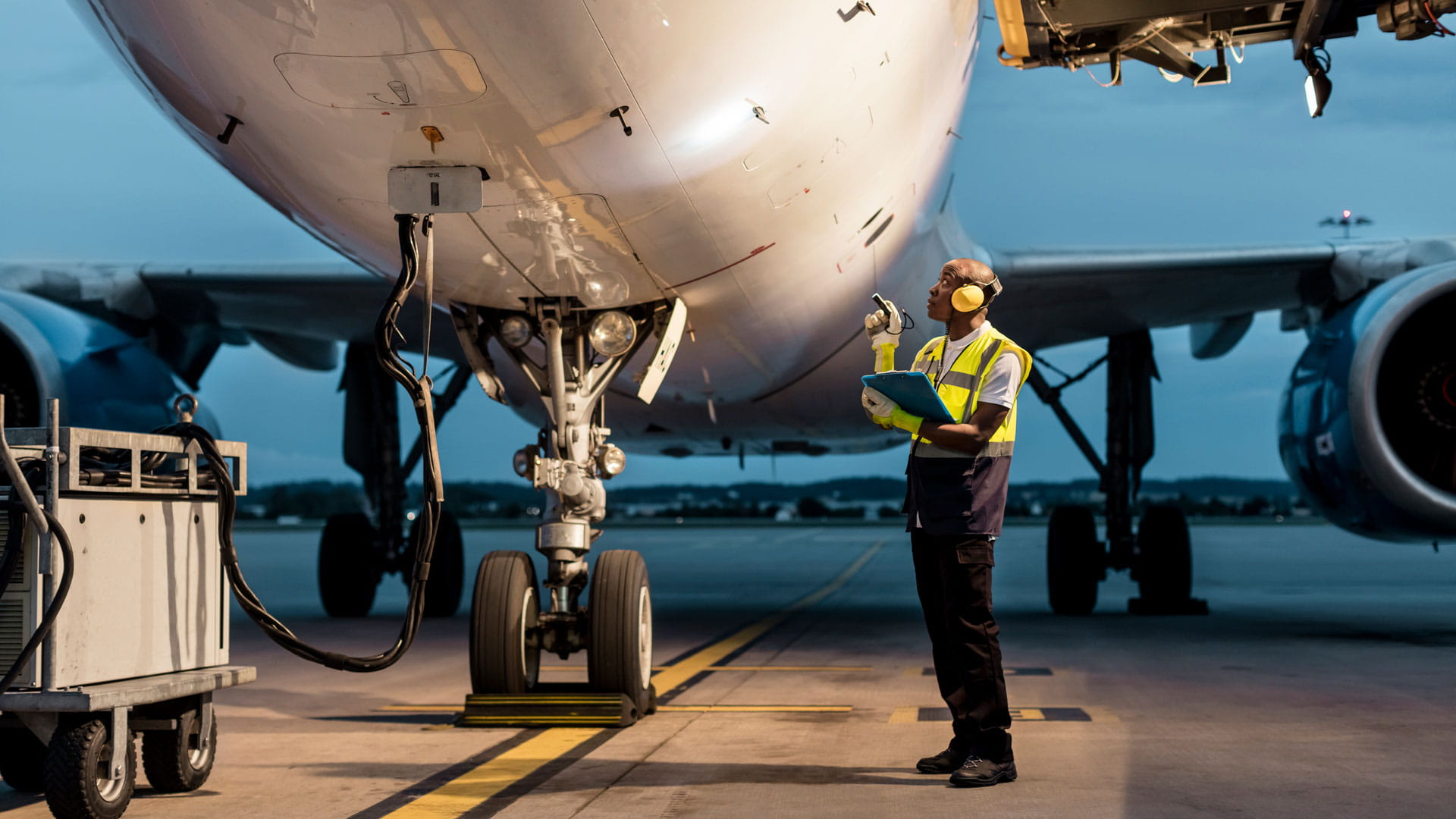
RTX says AI-enabled borescoping has cut overall engine inspection time by more than 30%, with report generatio…
In fiscal 2026, Aehr posted $50.0 million revenue (down 15.2%), a $7.1 million net loss, and negative $5.4 mil…

Yahoo Finance compared Nvidia and Micron and picked Micron as the better AI stock for 2027, citing Micron's ma…