What happened
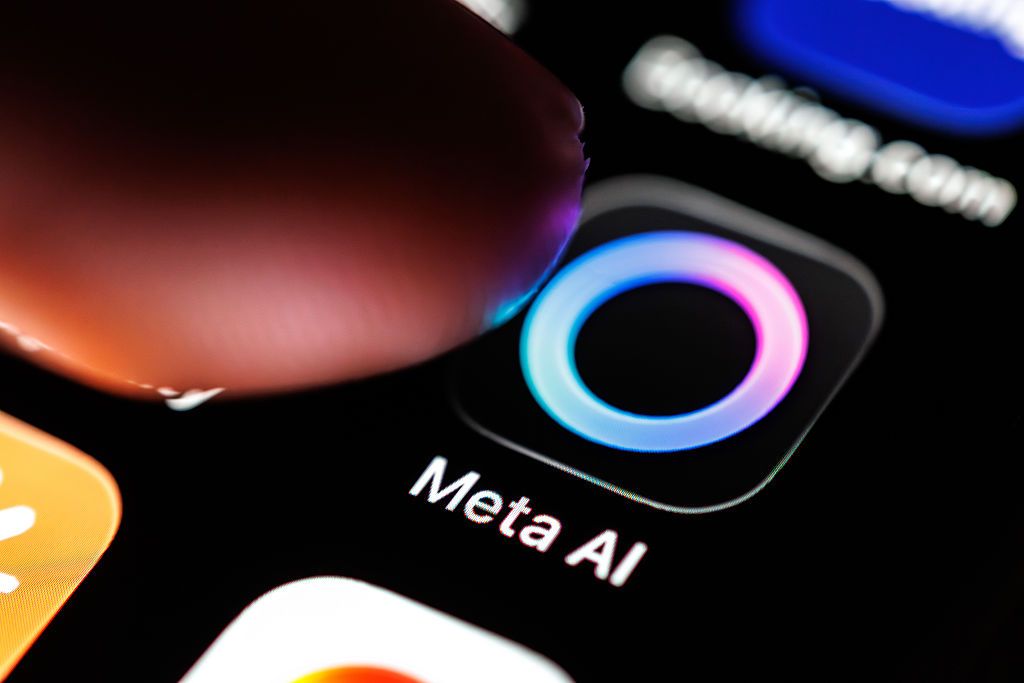
Meta released a Mac app for Meta AI with system-wide dictation that works across all apps. The app also uses Meta's Muse Spark model to analyze the current screen and answer questions based on the visible context. Meta separately announced business features that let merchants connect Instagram, Facebook, Google Workspace (Gmail, Docs, Sheets, Slides), and Meta ad accounts to Meta AI to get insights on campaign performance, audience engagement, and competitors.
Why it matters
The business integration lets owners ask Meta AI to pull campaign and engagement metrics from their accounts, identify top-performing posts, and access public competitor data — without manually checking multiple platforms. Meta AI can also generate proposal decks, draft documents, and spreadsheets, which may reduce manual work for small business teams that run campaigns across Meta's platforms and Google's office tools.
What to watch
CEO Mark Zuckerberg said during Q2 2026 earnings that there is a large opportunity to sell AI agents to businesses to automate work on their behalf. This release fits that strategy, suggesting Meta will continue expanding AI tools for business automation on WhatsApp and Instagram.
Summaries like this, in your inbox every morning.
Meta's release of a Mac app with system-wide dictation mirrors a competitive move by Google, which updated its Gemini app for Mac with the same feature last month. Both companies are extending AI assistants beyond mobile and web, embedding them directly into the desktop environment. For business users, the timing of Meta's business integration announcement suggests a deliberate strategy to make Meta AI a productivity tool rather than a conversational novelty. The integration with Google Workspace is particularly significant: it signals Meta's willingness to bridge its ecosystem with Google's office suite, acknowledging that small business owners operate across multiple platforms. Mark Zuckerberg's Q2 2026 earnings comments about "a big opportunity to sell agents to businesses" provide the underlying rationale — these features are the foundation for a broader push to position AI as a business automation layer, allowing merchants to reduce manual work and consolidate insights across platforms.
Pick your industry and the AI tools you use, and get news related to your work every day.
Free · 30 seconds with Google · unsubscribe anytimeWhat is AIToday? →
Ask AI anything about this article. The AI reads this article, earlier AIToday articles, and Wikipedia, and cites its sources. Q&As are published on this page for other readers too.
Cisco announced the 102.4-terabit Silicon One G300 chip is now shipping at volume, unveiled the 51.2-terabit S…

Meta introduced Muse Wonder and Muse Wonder Full, calling them its most capable models for personal and profes…

BofA analyst Tal Liani double-upgraded Salesforce to buy from underperform and set a price target of 285, as t…
Intel shared new details on its Intel GPU D-series, code-named Crescent Island, which packs up to 480 GB of LP…

Citi named Constellation Energy the top retail electricity company positioned to handle potential AI-driven di…

Shield AI is taking GE Aerospace deeper into AI's most unusual battleground, according to Benzinga