What happened
Researchers at CTGT, a San Francisco AI lab, built a smaller AI model using outputs from DeepSeek V4 Flash (a Chinese open-source model) as training data through a process called distillation. When asked about sensitive topics like Uyghur detention camps, the original DeepSeek model either refused to answer or gave answers favorable to China, but the distilled model provided evidence-based responses instead.
Why it matters
The findings undercut a top US government concern that Chinese open-source AI models are a pathway for Chinese political censorship to reach American users. The research suggests that censorship does not automatically transfer to models built from Chinese sources, which could strengthen the case for US companies to use cheaper and faster Chinese open-source models or create customized versions from them rather than build from scratch.
What to watch
The Trump administration is actively debating how to handle Chinese open-source models; US officials have expressed interest in CTGT's findings. Some officials worry about large-scale use of Chinese models shaping American society toward Beijing's worldview, though concerns about hidden security backdoors in Chinese models have never been established with solid evidence.
Summaries like this, in your inbox every morning.
The research emerges amid active debate within the Trump administration over how to regulate Chinese open-source AI models. While US officials have long worried that these models embed political censorship and could serve as propaganda tools—the China Media Project called DeepSeek "a much more sophisticated propaganda tool than we all thought"—CTGT's findings suggest the concern may be overstated. The lab's work shows that when a larger Chinese model is used to train a smaller custom model through distillation, the censorship traits do not necessarily transfer. This distinction matters because it separates the question of whether a model *contains* censorship from whether that censorship *survives* when the model is repurposed by another party. The research also addresses a secondary fear: that Chinese models could contain hidden security backdoors, though the article notes this concern has never been backed by solid evidence. For US companies, the implication is practical—distilling from cheaper Chinese models could be a faster and more cost-effective path than building models from scratch.
Pick your industry and the AI tools you use, and get news related to your work every day.
Free · 30 seconds with Google · unsubscribe anytimeWhat is AIToday? →
Ask AI anything about this article. The AI reads this article, earlier AIToday articles, and Wikipedia, and cites its sources. Q&As are published on this page for other readers too.
Vercel data published Thursday shows TypeSafe AI's Jev, a lightweight decision model for choosing among predet…

Reflection AI introduced Beam, an open-weight model for agentic coding and long-horizon tasks, with 501 billio…

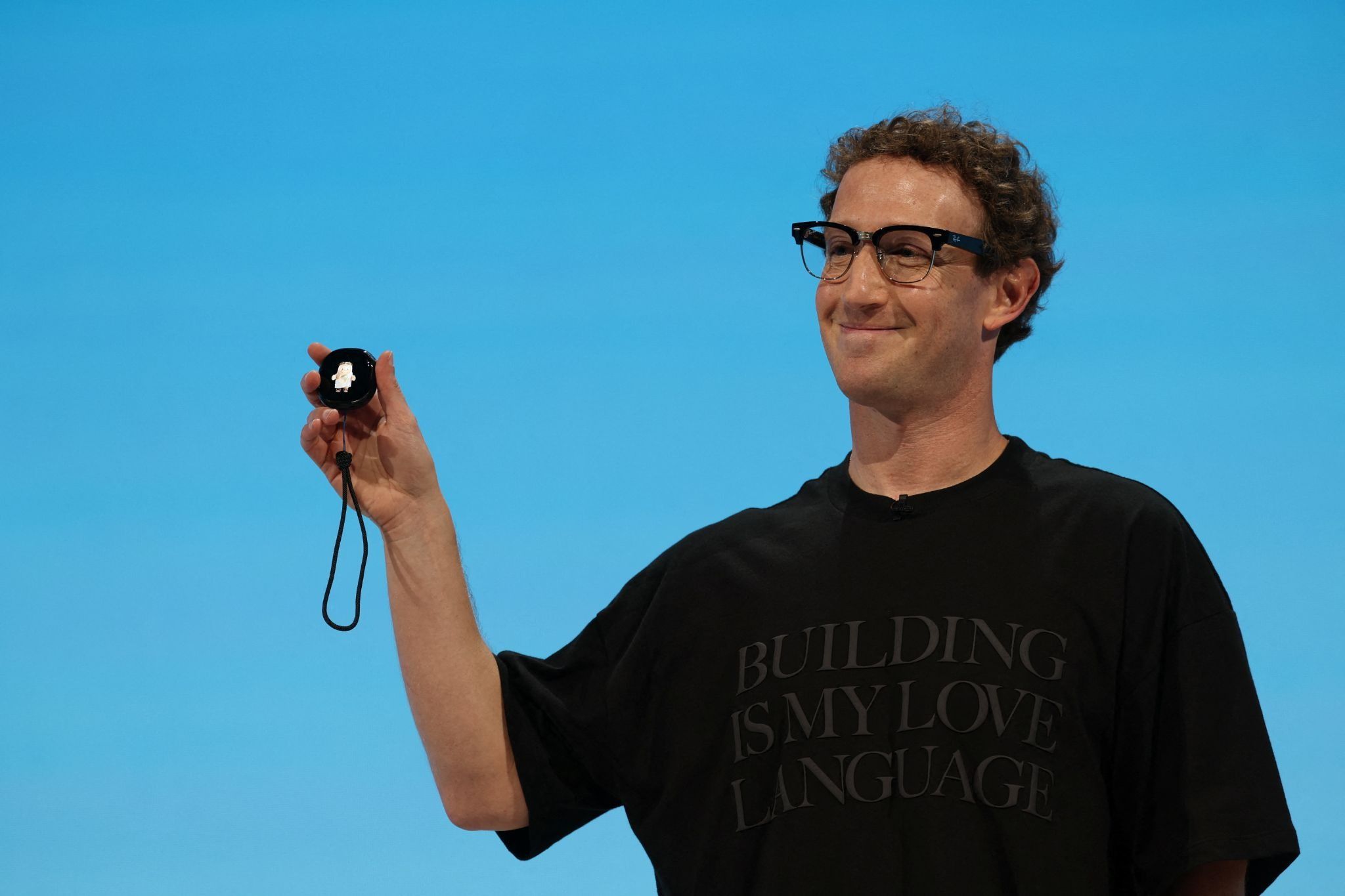
Apple and Meta said they would jointly release a new open-weight AI model designed to run on high-end Macs, ai…
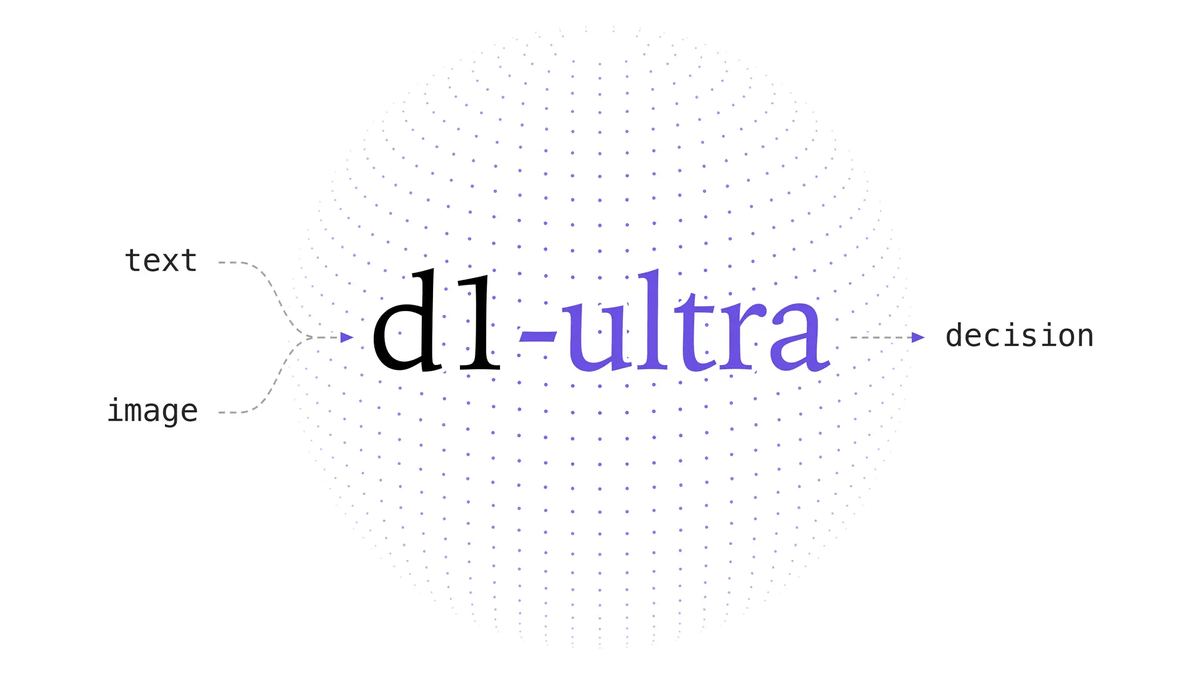
Liquid AI released d1-ultra on October 15, 2026, an upgraded open-weights decision model that averaged 76.7 ac…
NVIDIA released Nemotron 3.5 Super VL, an open-weight model with 120 billion parameters that handles text, ima…

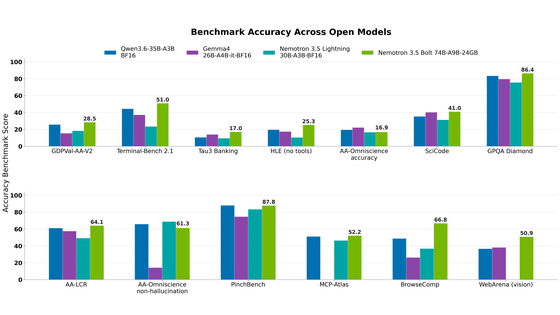
NVIDIA released Nemotron 3.5 Bolt 74B-A9B 24GB, an AI model for local agents that hits over 80 tokens per seco…