What happened
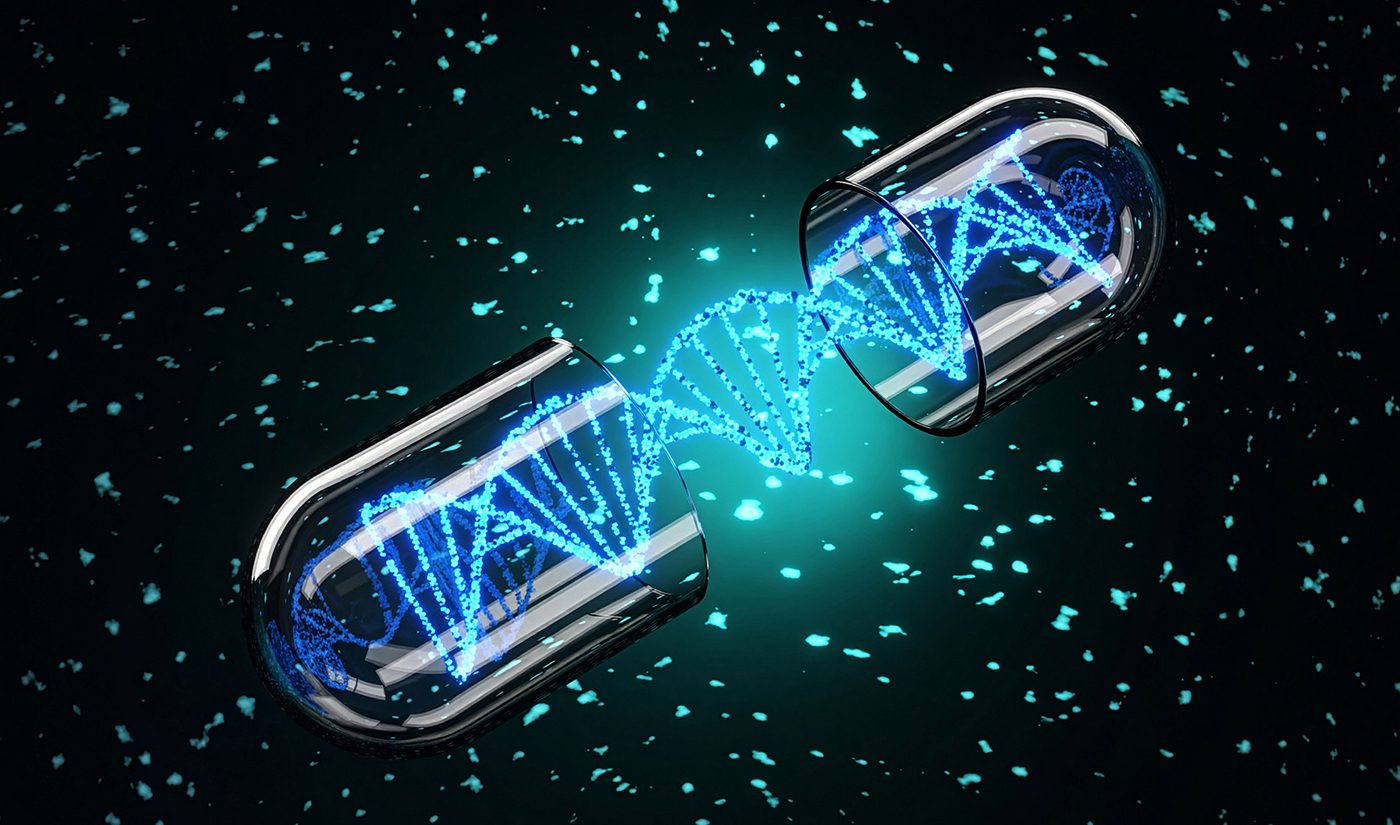
Pharmaceutical companies and investors are pouring billions into AI-driven drug discovery platforms—Isomorphic Labs raised $2.1 billion in May, while partnerships between Genesis Molecular AI and Incyte exceed $1 billion potential value, and Inceptive secured a deal with Alnylam worth up to $2 billion. These investments focus on end-to-end platforms and biological foundation models rather than individual drug assets.
Why it matters
The industry is building general design engines (like Isomorphic's IsoDD platform) that can predict hidden protein binding sites and handle multiple drug modalities—expanding the range of diseases that can be tackled computationally. However, few AI-designed drugs have reached the clinic yet, raising questions about whether valuations are decoupled from clinical proof and depend instead on computational promise alone.
What to watch
Whether AI's generative design capabilities can actually accelerate drug approval timelines and reduce failure rates in clinical trials. One industry observer cautioned that even generatively designed molecules may take another seven years to reach patients, suggesting the most valuable innovation window exists now—before that first FDA approval.
Summaries like this, in your inbox every morning.
The infrastructure moment for AI in drug discovery reflects a fundamental shift in how the industry funds innovation: instead of betting on individual drug candidates with uncertain clinical outcomes, investors and pharma giants are backing end-to-end computational platforms armed with biological foundation models and proprietary datasets. Isomorphic Labs exemplifies this trend—its $2.1 billion raise, led by Thrive Capital and backed by Alphabet, signals confidence that a general design engine applicable across disease areas can reshape R&D pipelines more profitably than traditional single-asset bets. The wave of partnerships from Genesis Molecular AI, Chai Discovery, and Inceptive demonstrates that pharma is willing to embed these workflows directly into their operations, incorporating proprietary data to improve model performance and lock in early-mover advantage.
Yet the investment thesis sits on a paradox: few AI-designed drugs have reached clinical trials, let alone FDA approval. Observers like biotech analyst Andrii Buvailo suggest that investors may be locking in ownership before clinical data resets valuations—or that the valuation cycle has fully decoupled from clinical proof, chasing computational promise on its own terms. This tension frames the current moment as a race: those who invest early and build differentiated capabilities (whether through unique data, faster cycle times, or ability to solve previously intractable problems like neurological disease) may capture the most value before the first generation of AI-designed drugs proves itself in patients. Investors across Obvious Ventures, Foresite Capital, and Dimension are explicitly betting on companies that own business outcomes and address previously unsolvable problems, suggesting they view the window for innovation as open now—before clinical proof arrives and competition consolidates around proven winners.
Pick your industry and the AI tools you use, and get news related to your work every day.
Free · 30 seconds with Google · unsubscribe anytimeWhat is AIToday? →
Ask AI anything about this article. The AI reads this article, earlier AIToday articles, and Wikipedia, and cites its sources. Q&As are published on this page for other readers too.
Chunghwa Telecom president Rong-shy Lin said the shift from conversational AI to autonomous AI agents is resha…
CoreWeave fell 5% in premarket trading Friday and was on track to finish the week down 15%, after rebounding f…
Apple and Meta said they would jointly release a new open-weight AI model designed to run on high-end Macs, ai…
Investors put $38.5 billion into Asian startups in Q3, per Crunchbase data

A longtime Anthropic investor told Fortune he expects shares priced around $1.8 trillion, below the company's…
In Q2, billionaires or their funds sold six 'Magnificent Seven' AI stocks