Microsoft Agent Framework team will showcase multi-agent systems, governance patterns, and production deployment at BUILD 2026 in San Francisco June 2–3, with breakout sessions covering Claw agent patterns, hosted agents architecture, observability, and integration with open-source frameworks.
Sessions include "From prototype to production: build and run agents at scale" (covering lifecycle for production-grade agents with Foundry Agent Service), "Govern open-source AI agents, any framework, any scale" (addressing governance and risk controls), and "Multi-agents in action with 3 AI agents, 3 frameworks, tools & models" (demonstrating deployment across LangGraph, .NET Microsoft Agent Framework, and GitHub Copilot SDK to Azure Container Apps).
Attendees can register online to watch sessions remotely; the SDK is available on GitHub with documentation and Discord community support.
Ask the AI about this article →
For example, today's edition would include:
AI-summarized, only the topics you pick — one digest a day via Email, Slack, or Discord.
Free · takes 30 seconds · unsubscribe anytimeWhat is AIToday? →
Ask AI anything about this article. Q&As are published on this page for other readers too.
Aranya Inc., a startup founded last year, launched today with $11 million in funding

CBTS Technology Solutions LLC launched Forge Agents, a platform that turns a plain-language job description in…

Phonely Ltd. launched Alma, a large language AI model built for voice agents and trained on over 10 million re…

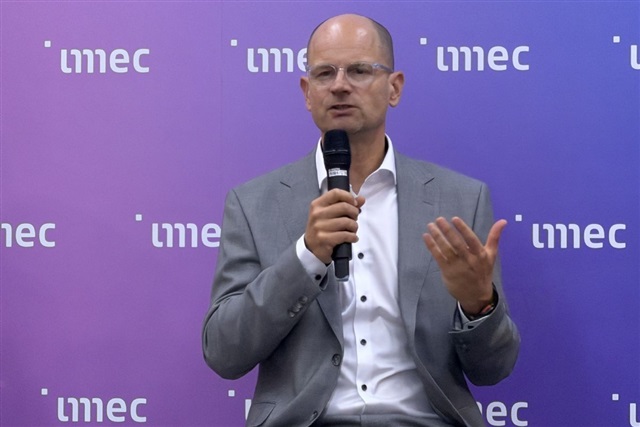
Imec CEO Patrick Vandenameele said at SEMICON Taiwan 2026 that the Belgian research center is broadening its c…
Alphabet's AI Overviews now reach over 2.5 billion monthly users through Google Search, and its ad business ge…
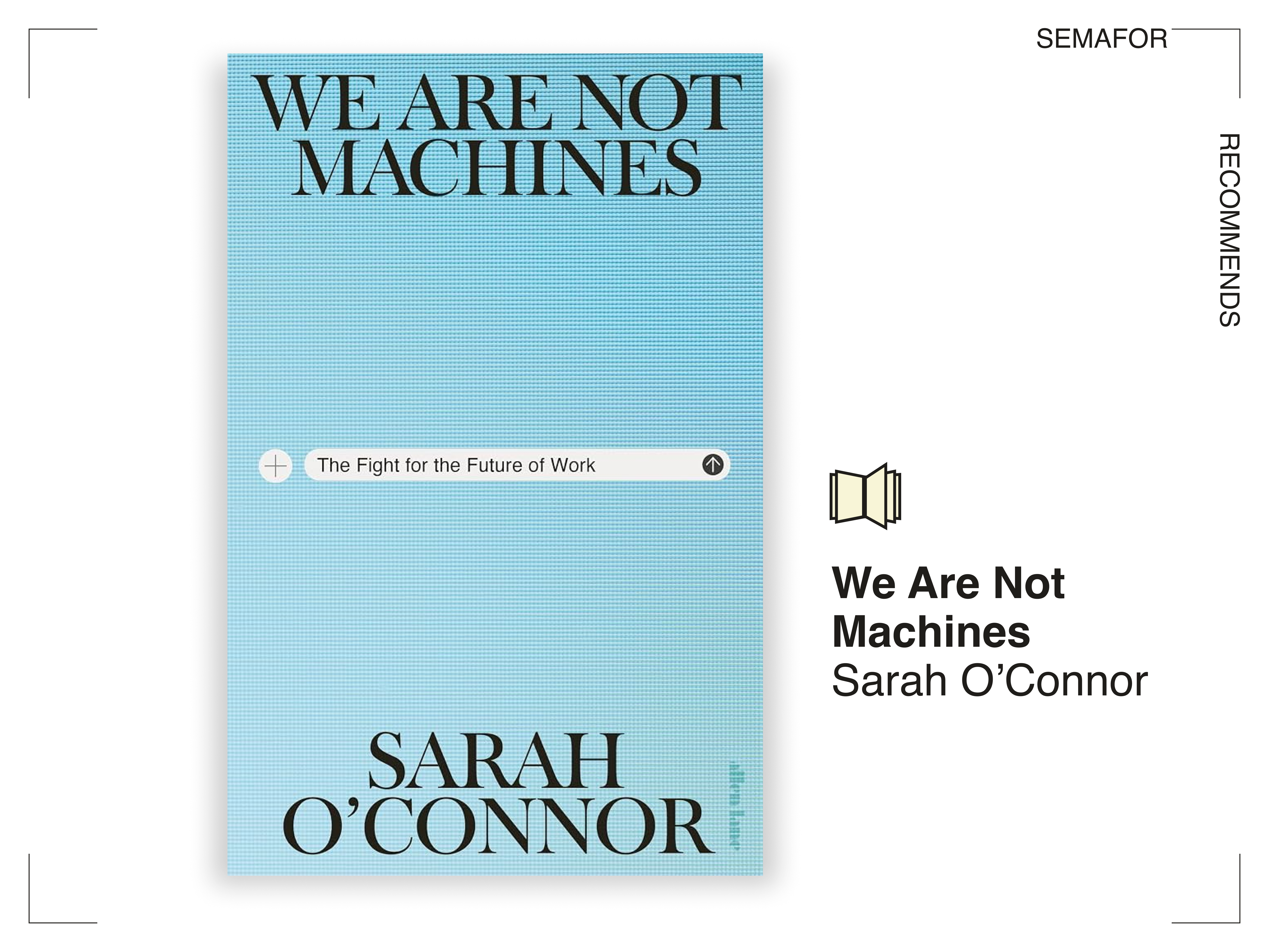
Sarah O’Connor's book 'We Are Not Machines' explores how mechanization and AI have transformed the workforce…