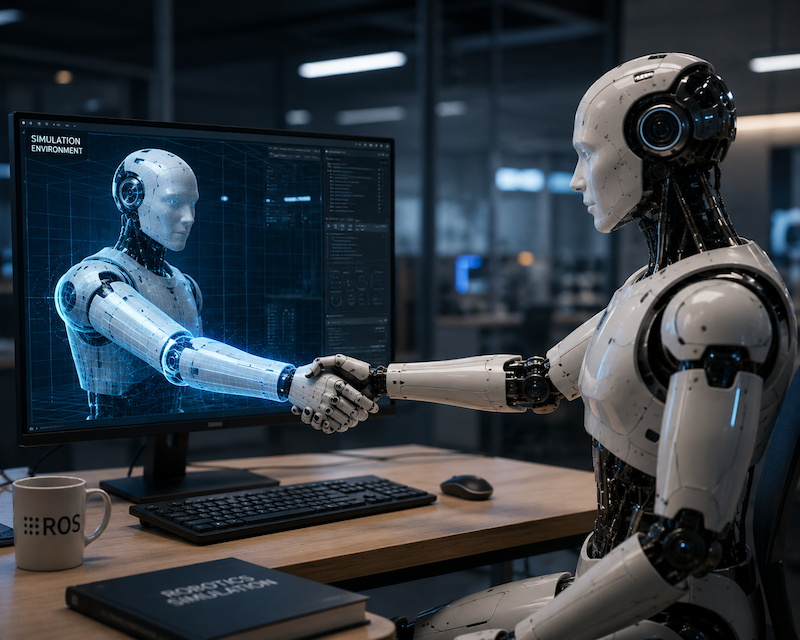
The Robot Operating System (ROS), an open-source framework, emerged in the late 2000s to replace fragmented proprietary robotics software by providing common tools, libraries, and communication mechanisms that enabled developers to share software and collaborate more effectively.
Modern Gazebo evolved from earlier monolithic versions into a modular architecture where individual components such as physics, rendering, sensors, and communications can be developed and upgraded independently, improving scalability and flexibility while aligning with the transition from ROS 1 to ROS 2, which introduces improved reliability, real-time capabilities, enhanced security, and support for large-scale commercial deployments.
Simulation allows robotics developers to test software, validate designs, train AI models, and identify failures before expensive hardware is powered on, enabling engineers to fail quickly and cheaply by discovering problems much earlier in the development process rather than after building a physical prototype.
Autonomous driving systems accumulate far more mileage in simulation than in physical testing, allowing simulated vehicles to encounter rare and dangerous scenarios—unexpected pedestrian behavior, severe weather, unusual traffic patterns, and near-collision events—repeatedly before deployment on public roads.
Summaries like this, in your inbox every morning.
Pick your industry and the AI tools you use, and get news related to your work every day.
Free · 30 seconds with Google · unsubscribe anytimeWhat is AIToday? →
Ask AI anything about this article. The AI reads this article, earlier AIToday articles, and Wikipedia, and cites its sources. Q&As are published on this page for other readers too.
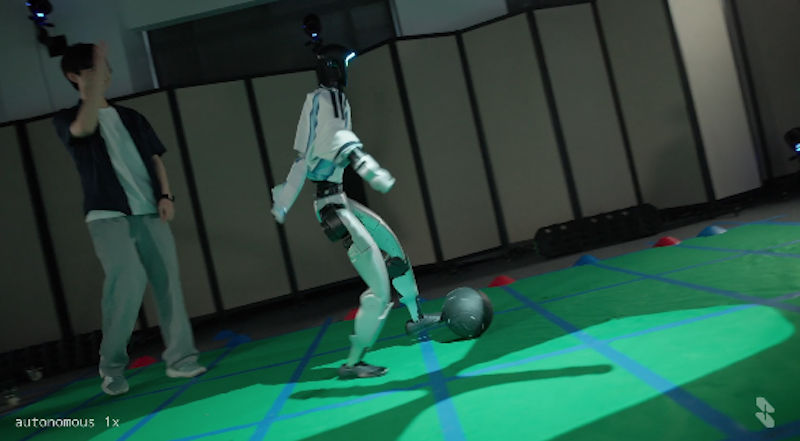
Skild AI used Nvidia Isaac Sim to give its S1 model one objective — score a goal — and let it compete against…
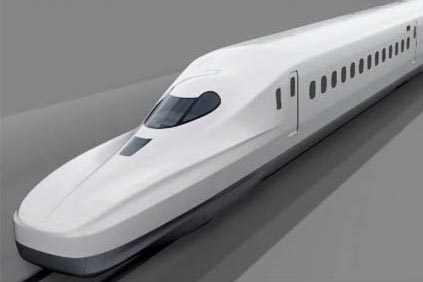
JR Central announced the S0系 on October 16, its first full model change since the N700S, with commercial servi…
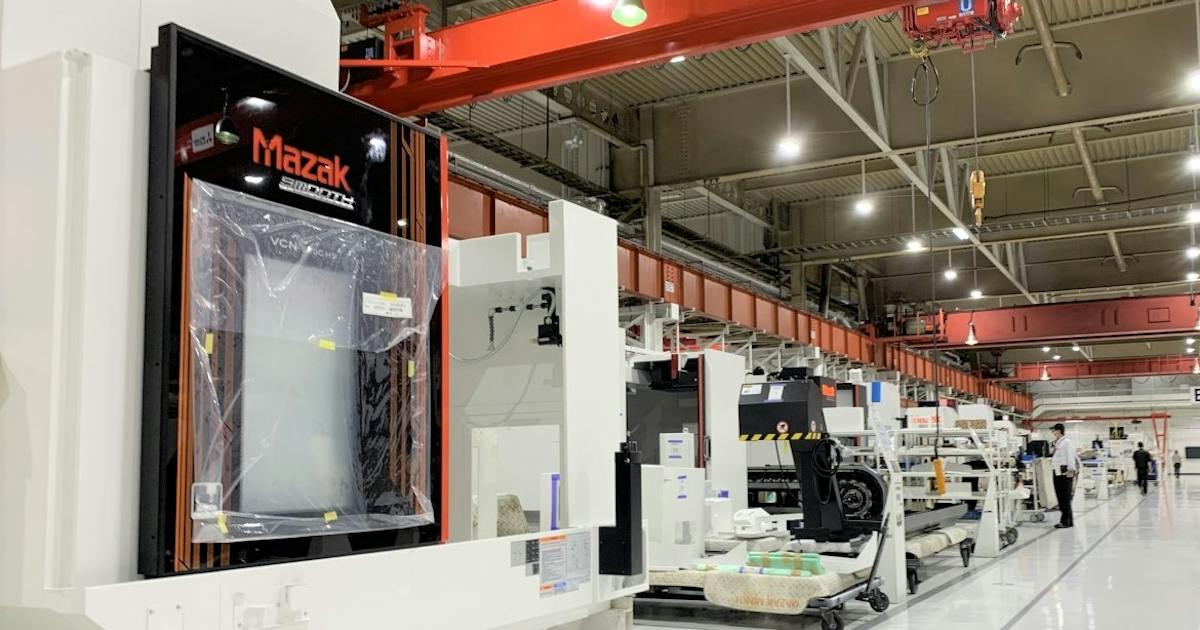
Yamazaki Mazak and ABEJA said on the 16th they will start joint development of physical AI, using ABEJA's ABEJ…
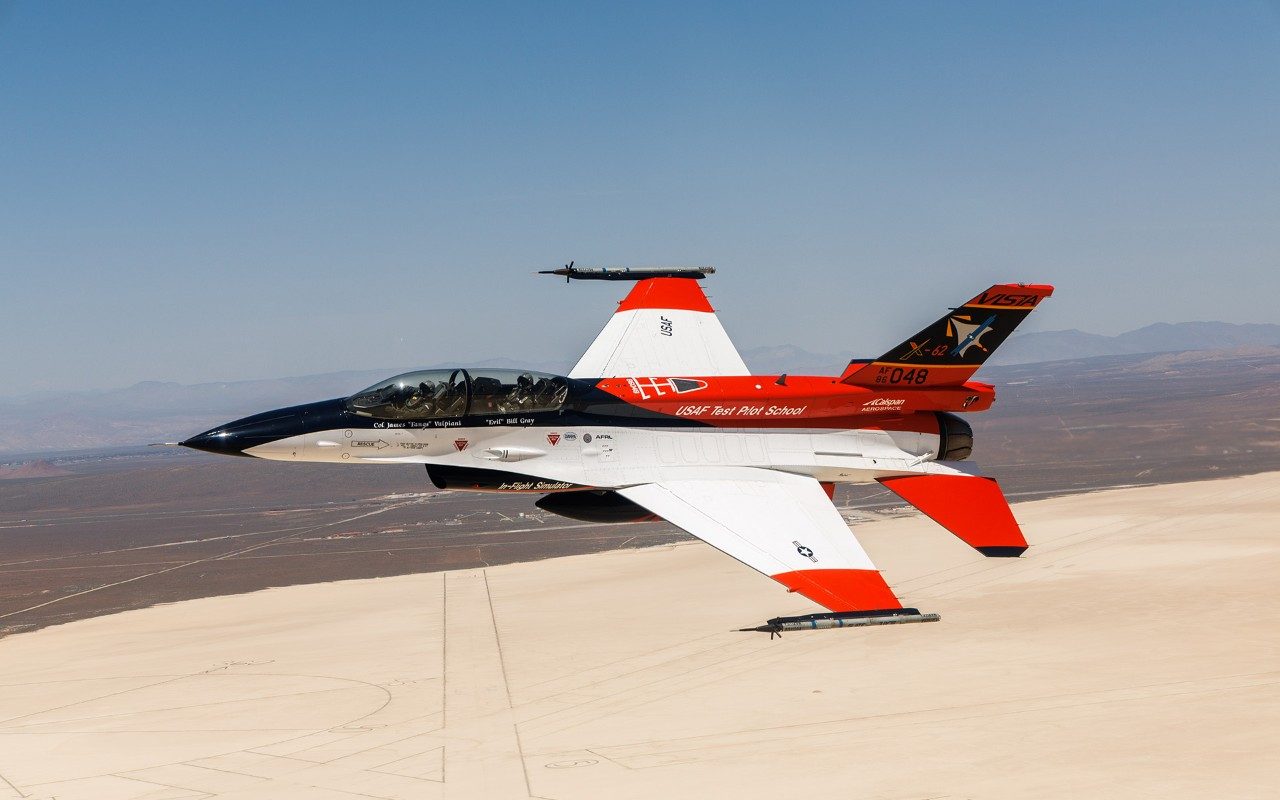
The Air Force upgraded the X-62 VISTA with advanced radar, expanded sensors and computing, and modern network…
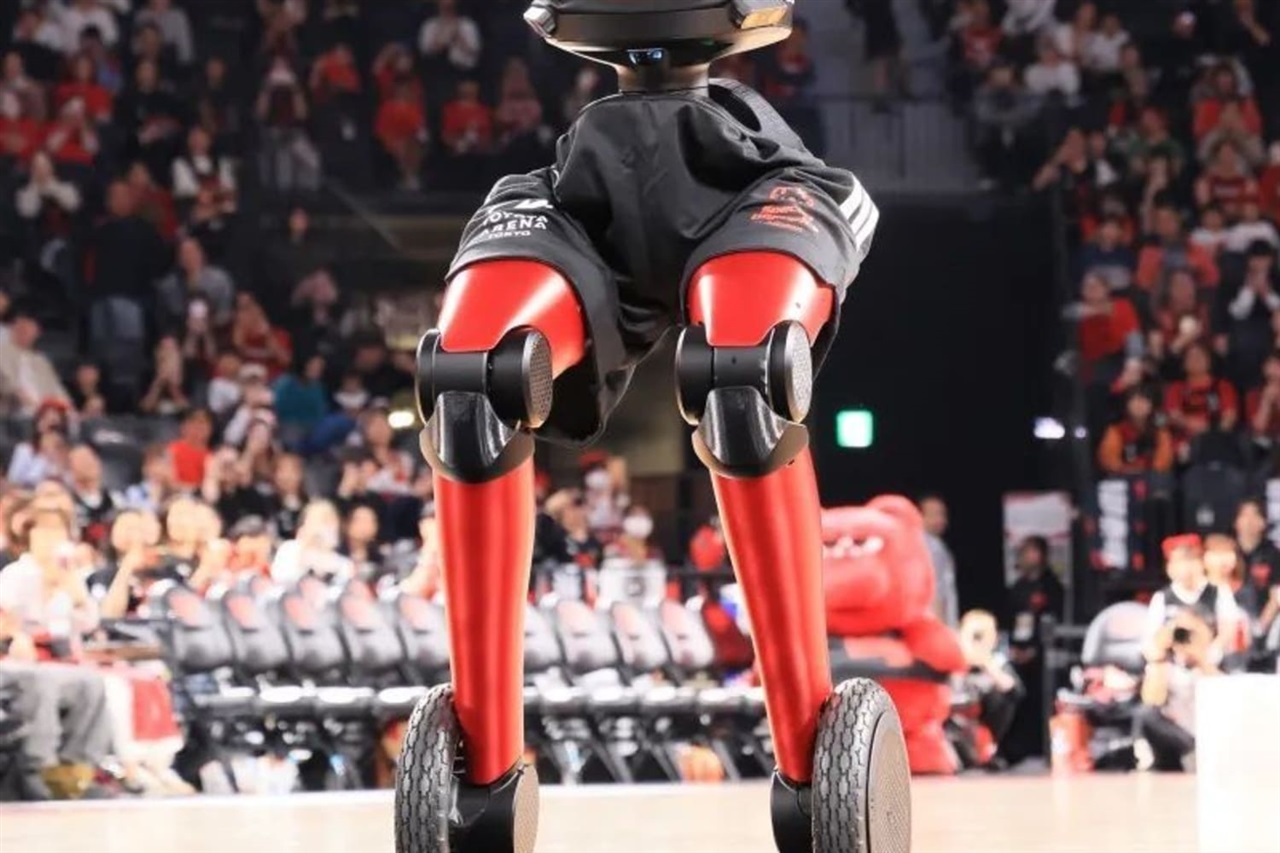
Toyota Motor's Japan Mobility Show Bizweek 2026 booth centers on its AI basketball robot CUE7, has no other ex…
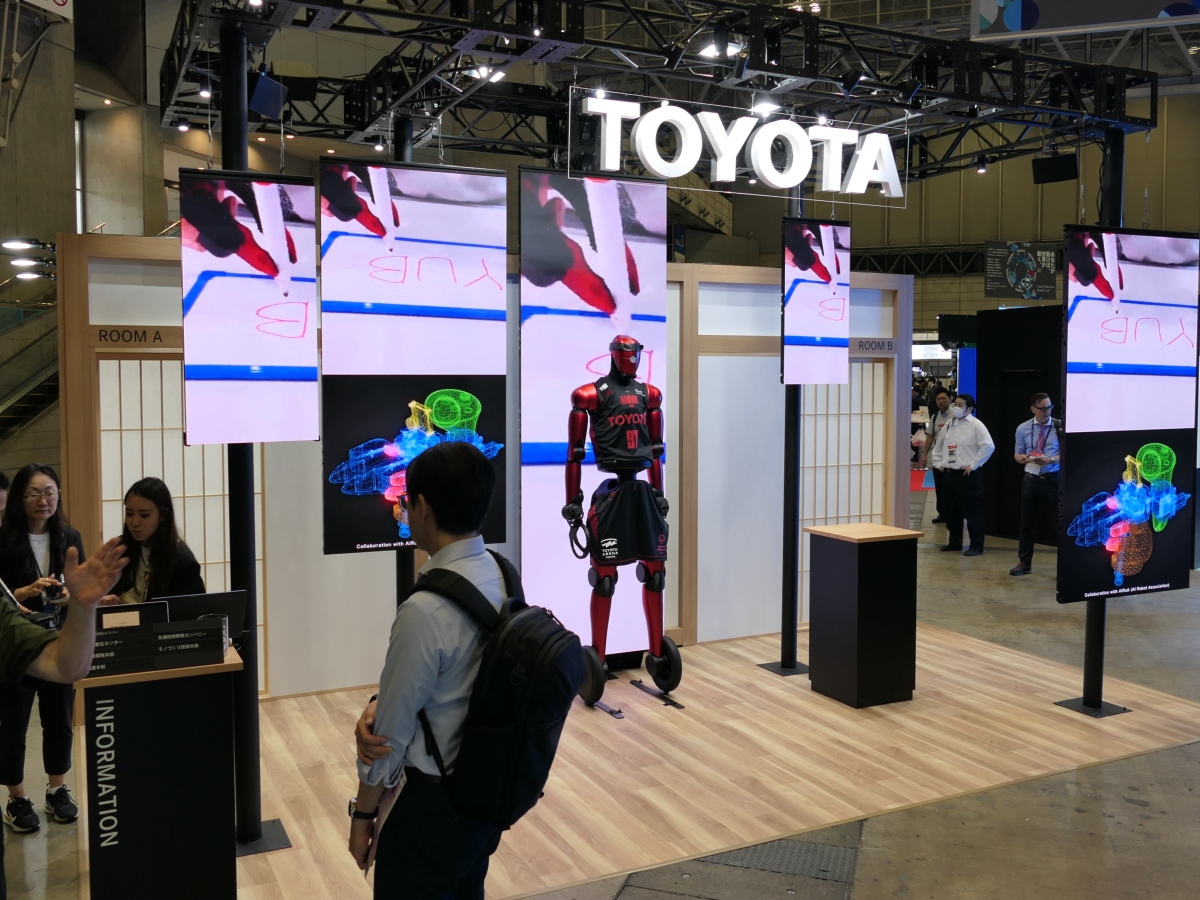
Japan Mobility Show Bizweek 2026 showcased Physical AI applications, including Toyota's basketball-playing rob…