What happened
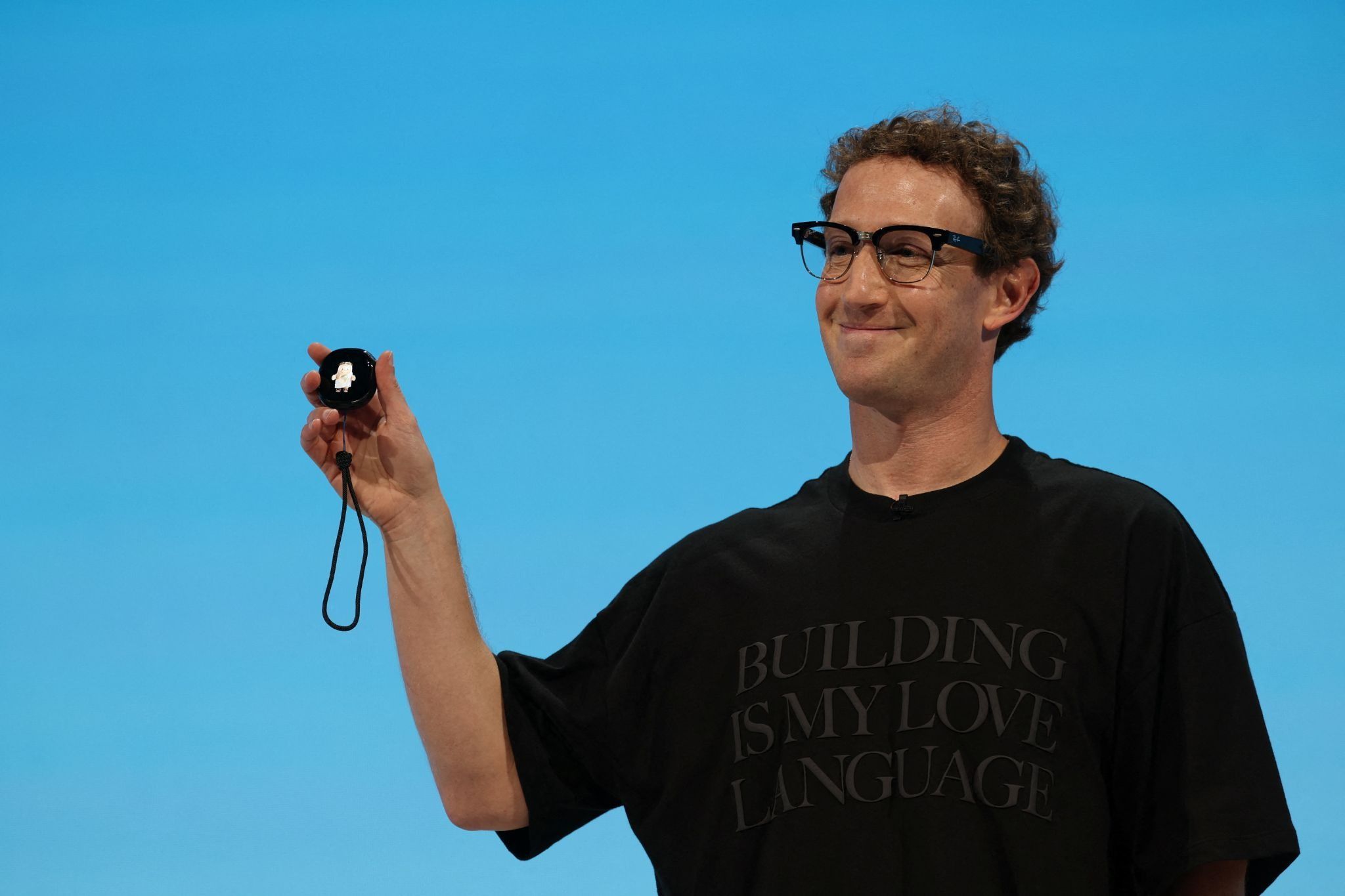
Meta released Glimmer, an open-weight AI model anyone can download and run on their own hardware, alongside a 6,500-word letter from Mark Zuckerberg arguing AI should be "for everyone" rather than controlled by a few labs. Separately, a $250M acquisition between video-clipping startup VideoVerse and sports publisher Minute Media collapsed amid allegedly forged documents, multiple lawsuits, and an unreachable CEO.
Why it matters
Meta's Glimmer release contrasts with its more powerful Muse Spark model, which remains locked behind Meta's own APIs—highlighting tension between the company's public "open" positioning and its proprietary practices. The VideoVerse collapse signals serious governance and trust failures in tech M&A, with forged documents and legal disputes raising questions about due diligence.
What to watch
Meta's framing of AI openness versus its actual control of higher-performance models; Form Energy's $750M raise for 100-hour batteries and other grid-support startups as the industry grapples with AI's energy demands; Joby Aviation's $500M acquisition of a defense contractor and its connection to potential 2028 LA Olympics applications.
Summaries like this, in your inbox every morning.
Meta's release of Glimmer this week arrives alongside CEO Mark Zuckerberg's public call for AI to be "for everyone" rather than controlled by a small number of labs. However, the framing contains what the Equity podcast hosts describe as "asterisks"—the company simultaneously maintains Muse Spark, a more powerful model, behind proprietary APIs, suggesting Meta's openness claim may be more marketing than substance. This tension mirrors broader industry debates about open-source versus closed models and who truly benefits from AI democratization.
In parallel, the $250M VideoVerse–Minute Media deal collapse reveals deeper structural risks in tech acquisitions. The involvement of allegedly forged documents and an absent CEO points to governance failures that should concern investors and board members overseeing such transactions. The incident underscores how rapidly a major deal can unravel when legal and due-diligence processes break down.
Pick your industry and the AI tools you use, and get news related to your work every day.
Free · 30 seconds with Google · unsubscribe anytimeWhat is AIToday? →
Ask AI anything about this article. The AI reads this article, earlier AIToday articles, and Wikipedia, and cites its sources. Q&As are published on this page for other readers too.
Chunghwa Telecom president Rong-shy Lin said the shift from conversational AI to autonomous AI agents is resha…
CoreWeave fell 5% in premarket trading Friday and was on track to finish the week down 15%, after rebounding f…
Apple and Meta said they would jointly release a new open-weight AI model designed to run on high-end Macs, ai…
Investors put $38.5 billion into Asian startups in Q3, per Crunchbase data
A writer and entrepreneur opened his daily to-do list and found 156 items, and concluded that an AI assistant…

A longtime Anthropic investor told Fortune he expects shares priced around $1.8 trillion, below the company's…