What happened
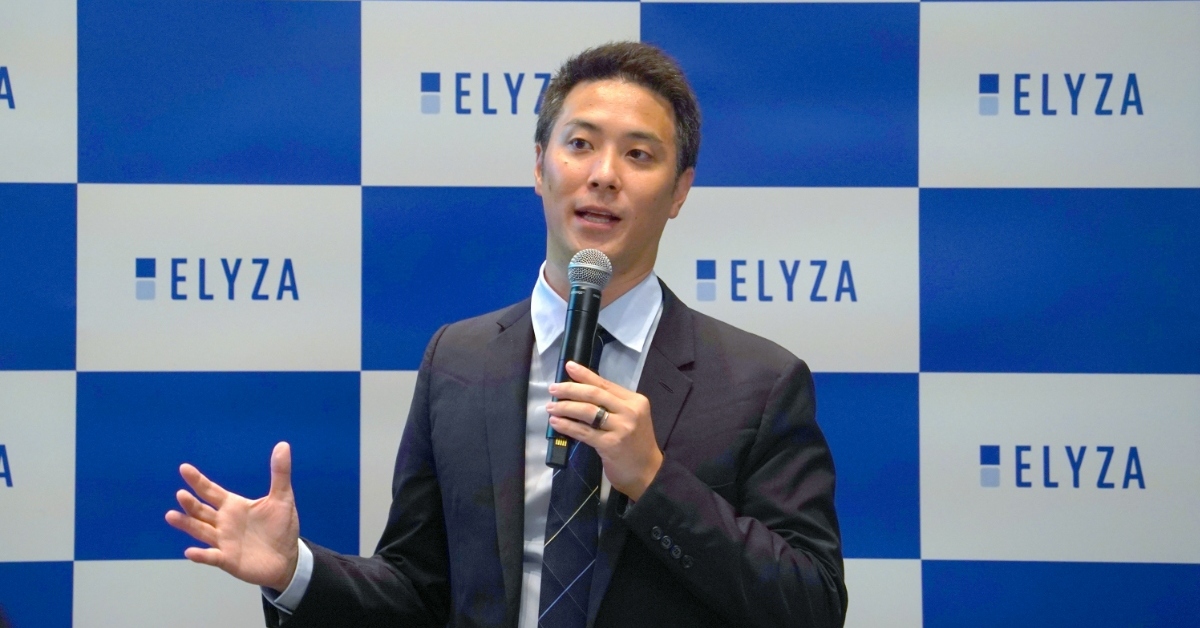
KDDI's ELYZA said on October 2 it set up "ELYZA RSI Research" to study recursive self-improvement, and CEO Yuya Soneoka said RSI work raised inquiry-handling task completion from about 47% to about 61% and cut inference costs by about 67%.
Why it matters
The gains suggest RSI is a practical lever, not just theory.
What to watch
The test is whether these gains scale beyond inquiry handling, where completion rose from about 47% to about 61%. Watch for fresh monthly releases as evidence the RSI loop holds at frontier complexity.
WHO IT HITSJapanese enterprises and public-sector buyers weighing self-hosted AI are the clearest beneficiaries, since ELYZA frames its work as an alternative to foreign frontier AI. R&D leaders planning model refreshes may face shorter replacement cycles, and cost planners get a concrete datapoint: about 67% lower inference cost at similar accuracy, per the company.
Summaries like this, in your inbox every morning.
ELYZA, based in Bunkyo Ward, Tokyo and part of the KDDI group, says it began RSI research before formally establishing ELYZA RSI Research. That earlier work produced the inquiry-handling numbers cited at the October 2 briefing, where CEO Yuya Soneoka framed RSI as the mechanism behind rapid frontier releases. He points to complex tasks, such as AI for Science in drug discovery, chemistry and math, and long multi-step tasks AI completes autonomously, including one case where about 10,000 AI agents worked on an unsolved math problem. Soneoka also says LLM performance on simple tasks like summarization peaked around 2024, leaving little difference between models. Taken together, the company is positioning RSI as a route to an alternative to foreign frontier AI, and the stakes hinge on whether the reported gains hold outside inquiry handling. If they do, ELYZA's results would suggest Japanese developers can compete on efficiency rather than scale, though the evidence so far comes from one task type.
Pick your industry and the AI tools you use, and get news related to your work every day.
Free · 30 seconds with Google · unsubscribe anytimeWhat is AIToday? →
Ask AI anything about this article. The AI reads this article, earlier AIToday articles, and Wikipedia, and cites its sources. Q&As are published on this page for other readers too.
Nittobo is expanding production of its T-Glass glass cloth, a material used in advanced chipmaking, as demand…
On The AI Investor Podcast, co-hosts Eric Bleeker and Austin Smith discussed the future of robotics and how ph…
On a recent episode of The AI Investor Podcast, Eric Bleeker and Austin Smith broke down Google's release of G…

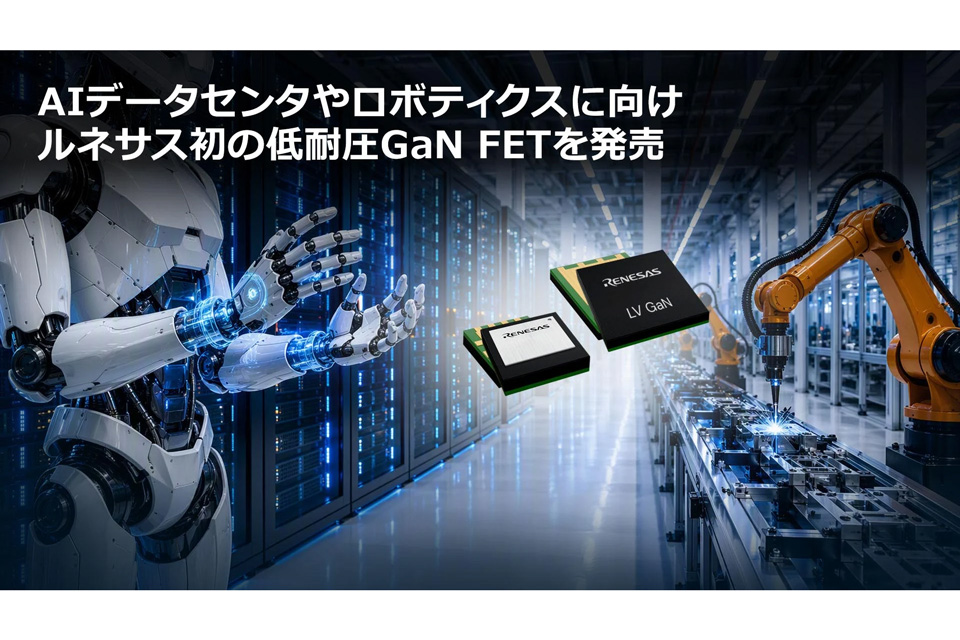
Renesas Electronics released its first 100V enhancement-mode GaN power transistors—the RTP100E005G1FL, RTP100E…
Meta has begun offering parental controls in Meta AI, so parents can review the topics their teens asked about…

OpenAI is adding the textGrain watermark to text from ChatGPT and Codex, applying it to EU outputs over the co…