What happened
Higgsfield, a generative AI platform for creating video, images, and audio, raised $400 million in Series B funding led by DST Global, quadrupling its valuation to $5.4 billion since January.
Why it matters
The company serves more than 30 million users across 238 countries and territories, including 360 of the Fortune 500, signaling strong enterprise demand for AI-powered creative tools. Agentic AI products—autonomous tools that run workflows without constant human direction—have become a major driver, with tool use on the platform jumping 42-fold in three months after Higgsfield's May launch of Supercomputer.
What to watch
Higgsfield's focus on autonomous agents and consistency in character and scene generation may reshape how enterprises approach content creation at scale; the company reported more than 20 million content generations per month following the Supercomputer launch.
Summaries like this, in your inbox every morning.
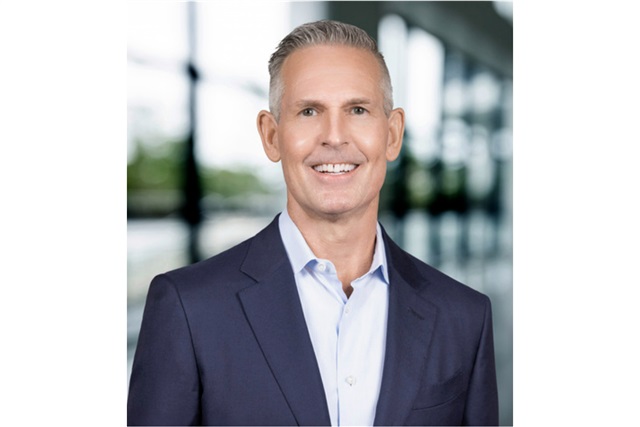
Higgsfield's $400 million Series B at $5.4 billion valuation reflects a broader shift in how enterprises approach AI-driven creative work. The company's rapid scaling—quadrupling valuation since January—is anchored not just in raw user numbers (30 million globally) but in its penetration of high-value customers: 360 of the Fortune 500 across advertising, media, entertainment, fashion, retail, and finance. The company's co-founder and CEO, Alex Mashrabov, frames the opportunity as fundamental: businesses need visual content at scale and quality, and AI is making it faster and cheaper to produce.
The standout metric is the 42-fold increase in agentic tool use following the May launch of Supercomputer, an autonomous product that automates workflows and runs agents without manual triggering. This suggests the market is shifting from on-demand generative tools toward always-running, self-directed AI agents that handle content generation autonomously. The jump to 20+ million monthly generations—up from an unspecified prior baseline—indicates that automation, not just capability, is what customers are adopting. Higgsfield's proprietary models (Soul 2.0 for fashion, character consistency) paired with third-party models like Google's Veo 3.1 suggest a platform strategy: aggregate the best tools and let enterprise customers deploy them at scale.
Pick your industry and the AI tools you use, and get news related to your work every day.
Free · 30 seconds with Google · unsubscribe anytimeWhat is AIToday? →
Ask AI anything about this article. The AI reads this article, earlier AIToday articles, and Wikipedia, and cites its sources. Q&As are published on this page for other readers too.
In Q2, billionaires or their funds sold six 'Magnificent Seven' AI stocks
Nvidia was rising early Friday, even as the wider chip sector kept falling, Barron's reported
ElevenLabs completed a $300 million employee tender at a $22 billion valuation, and co-founder Mati Staniszews…
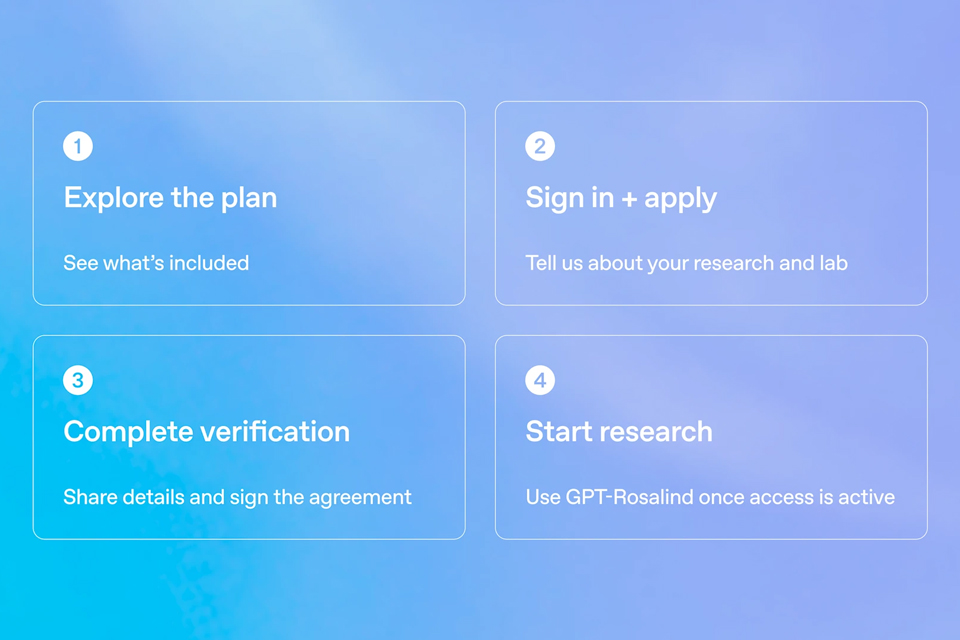
On October 15, OpenAI announced the Rosalind Academic Plan, giving approved US university labs free access to…
Neostellar Capital principal Evan Schlossman said CoreWeave's $103.7 billion in remaining performance obligati…
Supermicro Computer appointed Mark Long as chief financial officer, bringing an experienced technology finance…