What happened
OpenAI signed a 20-year lease with SoftBank subsidiary SB Energy for the "PORTS-Pike" campus in Ohio, providing around 8 gigawatts of IT capacity. Nvidia is guaranteeing up to $105 billion in residual value for the first construction phase (4.25 gigawatts) and investing $1.5 billion in SB Energy in exchange for exclusive chip supplier rights on the first half of the site.
Why it matters
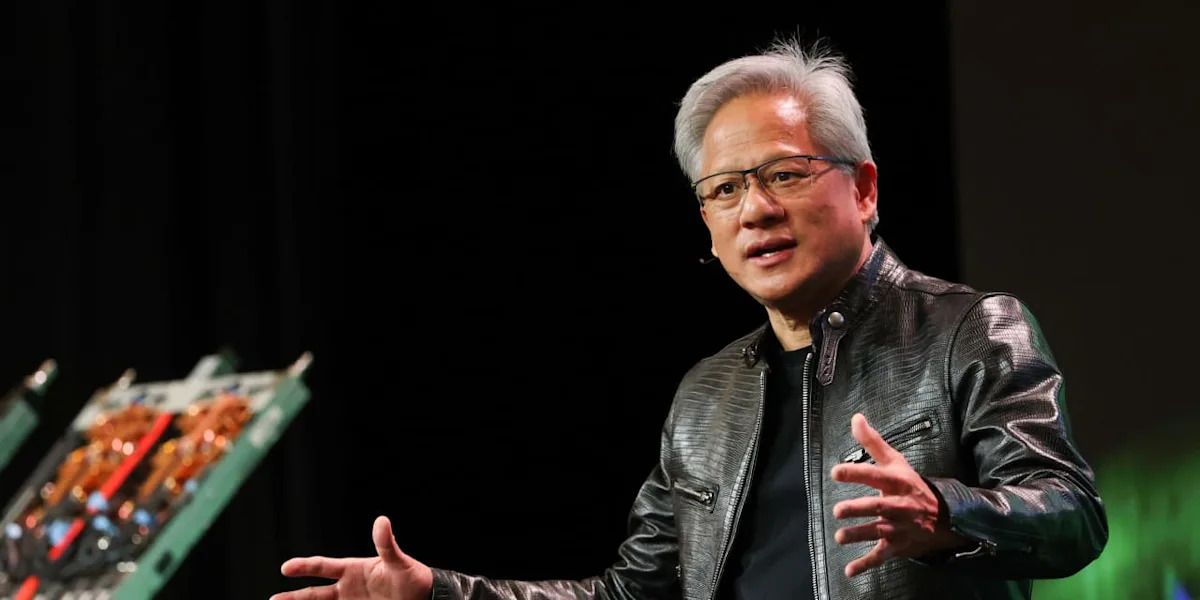
The deal reflects a fundamental shift in AI infrastructure constraints—Nvidia CEO Jensen Huang calls land, power, and physical space ("LPS") the new bottleneck, not chips. A Wall Street Journal analysis found that nine major tech companies (including Alphabet, Meta, Microsoft, and Nvidia) hold around $3 trillion in mostly AI-related obligations that don't appear on balance sheets, making it harder for investors to gauge actual debt levels.
What to watch
The first 800 megawatts are slated to come online in 2028. Huang projects 1.5 million GPUs per system generation worth $150 to $200 billion in revenue; if Nvidia exercises its option on the remaining 3.75 gigawatts in Ohio, the total commitment grows to roughly 16 gigawatts worth roughly $600 billion.
Summaries like this, in your inbox every morning.
The Ohio data center deal signals a critical transition in how AI infrastructure constraints are perceived. For years, the bottleneck in artificial intelligence expansion centered on chip availability and production capacity. Now, as Huang frames it through the "LPS" acronym, the limiting factors have shifted to the physical fundamentals: securing land with sufficient power supply and constructing the buildings themselves. This shift matters because it explains why Nvidia is willing to stake $105 billion on residual asset value rather than on chip sales alone.
The broader context the Wall Street Journal uncovered—that nine tech companies hold $3 trillion in off-balance-sheet AI commitments—underscores how rapidly these infrastructure buildouts have outpaced traditional corporate financing models. Leases and purchase commitments don't appear on balance sheets until payments begin or goods are delivered. This opacity has grown sharply: leases not yet started jumped to $1.2 trillion (four times the prior year), and Alphabet's purchase commitments alone nearly tripled in three months, from $332 billion to $811 billion. For investors accustomed to parsing balance sheets, this hidden debt load makes it harder to assess the true financial health and leverage of major technology firms.
Pick your industry and the AI tools you use, and get news related to your work every day.
Free · 30 seconds with Google · unsubscribe anytimeWhat is AIToday? →
Ask AI anything about this article. The AI reads this article, earlier AIToday articles, and Wikipedia, and cites its sources. Q&As are published on this page for other readers too.
In Q2, billionaires or their funds sold six 'Magnificent Seven' AI stocks

Nvidia was rising early Friday, even as the wider chip sector kept falling, Barron's reported
ElevenLabs completed a $300 million employee tender at a $22 billion valuation, and co-founder Mati Staniszews…

On October 15, OpenAI announced the Rosalind Academic Plan, giving approved US university labs free access to…
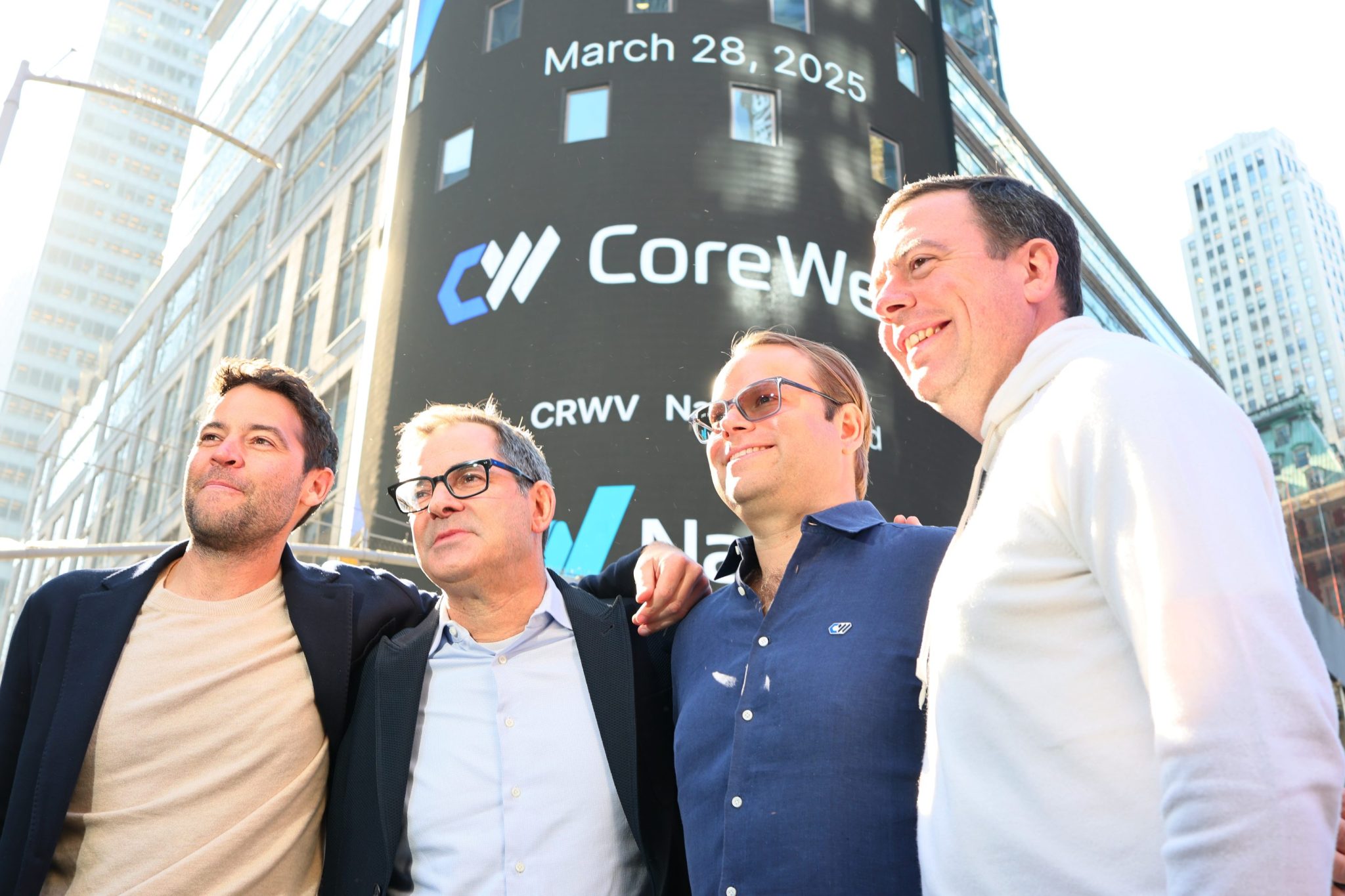
Neostellar Capital principal Evan Schlossman said CoreWeave's $103.7 billion in remaining performance obligati…
Supermicro Computer appointed Mark Long as chief financial officer, bringing an experienced technology finance…