What happened
British pharmaceutical company Stablepharma has successfully trialed vaccines that require no refrigeration for the first time in patients. The technology uses a sugar called trehalose to turn vaccines into powder that can be stored at room temperature and mixed with water before injection. A larger trial is due to begin in the coming months.
Why it matters
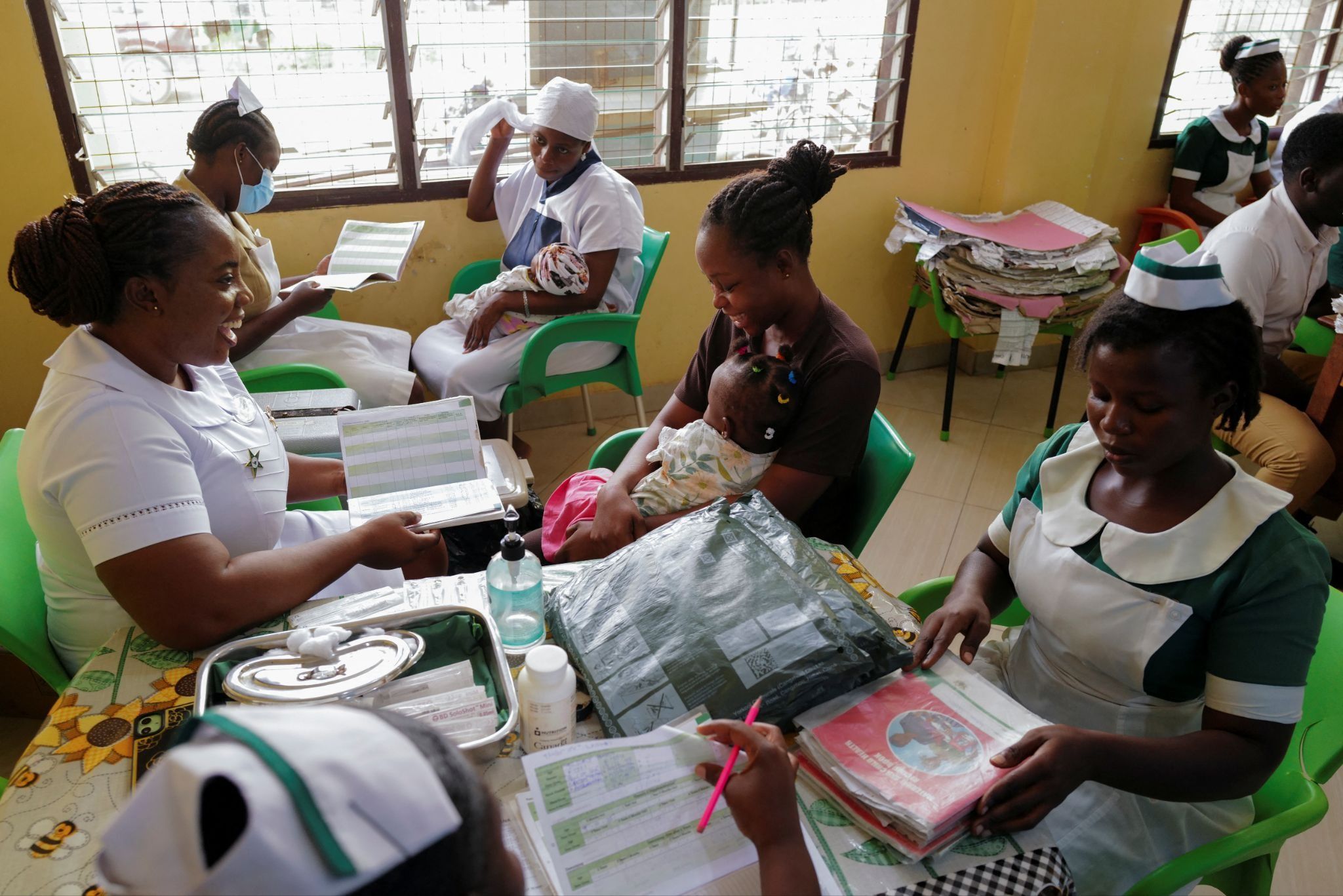
Around half of all vaccines are wasted each year because they become unusable when exposed to temperature swings during production, transport, and delivery—a problem called "cold chain" breakdown. Removing the refrigeration requirement could unlock immunization access in regions where reliable electricity is scarce. One in five children in Africa remains unvaccinated, according to the World Health Organization.
What to watch
The larger trial beginning in the coming months is described as the final research hurdle before potential rollout. Success would clear the path for deployment in settings where maintaining cold storage has been a major barrier to vaccine coverage.
Summaries like this, in your inbox every morning.
Vaccine waste has long been a critical barrier to immunization in low-income regions, particularly Africa. The article identifies that around half of all vaccines are wasted annually, with much of that loss stemming from breaks in the "cold chain"—the requirement to maintain precise temperatures from manufacturing through patient injection. In Africa specifically, one in five children remain unvaccinated, a gap that reflects not just access to vaccines themselves but the infrastructure cost of maintaining cold storage across supply chains that span vast distances with limited electricity. Stablepharma's trehalose-powder approach directly addresses this bottleneck by eliminating the need for refrigeration altogether, moving the temperature-stability problem from logistics to chemistry. The successful first-in-patient trial is significant because it proves the concept works in real conditions, not merely in the laboratory. The coming larger trial represents the final regulatory and safety validation step before potential rollout, suggesting the path to deployment is now concrete rather than theoretical.
For example, today's edition would include:
AI-summarized, only the topics you pick: one digest a day via Email, LINE, or Slack.
Free · 30 seconds with Google · unsubscribe anytimeWhat is AIToday? →
Ask AI anything about this article. The AI reads this article, earlier AIToday articles, and Wikipedia, and cites its sources. Q&As are published on this page for other readers too.

