What happened
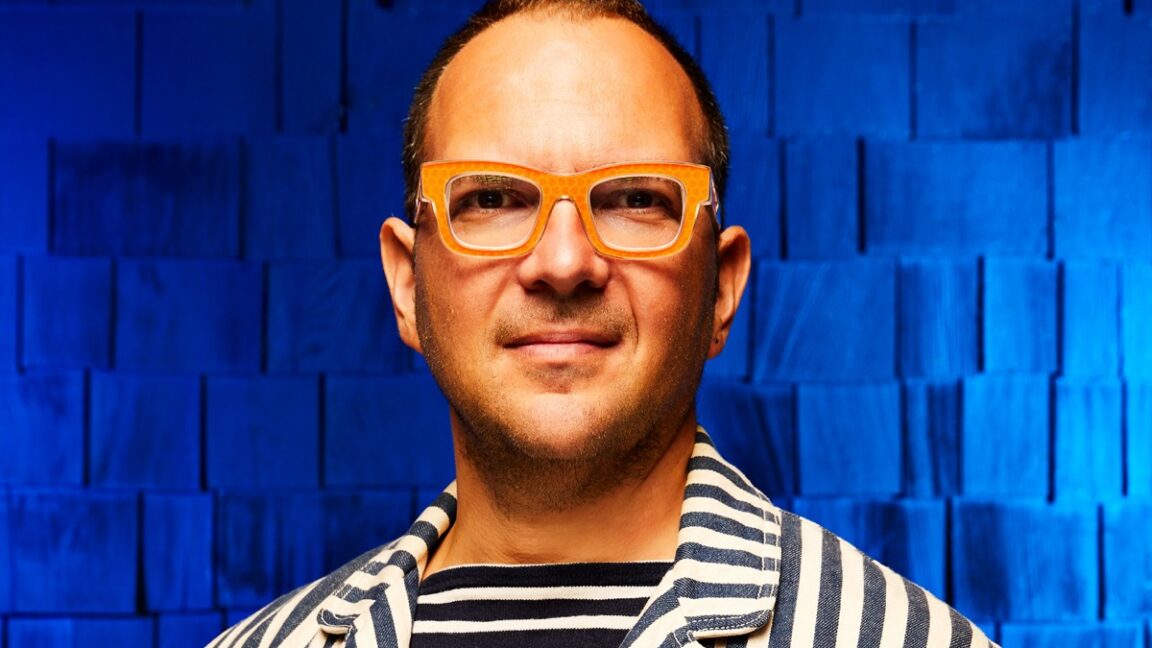
Tech journalist and author Cory Doctorow released a new book, *The Reverse Centaur's Guide to Life After AI*, arguing that AI hype masks a fundamentally broken economic model. He describes the "reverse centaur"—a person reduced to serving as a subordinate appendage to a machine—as the outcome the industry is actually building toward, despite marketing narratives about AI as a helpful tool.
Why it matters
Doctorow argues that major tech firms are chasing AI not because it solves real problems cheaply, but because they need to maintain the appearance of growth to justify high stock valuations. Seven AI companies currently account for more than a third of the stock market, and most of the capital being poured into AI—now $1.4 trillion(約220兆円) globally in capital expenditure—flows into models that lose billions of dollars every year. When the investment mania stops, most models will disappear because they won't be economical to operate.
What to watch
Doctorow characterizes the AI bubble as much larger and more entrenched than previous tech bubbles. He compares AI to "asbestos in the walls of our technological society," suggesting the consequences of the collapse will take "a generation or more" to fully excavate. His core concern is that the gap between AI's actual economic viability and the narrative driving investment is unsustainable.
Summaries like this, in your inbox every morning.
Pick your industry and the AI tools you use, and get news related to your work every day.
Free · 30 seconds with Google · unsubscribe anytimeWhat is AIToday? →
Ask AI anything about this article. The AI reads this article, earlier AIToday articles, and Wikipedia, and cites its sources. Q&As are published on this page for other readers too.
AI-related stocks faced heavy selling pressure on concerns over capital expenditure levels and slowing revenue…

A Seeking Alpha analyst published a piece titled "GE Vernova: AI's Next Bottleneck Is Electricity," arguing th…

Interactive Brokers reported Q3 2026 earnings of $0.67 per share, in line with the Zacks Consensus Estimate, w…

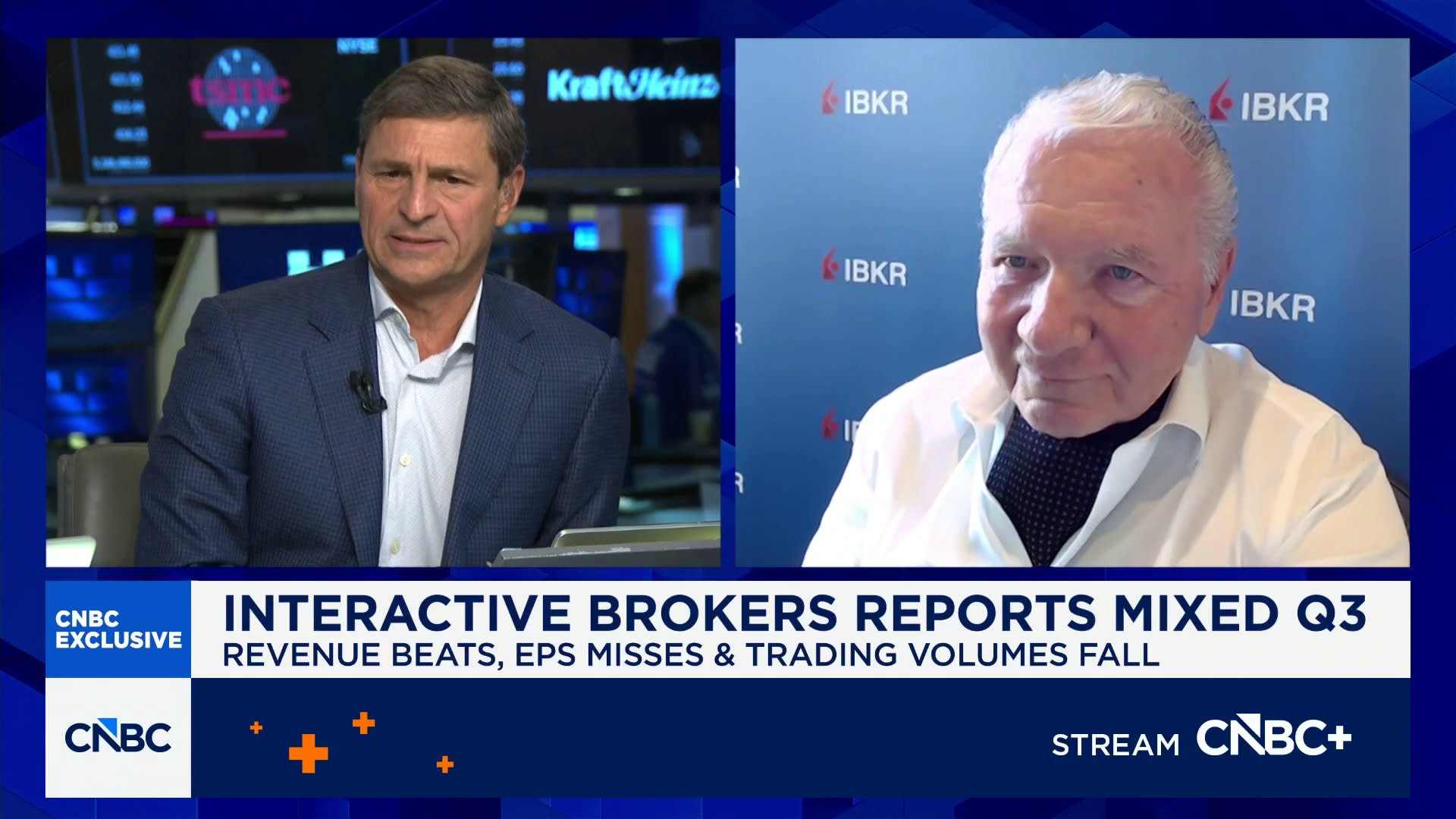
Interactive Brokers Chairman and Founder Thomas Peterffy appeared on CNBC's "Squawk on the Street" to discuss…
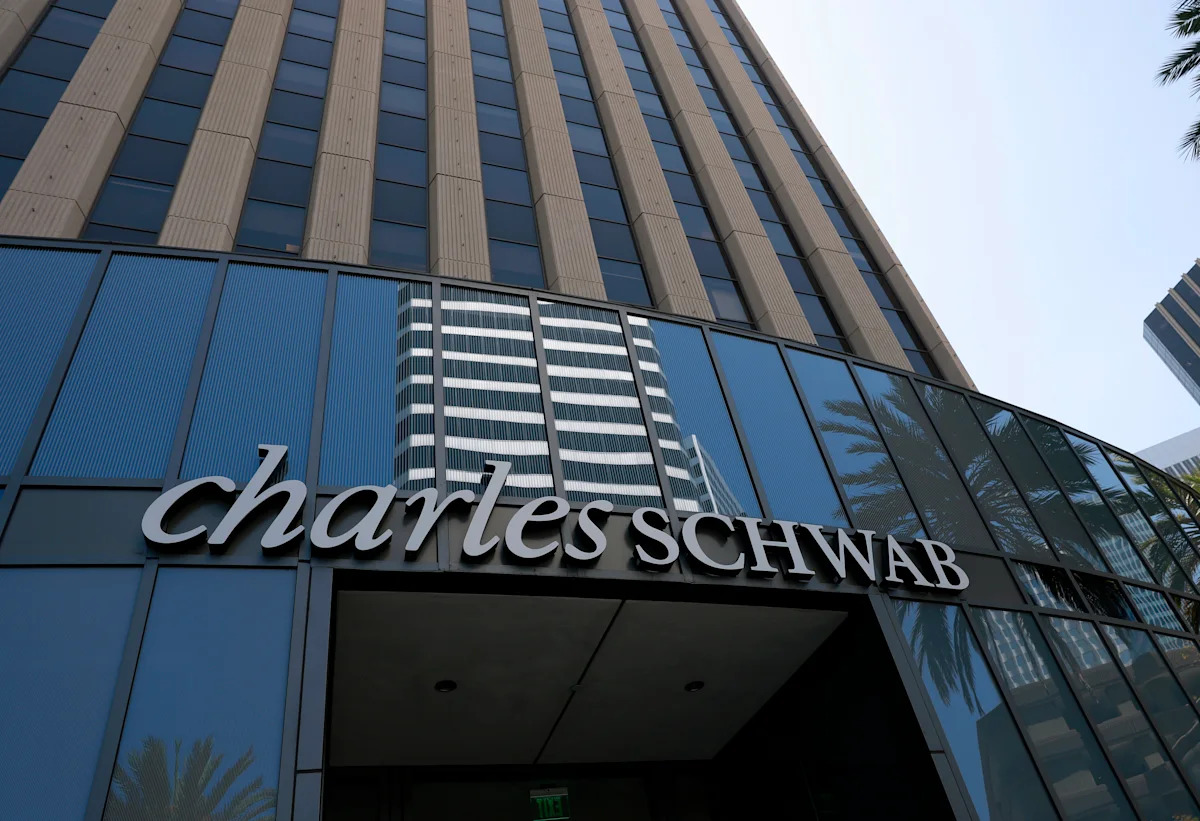
Charles Schwab CEO Rick Wurster said an AI agent should trade for you only if you set the rules and oversee th…
Marusan Securities kept its "Buy" rating on TOWA (6315.JP) and raised its price target to 4,200 yen from 3,400…