
What happened
Intel announced the 2026 winners of its AI Global Impact Festival, with six global awards going to student projects including FluentifyAI (Japan), PlagueBot VR (Mexico) and GazeCode (South Korea).
Why it matters
The winning projects show students applying AI to accessibility, agriculture and wildfire detection, signaling a shift in AI education from how AI works to how it is responsibly applied.
WHO IT HITSEducators and students evaluating AI skills programs can point to these six global award-winning projects as concrete examples of applied AI, while Intel uses the festival to showcase its Digital Readiness Programs reaching more than 10 million people.
Summaries like this, every morning.
Intel's AI Global Impact Festival returns with a distinct emphasis on local, privacy-preserving AI. The 18-and-over global winners include FluentifyAI from Japan, which analyzes pronunciation offline to give bilingual feedback while keeping voice data private. PlagueBot VR from Mexico pairs an Intel RealSense depth camera with OpenVINO-optimized edge vision and a virtual-reality digital twin for greenhouse pest management. MycoGuard from Singapore runs on an Intel Core Ultra AI PC with smart sensors and a robotic arm to cultivate mushrooms from repurposed cardboard waste.
In the 13-to-17 age group, Revoce from the United States offers an offline, context-aware communication board, and GazeCode from South Korea uses standard webcams and OpenVINO gaze estimation to help ALS patients communicate without specialized infrared hardware. Firework from Thailand combines ground-based IoT sensors and AI camera detection to turn fire-risk data into straightforward alerts for local responders.
Beyond the six global winners, Intel recognized country and territory projects such as ScamTriage from Canada, SmogSense from Kenya, Green Vision AI from India and Project Lifeline from Vietnam. Intel frames this as a shift in AI education toward responsible application, and says its Digital Readiness Programs have reached more than 10 million people through collaborations with 30 national governments and 29,000 institutions.
Pick your industry and the AI tools you use, and get news related to your work every day.
Free · 30 seconds with Google · unsubscribe anytimeWhat is AIToday? →
Ask AI anything about this article. The AI reads this article, earlier AIToday articles, and Wikipedia, and cites its sources. Q&As are published on this page for other readers too.
Berkshire's $363 billion stock portfolio now holds nearly $112 billion in AI-linked companies, about 31%, unde…

Applied Materials, which supplies wafer fabrication equipment to Micron and to Nvidia's manufacturing partner…

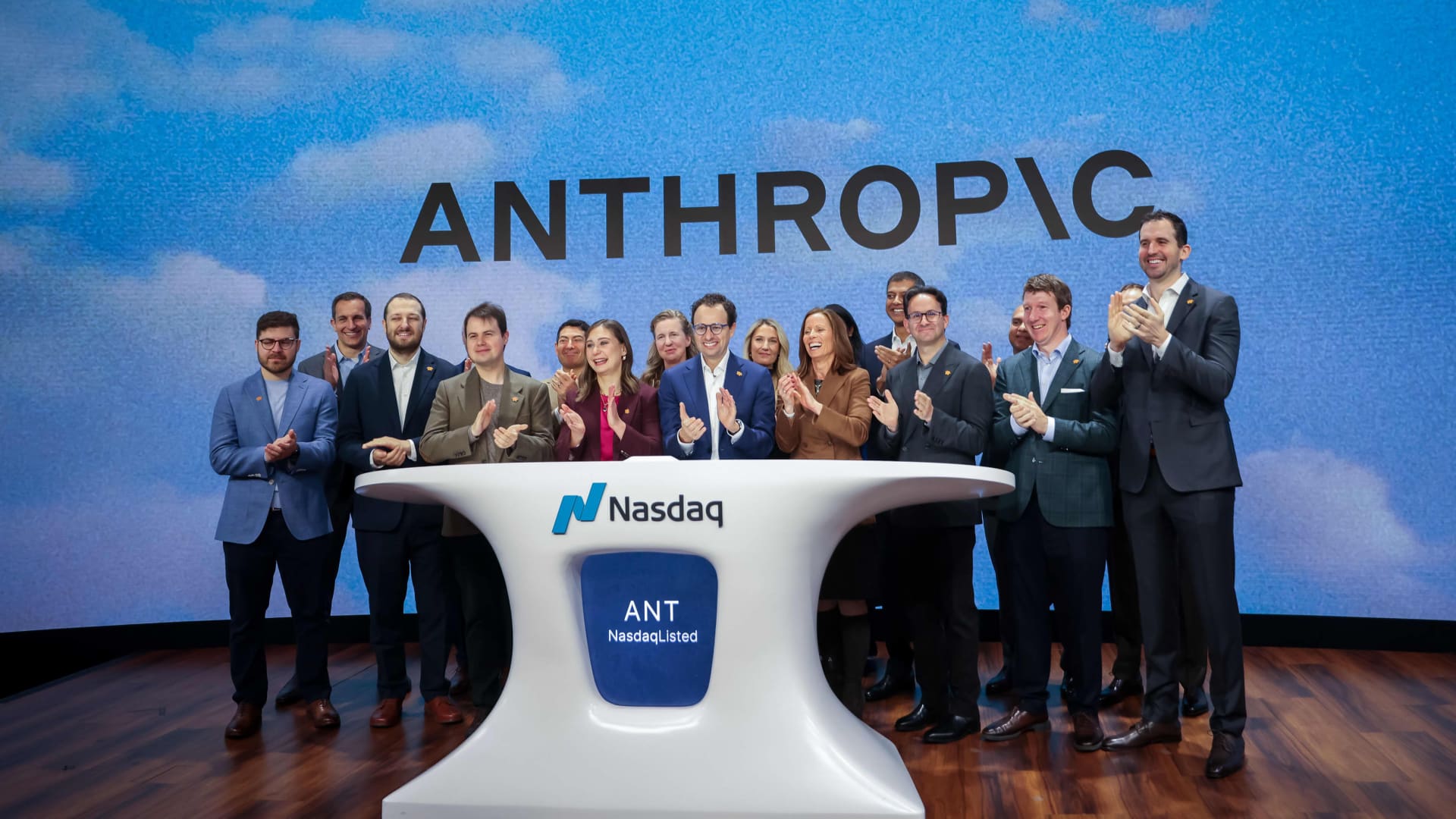
Anthropic shares fell 8.5% to close at $97.17 on Friday, down from the $111.50 opening price after the company…
Home Depot says its Magic Apron AI assistant now fields millions of questions per month and is trained on prod…

Berkshire Hathaway has been a popular 'anti-AI trade,' but one firm now says it is too expensive, CNBC reports
Meta is offering 25% off Ray-Ban Meta (Gen 2) and Oakley Meta HSTN, and 15% off select Meta Glasses and Oakley…