
What happened
Lam Research posted a fifth straight record revenue quarter at $8.2 billion, up 54% year over year, while ASML, the only maker of extreme ultraviolet lithography systems, says demand will outpace its supply through at least 2028.
Why it matters
Both companies sell the equipment chipmakers need, so their record results and tight supply suggest they can profit no matter which chip designer leads.
Summaries like this, every morning.
Nvidia's CEO Jensen Huang resigned on Nov. 12, throwing the AI chip leadership into question. But rather than trying to guess the next winner among chip designers, the author points to the companies that supply the factories where every chip is made. Global chip sales rose nearly 26% to $791 billion in 2025, and industry group WSTS expects about $1.5 trillion in 2026 and $1.9 trillion in 2027, which implies a lot more factory equipment will be needed.
Lam Research makes tools that etch and deposit layers on a chip, and its September quarter was its fifth straight quarter of record revenue at $8.2 billion, up 54% from a year earlier. Its adjusted operating margin topped 40% for the first time. Management credits new products, manufacturing closer to customers' factories, and pricing for its record margins. Lam expects industry spending on chipmaking equipment to top $200 billion in 2027, up from the mid-$150 billion range this year, and its CFO Doug Bettinger said Lam sees 10 new tier I fabs coming online next year. Analysts expect Lam's adjusted earnings per share to nearly triple from fiscal 2026 to fiscal 2029, reaching $14.54, yet the stock trades at a forward price-to-earnings multiple of 22 based on this fiscal year's estimate.
ASML is the world's only maker of extreme ultraviolet lithography systems, which use a special kind of light to print the tiniest circuit patterns. Demand is outpacing what it can build: leading chipmakers have told ASML that demand for their products will outpace supply through at least 2028, and CEO Christophe Fouquet said customers are accelerating capacity build-out plans. ASML now expects its planned output for both 2027 and 2028 won't fully meet customer demand, so it's considering raising 2028 capacity by at least 30%, and some customers are already expressing interest in orders for 2029 and even 2030. Third-quarter sales and gross margin were both records, and management expects full-year 2026 sales to grow about 36%. The stock trades at about 22 times next year's estimates, which looks attractive against analysts' estimates calling for earnings to grow at an annualized growth rate of 45% over the next three years.
Semiconductors are a cyclical business, and if AI spending slows or new factories are delayed, tool orders could drop. Supply shortages are another headwind: Lam said its December-quarter outlook would have been higher if not for near-term supply chain constraints. Still, the growing demand for AI chips will require more factories, and those factories will need machines from Lam and ASML, which is why the author believes both stocks can deliver market-beating returns without picking winners and losers among chip designers.
Pick your industry and the AI tools you use, and get news related to your work every day.
Free · 30 seconds with Google · unsubscribe anytimeWhat is AIToday? →
Ask AI anything about this article. The AI reads this article, earlier AIToday articles, and Wikipedia, and cites its sources. Q&As are published on this page for other readers too.
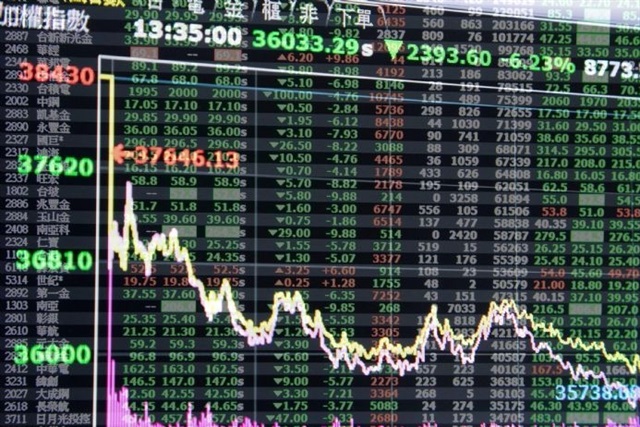
A sharp sell-off in the Philadelphia Semiconductor Index and shares of major global technology companies wiped…
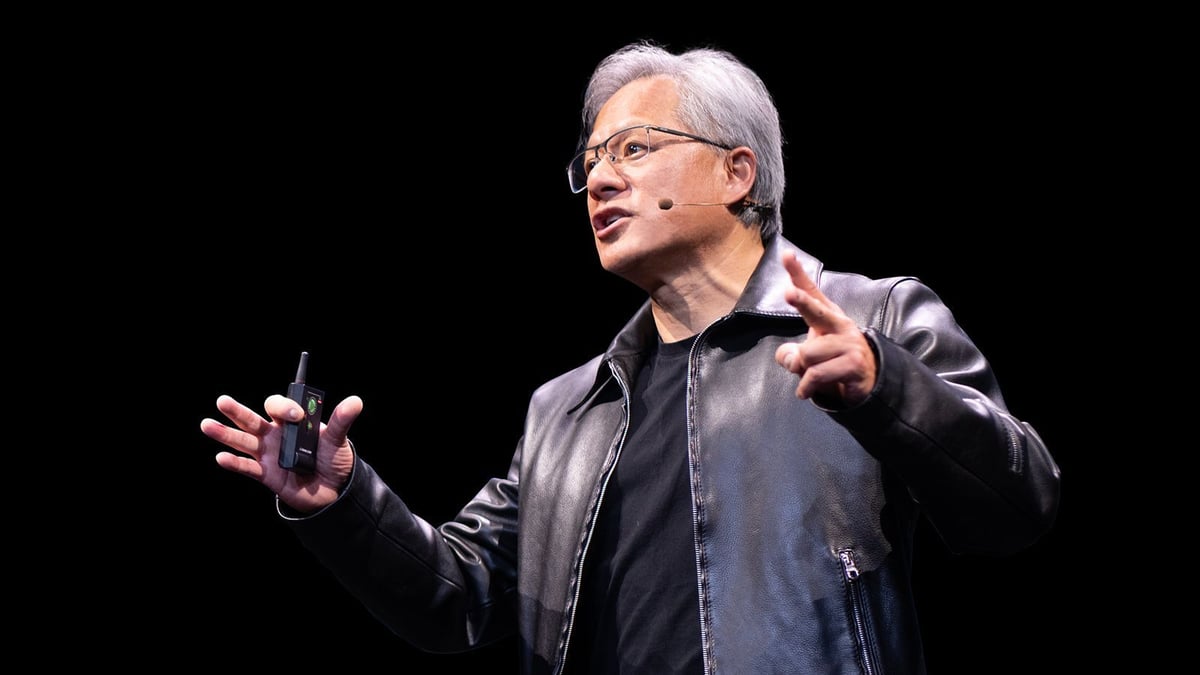
Nvidia reported third-quarter revenue up over 100% year over year to $116 billion, with data center chips at $…
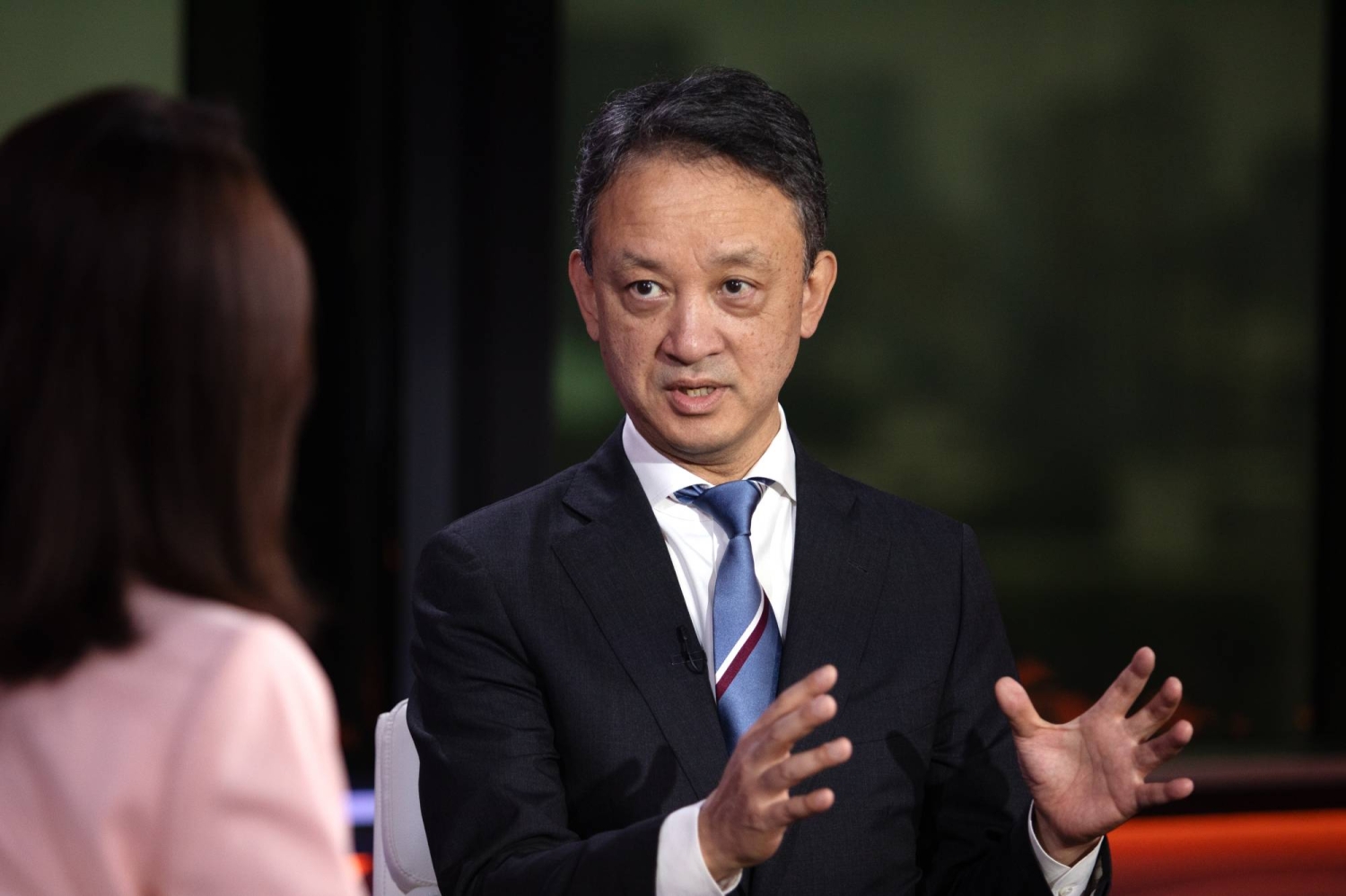
Jera CEO and Chairman Yukio Kani said AI is creating new electricity consumption, requiring "a lot of cash" fo…
Hugging Face froze Qwen3.8-27B and trained adapter weights inside agent harnesses; the adapter model hit 55% t…

On November 20, Vikas Kansal announced up to 50% off Google AI Plus and annual Google AI Pro for current AI pl…

OpenAI launched GPT-6.2 Astra and GPT-6.2 Sol on November 17, 2026, both with 1,050,000-token context; on Cogn…