What happened
During Meta's Q2 2026 earnings call on Wednesday, CEO Mark Zuckerberg previewed the company's vision for personal AI agents that can work "24/7 on your behalf" to help users with goals across health, relationships, finances, and other areas. Zuckerberg emphasized that unlike coding agents used by engineers, Meta's agents must be consumer products that "just works out of the box" and are "easy enough for billions of people to adopt and use."
Why it matters
Meta is betting personal agents will be "the foundation for our next wave of products and revenue lines in the months and years ahead." The company already operates business agents on WhatsApp and Messenger used by more than 1 million businesses every week, and is rolling them out to Instagram as well. However, Meta faces hurdles: its AI still lags larger labs, it lacks the ecosystem access to email and documents that Google and Microsoft have, and consumer distrust of Meta may limit adoption.
What to watch
Zuckerberg said Meta will share more details about personal agents "soon." The company is backing the push with heavy investment, including $130 to $145 billion in planned capital expenditures in 2026 and a new 1 gigawatt data center campus built in partnership with BlackRock. Meta also recently updated its Muse Spark AI model with a 1.1 update offering better coding capabilities.
Summaries like this, in your inbox every morning.
Meta's personal AI agent ambition comes as the company has restructured itself around artificial intelligence, moving 7,000 staffers to new AI initiatives (though it also conducted layoffs of about 8,000 people in May). The company is positioning personal agents as the logical next frontier after recent progress in coding-focused and business-focused agents—acknowledging that engineering teams have already adopted AI agents, but that consumer adoption requires a fundamentally different product design.
Zuckerberg's framing suggests Meta is trying to compete directly with efforts by Anthropic, OpenAI, and Google (which launched Gemini Spark). However, Meta enters this space with structural disadvantages. Unlike Google and Microsoft, Meta does not have native access to users' email, documents, or productivity ecosystems, which are critical data sources for personal agents. Additionally, the company is simultaneously managing privacy and trust concerns around its smart glasses business, which could compound skepticism about granting personal agents access to sensitive life domains.
The announcement fits Meta's stated trajectory: personal agents are framed as foundational to future revenue and product lines over the coming months and years. Recent technical updates—including the Muse Spark 1.1 model with enhanced coding capabilities—and aggressive compute spending ($130–$145 billion in capex for 2026) signal genuine resource commitment. The business agent footprint (1 million weekly users on WhatsApp and Messenger) provides a proof-of-concept, but translating enterprise success to consumer adoption in a crowded and skeptical market remains an open question.
Pick your industry and the AI tools you use, and get news related to your work every day.
Free · 30 seconds with Google · unsubscribe anytimeWhat is AIToday? →
Ask AI anything about this article. The AI reads this article, earlier AIToday articles, and Wikipedia, and cites its sources. Q&As are published on this page for other readers too.
ElevenLabs completed a $300 million employee tender at a $22 billion valuation, and co-founder Mati Staniszews…
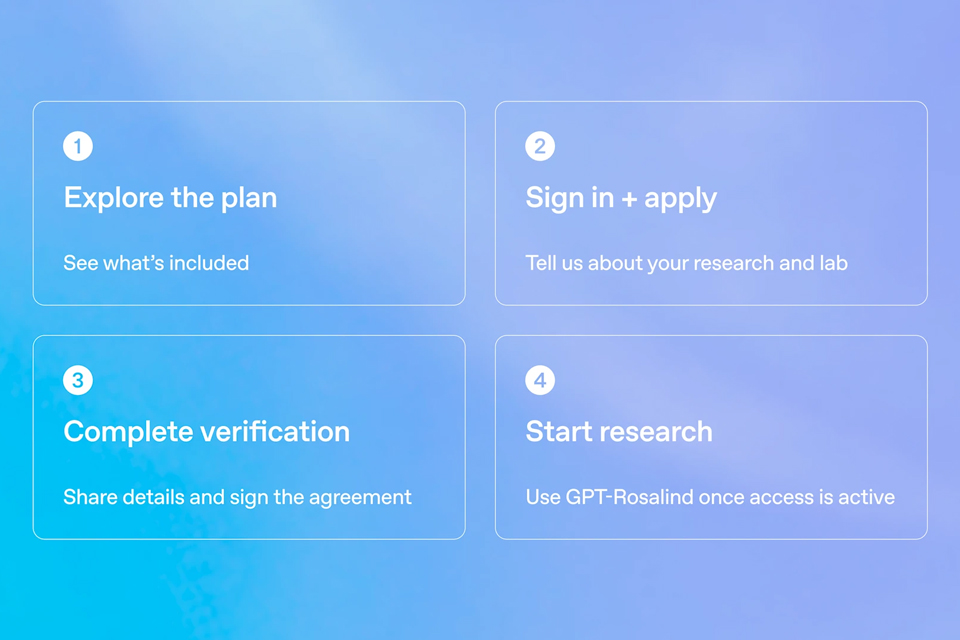
On October 15, OpenAI announced the Rosalind Academic Plan, giving approved US university labs free access to…
A Qiita article compared automated red-teaming methods for LLM apps — GCG, PAIR, and TAP — using mock implemen…

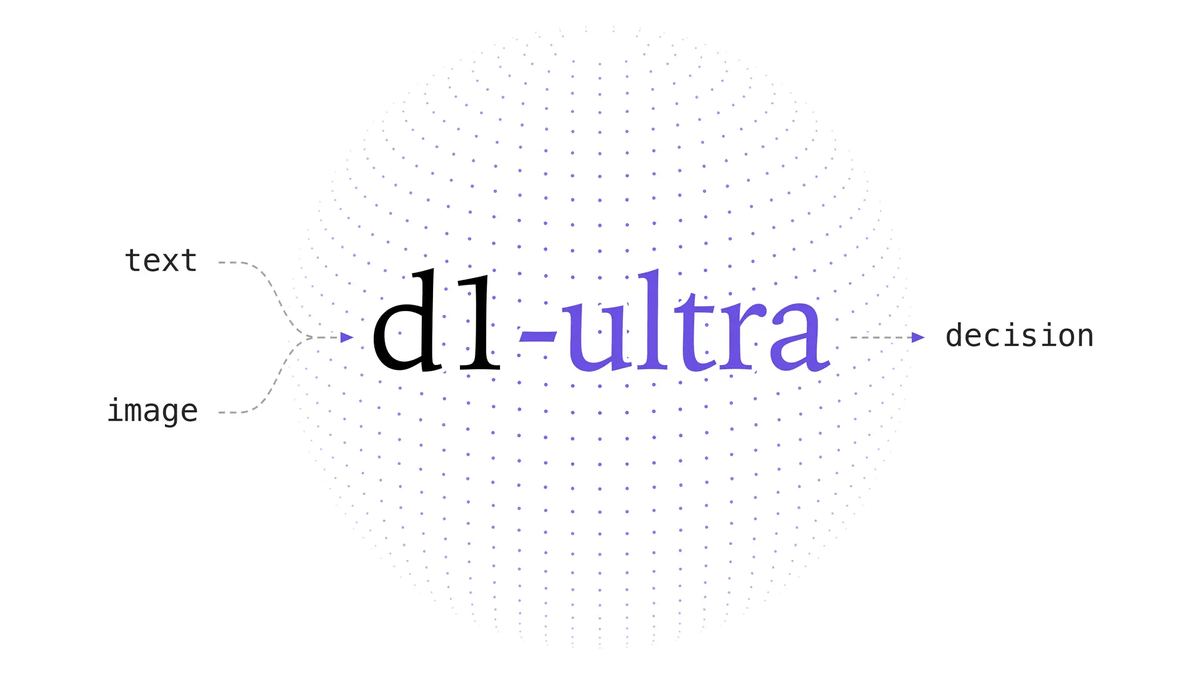
Liquid AI released d1-ultra on October 15, 2026, an upgraded open-weights decision model that averaged 76.7 ac…
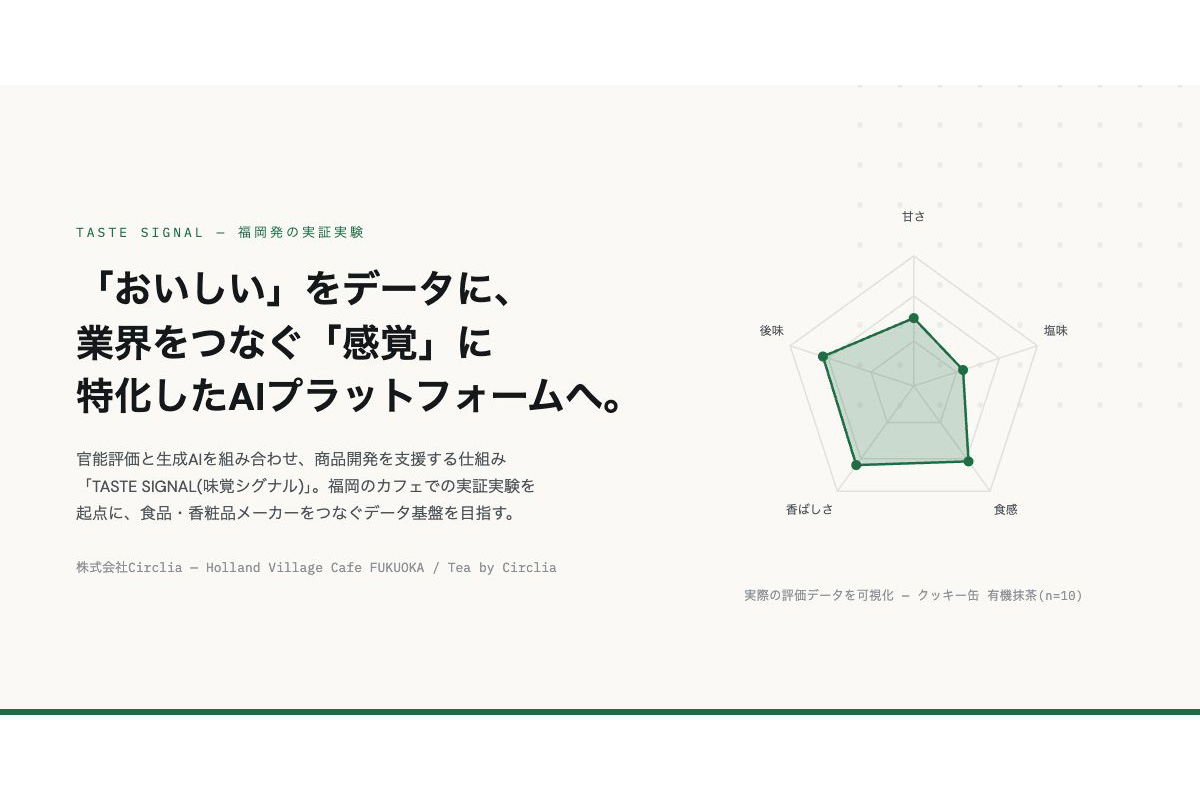
Circlia started a proof-of-concept for TASTE SIGNAL: visitors to Holland Village Cafe FUKUOKA taste cookies an…
In a webinar hosted by French Mathematical Society president Isabelle Gallagher, Fields Medal winner Hugo Dumi…

