What happened
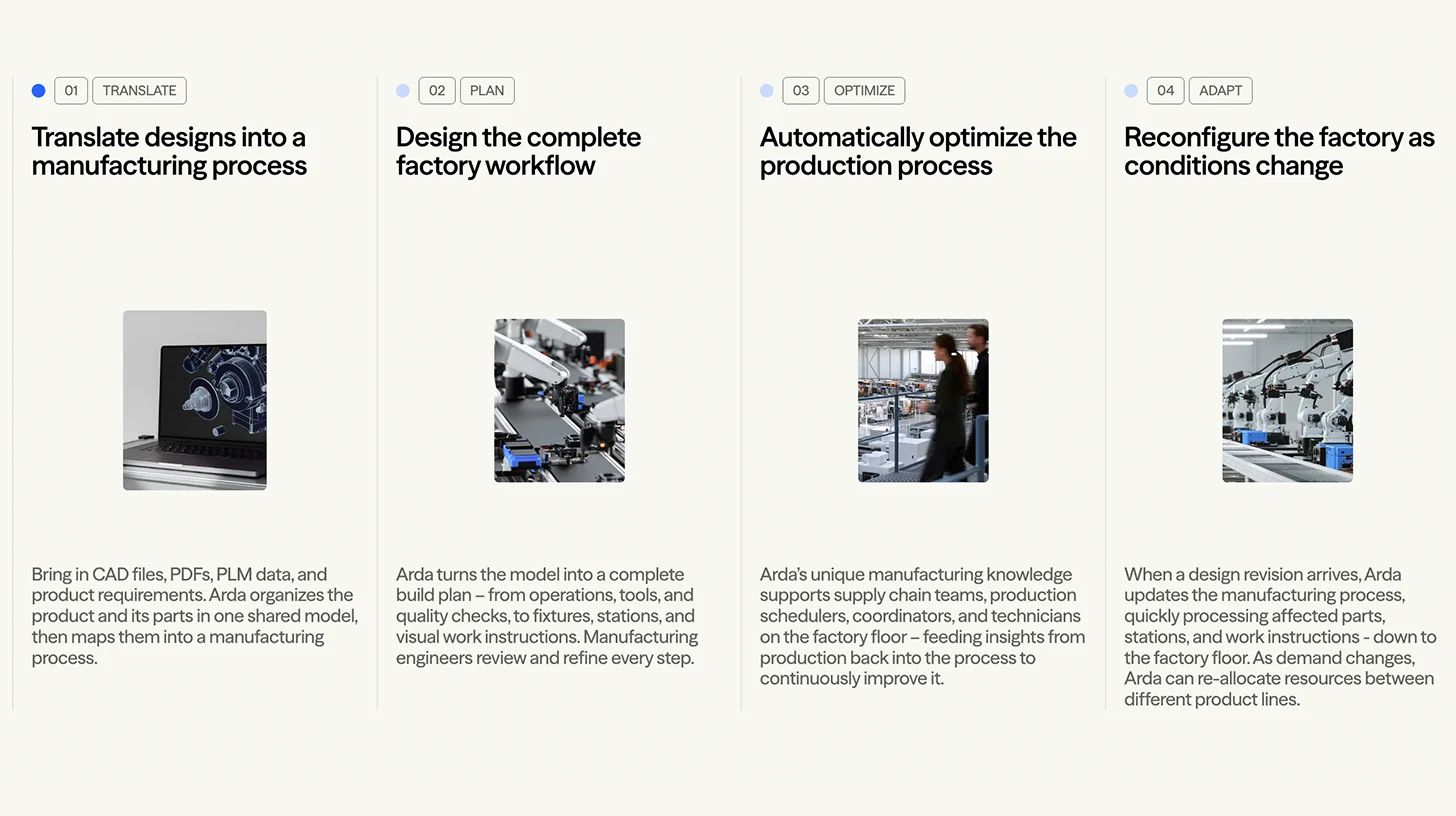
Danaher and NVIDIA are combining Danaher's instrument and lab automation portfolio with NVIDIA's computing infrastructure and AI software, including running DGX Spark hardware at the edge and evaluating NVIDIA's BioNeMo foundation model for real-time analysis.
Why it matters
The premise is that AI models can generate hypotheses faster than labs can test them, so embedding AI processing in instruments could shorten that cycle and feed experimental results back into models, though Danaher said the initial rollout targets only a limited set of instruments.
WHO IT HITSLife sciences and diagnostics lab teams and instrument operators may see faster hypothesis-to-evidence cycles if the pilot instruments work as intended, while lab software and automation vendors could face pressure to match embedded AI compute capabilities.
Summaries like this, in your inbox every morning.
The partnership rests on a specific bottleneck Danaher and NVIDIA have identified: AI models can generate hypotheses or predictions faster than labs can currently test them, and building AI processing into the instruments themselves could shorten that cycle. To that end, the companies plan to run NVIDIA's DGX Spark hardware at the edge, closer to the instruments generating data, rather than relying solely on centralized or cloud compute, and to use NVIDIA's RAPIDS libraries for faster data processing.
Beyond the near-term focus on priority instruments, edge computing, accelerated analytics, real-time inference, scientific reasoning and foundation models, the collaboration points toward more adaptive laboratory workflows where instruments, models and experimental data learn from one another over time. A more exploratory piece involves NVIDIA's Cosmos world models and Omniverse digital twin technology, which could eventually be used to simulate instrument behavior or lab conditions before physical experiments run.
Luciano Lucas framed the arrangement as one in which no single company can deliver AI-enabled science alone, describing Danaher's position as scale and trust across the life sciences and diagnostics ecosystem and NVIDIA's as extending what is possible at the AI and compute layer.
Pick your industry and the AI tools you use, and get news related to your work every day.
Free · 30 seconds with Google · unsubscribe anytimeWhat is AIToday? →
Ask AI anything about this article. The AI reads this article, earlier AIToday articles, and Wikipedia, and cites its sources. Q&As are published on this page for other readers too.
Infineon Technologies said on October 21 it is expanding work with Nvidia on 800-volt direct current power arc…
BloFin Research outlined three defensive moves for a potential 2027 AI correction: shift some S&P 500 exposure…

Shares fell 6.9% Thursday, extending the drop from the June 2 peak to 50%, with market capitalization at about…
Schneider Electric, Nvidia and HPE formed a strategic collaboration to launch Industrial AI Agents at the Edge…

Anthropic released Claude Duet, built on Claude Opus 5.5

Bob McGrew's Arda launched Oct