What happened
Meta AI Research's September 2, 2026 post says Muse Spark 1.3 used roughly 20% fewer tool calls and 25% fewer tokens than Muse Spark 1.2 on the same work, in comparisons run by Meta's own engineers.
Why it matters
The figures are internal averages with the task mix, settings and token-counting method left unpublished, so outside teams cannot re-run them — an efficiency claim users cannot verify for their own workloads, and one the body says has not held in outside measurement.
Summaries like this, every morning.
The disputed claim did not originate with Meta. The company's September 2, 2026 blog post states the 20% and 25% figures and explicitly labels them comparisons run by Meta's engineers — a caveat the post itself includes. What spread afterward was a translation step: if unit prices are the same and tokens fall by a quarter, the same work should cost a quarter less, and that was recast as a de facto price cut.
The body's own facts explain why that translation does not hold. The task mix, the number of tasks, the inference settings and even how tokens were counted (input versus output, whether reasoning tokens or cached input are included) are not published, leaving no material for an outside party to re-measure under the same conditions. Pricing for Muse Spark 1.3 Standard sits at $1.25 input, $0.15 cached input and $4.25 output per million tokens, the same as 1.2 and 1.1, and multiple price snapshots as of November 18, 2026 showed no change.
The outside checks in the body point in different directions, which is the substance of the dispute. Artificial Analysis found 1.3 generating well above the median of the models it evaluated, with per-task cost at launch rising from $0.40 to $0.55, about 37% — a consumption increase visible precisely because unit prices did not move. DataCamp's three-task coding test did not reproduce the 25% token reduction, with non-cached input tokens falling at most about 22% and total cost about 12% higher on 1.3, though tool calls did fall 23–32% on two of the three tasks, in the same direction as Meta's number. The practical reading the body supports: on a model with flat unit pricing, whether a given user pays less depends on consumption in their own tasks, not on an internal average.
Pick your industry and the AI tools you use, and get news related to your work every day.
Free · 30 seconds with Google · unsubscribe anytimeWhat is AIToday? →
Ask AI anything about this article. The AI reads this article, earlier AIToday articles, and Wikipedia, and cites its sources. Q&As are published on this page for other readers too.
Softsu announced that its AI phone auto-response service Mirai AI received the AX Contribution Award in the AI…

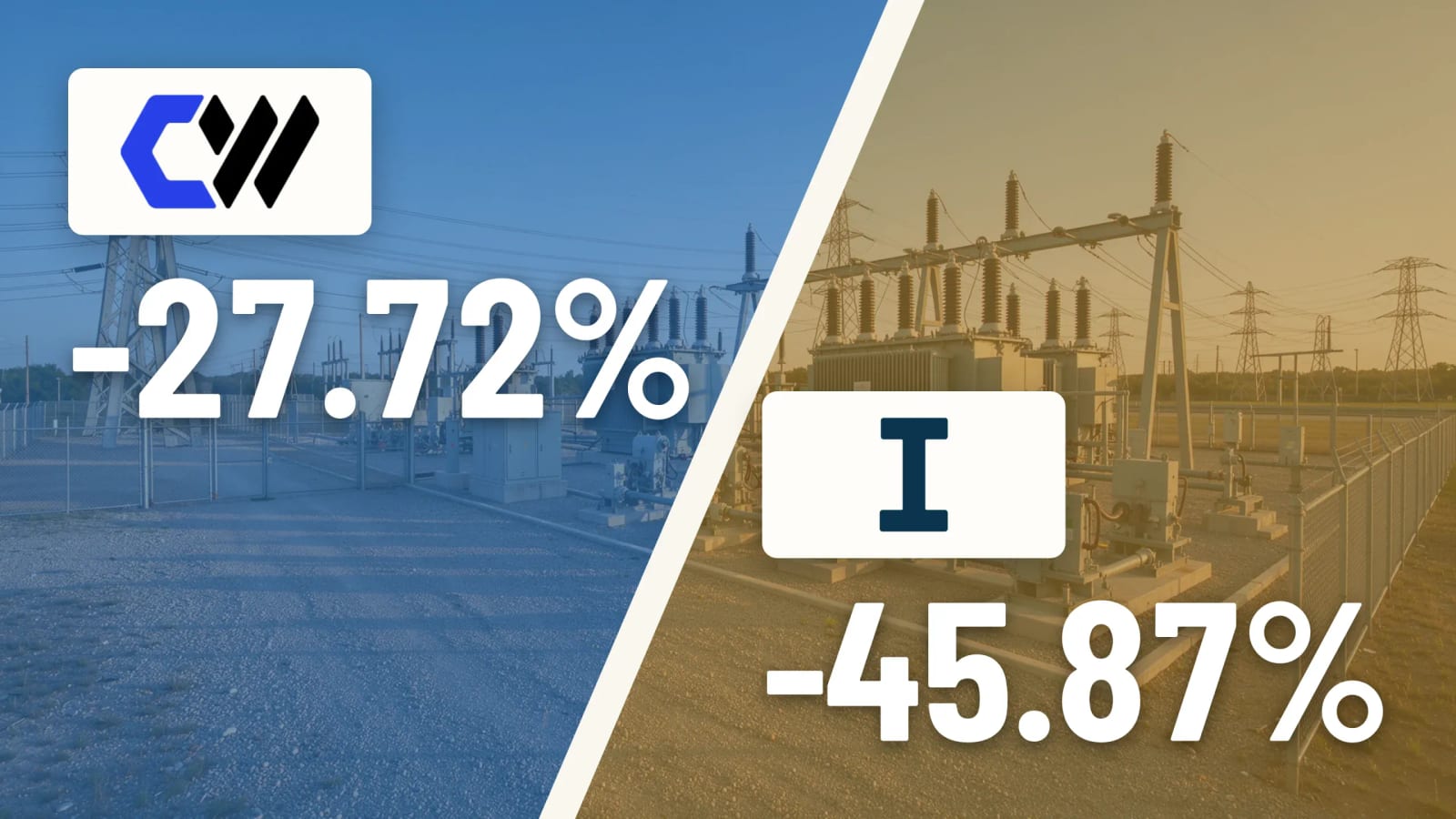
CoreWeave (CRWV) closed at $44.91, down 27.72% over a month, while IREN (IREN) sat at $14.41, off 45.87%, with…
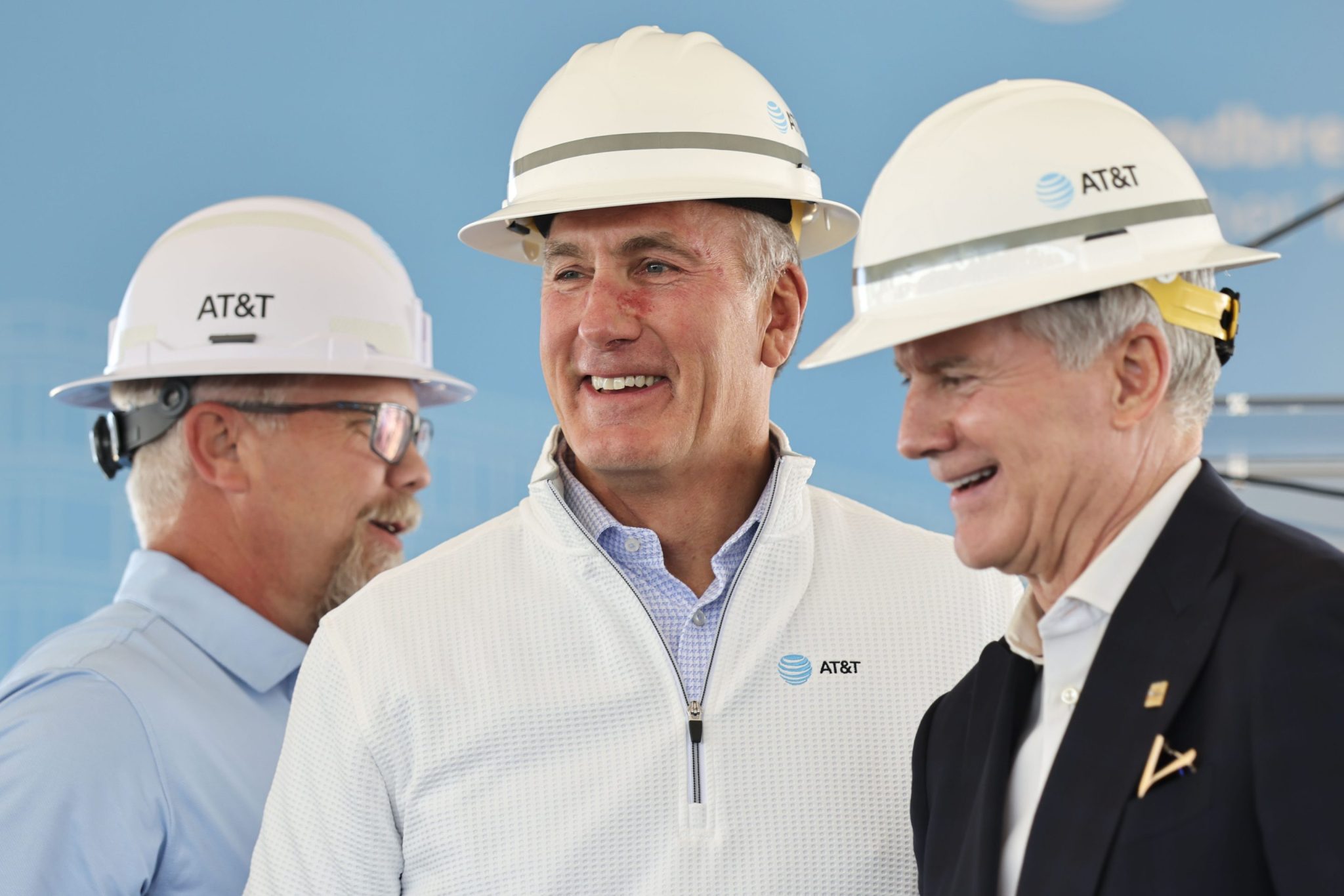
AT&T CEO John Stankey said the telecom industry will need nearly 200,000 more construction and technician work…
The Nov 19 arXiv paper found ICLR critique overlap rose from 12.0% in 2026 to 21.3% in 2027, with LLM-flagged…

Researchers at the Technion, University of Haifa, and Google Research released AltRA-Test, which checks whethe…
Feed Inc. began offering "Marugoto LLMO" on November 17, 2026, covering AI research, question design, page rew…