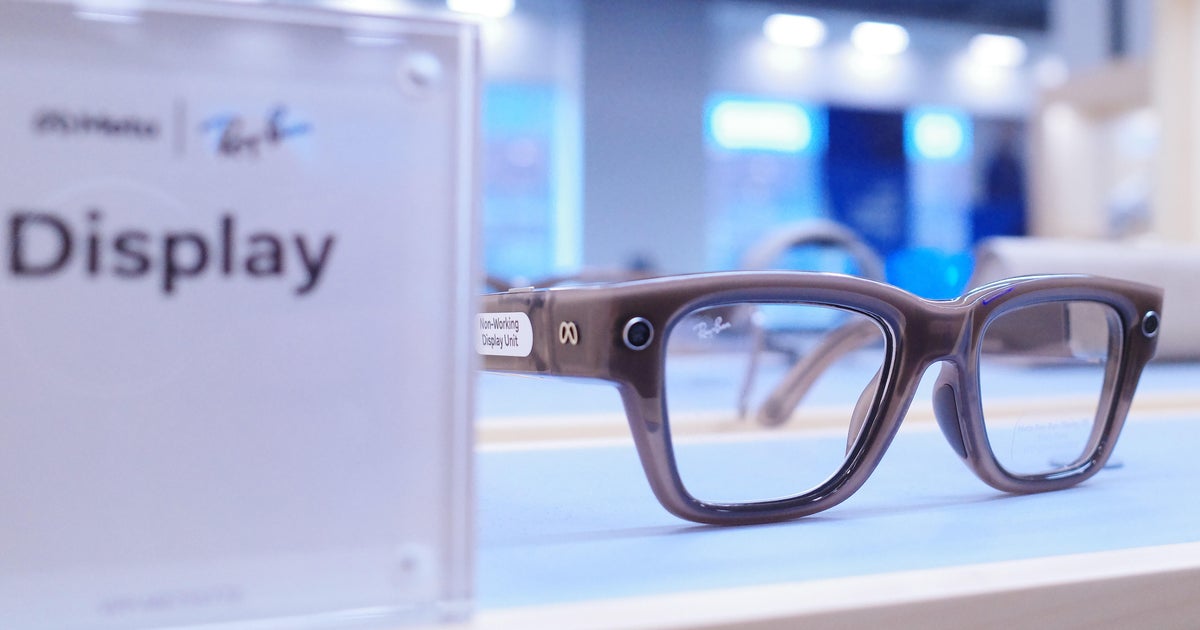
Meta has updated its AI glasses to stop secret recordings.
The camera now disables if the recording light is covered.
This follows reports of people being filmed without consent.
What happened
Meta announced privacy updates to its AI-powered glasses after reports of users filming people without consent. The company disabled the cameras if the LED light is physically tampered with, and recording now stops if a user covers the light after starting to film.
Why it matters
This follows a CBS News report in August about a woman who was unknowingly filmed and found a video of herself on social media. A CBS News producer tested the glasses last month and found the earlier disabling mechanism did not work when the light was covered after recording began.
What to watch
Meta says the enhanced feature now deactivates recording whenever tampering is detected, and companies offering LED tampering services have shut down as a result. Meta also removed thousands of harassing posts and blocks search terms linked to violating content.
Ask the AI about this article →
Meta's latest privacy update directly responds to a CBS News investigation from August, which detailed an incident where a woman was filmed without her knowledge by someone wearing the glasses and later discovered the video online. The company's previous safeguard required the LED light to be blocked before filming started to lock the recording function, a flaw that CBS News producer Anna Schecter demonstrated last month when she found the earlier mechanism failed if the light was covered after recording had begun.
The new approach shifts the security logic: instead of preventing tampering before recording, the camera now deactivates whenever tampering is detected during use. Meta claims this has already had a deterrent effect, noting that companies offering LED tampering services have shut down because the camera now deactivates when tampering is detected. Alex Himel, Meta's vice president of wearables, acknowledged that only a tiny minority of people try to bypass these protections, but the need for such lengths indicates the company is treating the issue as a credibility problem for its AI glasses.
The update is part of a broader effort to address privacy concerns, including removing online posts with tampering instructions and blocking search terms associated with violating content. For business readers, the takeaway is that Meta is actively responding to documented abuse of its consumer device, which could affect trust and adoption as AI wearables become more common.
For example, today's edition would include:
AI-summarized, only the topics you pick — one digest a day via Email, Slack, or Discord.
Free · takes 30 seconds · unsubscribe anytimeWhat is AIToday? →
Ask AI anything about this article. Q&As are published on this page for other readers too.
DirectCloud will start providing 'SmartFiling AI Powered by DirectCloud' to Canon Marketing Japan (Canon MJ) o…

Furukawa Electric is a top supplier of external laser sources (ELS) for AI data center CPO switches, with high…

LINE Yahoo is expanding ad delivery using its AI agent 'Agent i'

Tokyu Construction announced on August 31, 2026, that it will use NTT ConoSurf's voice AI and generative AI to…

Mitsubishi Heavy Industries and NEC announced on the 2nd that they will strengthen cooperation in the defense…

Sony Group and 35 other companies have filed a lawsuit against Anthropic in the U.S., according to the article…