
What happened
Toronto patent research startup NLPatent rebranded as Clerq and launched its first agentic workflows today. Two workflows are live at launch: a rapid triage assessment for invention disclosures, and a full patentability report with feature-by-feature reasoning and cited references. The software completes a full patentability analysis in about 10 minutes, work that typically takes days or weeks.
Why it matters
Patent research has traditionally been delegated to junior associates or outsourced to search firms. By automating this work under attorney direction, Clerq enables in-house teams at law firms, corporate IP departments, and universities to control the process themselves while cutting turnaround time dramatically. The company also announced integrations with RPX Corp. and Park IP, embedding its research engine into their platforms used by companies managing litigation and patent translation work.
What to watch
Invalidity and freedom-to-operate workflows are next on Clerq's roadmap. The company raised $3 million in a round led by Draper Associates and Mighty Capital in November and is venture-backed. Clerq runs its models in a private cloud and does not train on customer data.
Summaries like this, in your inbox every morning.
Clerq's rebranding and agentic workflow launch mark a shift in how patent research firms position themselves: not as a faster version of existing software-as-a-service tools, but as a replacement for work traditionally delegated down the hierarchy or sent out entirely. The compression of a days-or-weeks process into 10 minutes hinges on the company's large language models, which predate ChatGPT and have been in use by law firms, corporate IP departments, and universities for search and monitoring. By embedding its research engine into RPX Empower (used for litigation risk assessment) and Park IP's translation and foreign filing platform, Clerq is embedding itself into existing workflows where patent quality assessment is a critical control point. The hiring of Michael Chernoff—a former U.S. Patent and Trademark Office examiner with experience running a 30-person search practice and serving as chief patent counsel and chief IP officer—signals the company's intent to build workflows that address more complex patent tasks beyond patentability analysis.
Pick your industry and the AI tools you use, and get news related to your work every day.
Free · 30 seconds with Google · unsubscribe anytimeWhat is AIToday? →
Ask AI anything about this article. The AI reads this article, earlier AIToday articles, and Wikipedia, and cites its sources. Q&As are published on this page for other readers too.
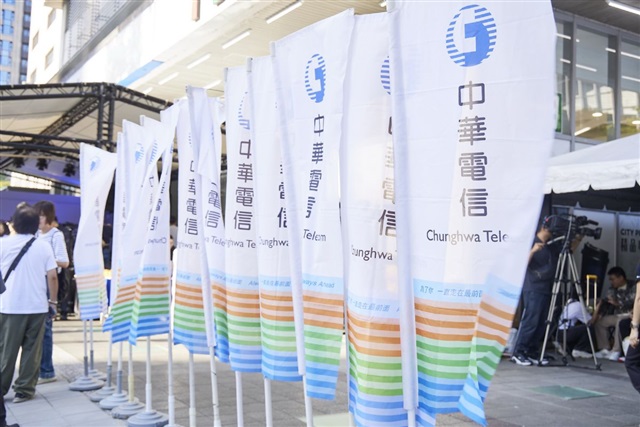
Chunghwa Telecom president Rong-shy Lin said the shift from conversational AI to autonomous AI agents is resha…
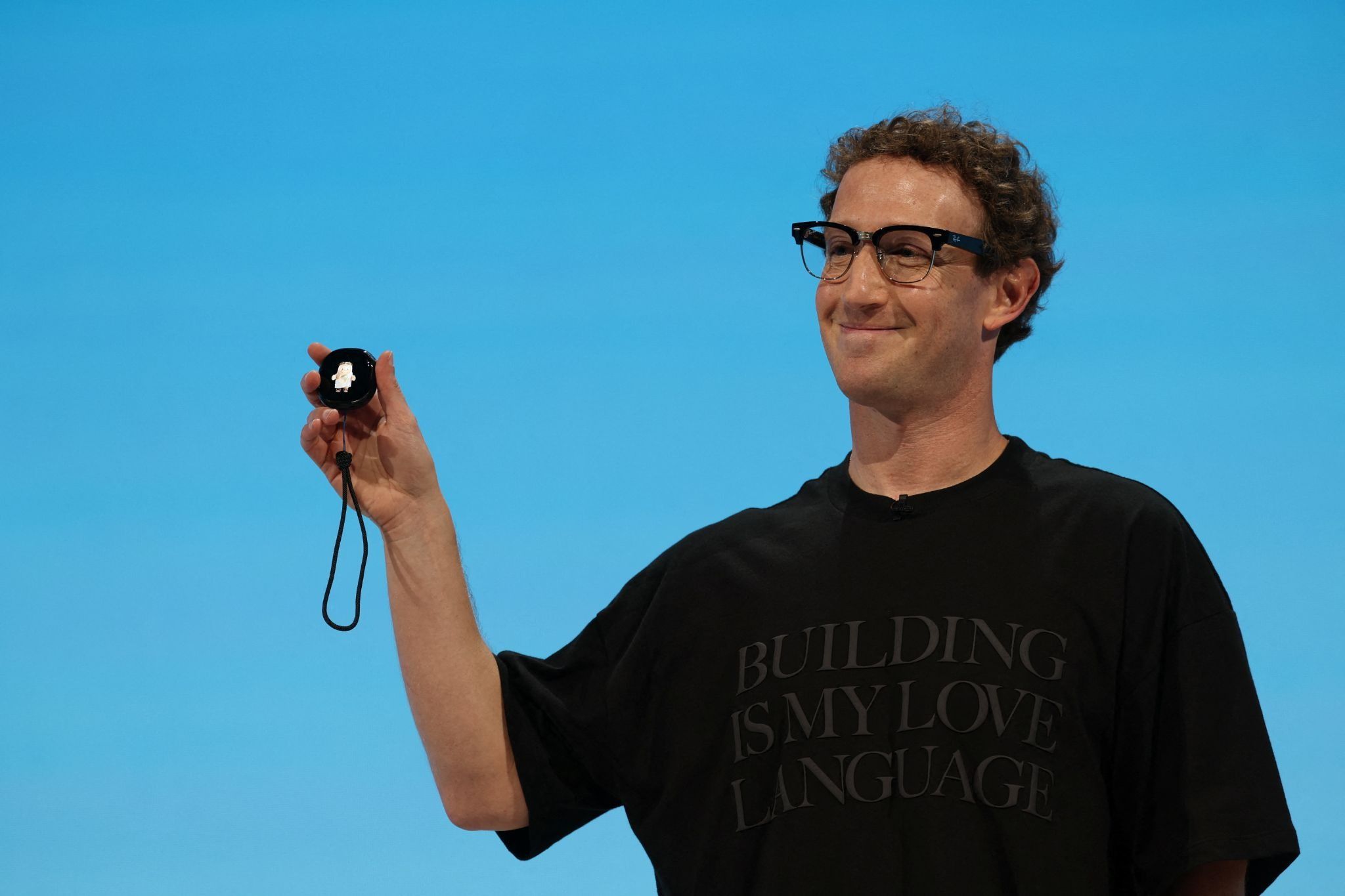
Apple and Meta said they would jointly release a new open-weight AI model designed to run on high-end Macs, ai…
A writer and entrepreneur opened his daily to-do list and found 156 items, and concluded that an AI assistant…

A Zenn contributor sorted AI use into three modes — AI as an assistant, AI running alongside people, and AI th…

The walkthrough points the CLI at a local mock via the ANTHROPIC_BASE_URL environment variable
A non-engineer operator says one person ships four smartphone apps on Google Play, three on the App Store, wit…

