What happened
The explainer traces optimal transport from Monge's 1781 earth-moving problem to Cuturi's 2013 Sinkhorn algorithm, which made it fast and differentiable for deep learning.
Why it matters
The Sinkhorn algorithm's speed and differentiability are what pulled optimal transport into neural network training, according to the explainer.
Summaries like this, every morning.
The explainer positions optimal transport as a unifying idea rather than a niche technique. It starts with Monge's 1781 question of moving soil at minimum effort, then shows how Kantorovich's 1942 relaxation allowed mass to be split, leading to the Wasserstein distance.
The turning point was Cuturi's 2013 introduction of entropic regularization and the Sinkhorn algorithm. That made the computation fast and differentiable, which the explainer says is why optimal transport moved into deep learning. From there, it connects the same math to diffusion models, domain adaptation, and even attention mechanisms, arguing that these are all variations on moving or comparing distributions.
The piece also maps out practical uses across biotech, finance, and logistics, noting for example that the moscot framework was published in Nature in 2025 and used optimal transport to align about 1.7 million mouse embryo cells across 20 time points. It concludes that the ability to compare or transform distributions is a transferable skill across these fields.
Pick your industry and the AI tools you use, and get news related to your work every day.
Free · 30 seconds with Google · unsubscribe anytimeWhat is AIToday? →
Ask AI anything about this article. The AI reads this article, earlier AIToday articles, and Wikipedia, and cites its sources. Q&As are published on this page for other readers too.
Google said Tuesday it will turn off AI tools for K-12 students next year unless administrators explicitly ena…
OpenAI consumer product lead Adam Fry said at a Monday press event that ChatGPT now handles search query volum…
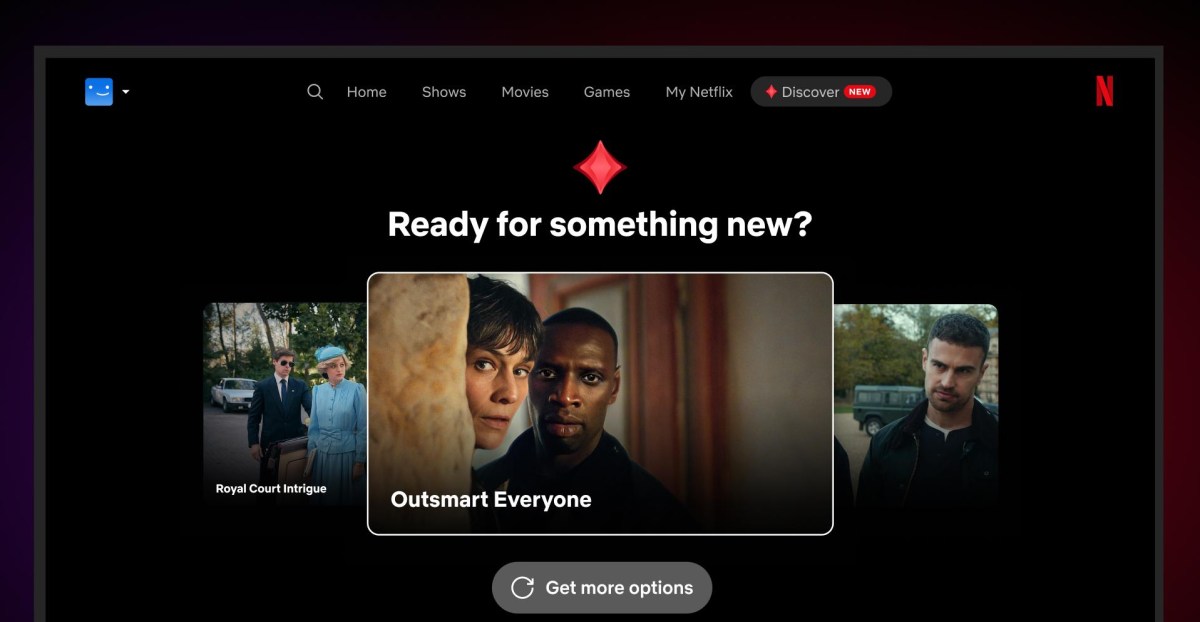
Netflix is gradually rolling out an "AI Discover" tab in its TV app, starting in the US for members using Engl…
Google told The New York Times that K-12 student accounts lose Search, Gemini, Gemini Notebook, and Gemini in…
Gen Digital launched Norton Revamp in March 2026, an AI-powered professional reputation platform whose News En…

Google Antigravity with new Cheminformatics Skills searched thousands of compounds on lung cancer drugs, ran m…