What happened
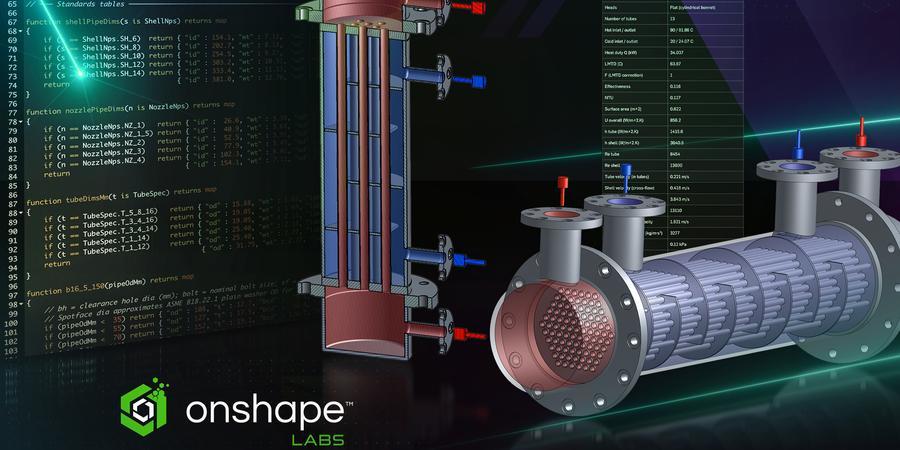
PTC announced on August 13, 2026 that Onshape, its CAD and product data management platform, now offers FeatureScript MCP Server, a new feature that lets engineers create custom CAD functions by writing natural-language prompts to AI models like Claude, ChatGPT, and Gemini, which then generate FeatureScript code.
Why it matters
Engineers can now build and test custom CAD tools without writing code directly—they describe what they need in plain language, and AI translates that into working CAD features. This could make CAD customization accessible to non-programmers and reduce the time to adapt designs to a team's specific workflow or project needs.
What to watch
PTC positions Onshape as the foundation of its broader "Intelligent Product Lifecycle" vision, which aims to integrate product data across design, engineering, and operations. The company sees AI-assisted code generation as a way to help engineers unlock insights from product data and ensure compliance and traceability—a capability that could reshape how teams manage complex design projects.
Summaries like this, in your inbox every morning.
PTC's move reflects a wider shift in CAD software toward AI-assisted design and customization. Onshape, as a cloud-based platform, is well-positioned to integrate AI services because the infrastructure already connects users to cloud resources. By routing user intent through large language models and then into FeatureScript—Onshape's existing scripting language for custom tools—PTC avoids forcing engineers into a choice between low-power visual tools and steep programming curves.
The introduction of Model Context Protocol (MCP) is significant because it standardizes how external tools (including AI models) communicate with Onshape. This means engineers can use whichever LLM they prefer or trust, rather than being locked into a single vendor's AI. The company frames this as part of a larger strategy called "Intelligent Product Lifecycle," which seeks to weave AI through the entire design-to-production journey, using product data to guide compliance, traceability, and design optimization.
According to PTC executives quoted in the announcement, the real value is not simply automating CAD model generation, but empowering engineers to turn their domain knowledge into reusable tools. By making it easier for non-specialists to build custom features, PTC hopes to reduce the friction in design workflows and encourage teams to capture and share institutional knowledge—something that typically requires either hiring specialists or spending weeks or months coding bespoke solutions.
Pick your industry and the AI tools you use, and get news related to your work every day.
Free · 30 seconds with Google · unsubscribe anytimeWhat is AIToday? →
Ask AI anything about this article. The AI reads this article, earlier AIToday articles, and Wikipedia, and cites its sources. Q&As are published on this page for other readers too.

