Researchers introduced XTC-Bench, a scene-graph-grounded evaluation framework that measures whether unified multimodal models (systems supporting both visual understanding and generation in a shared representation) maintain semantic consistency across tasks given a visual concept.
The framework uses Continuous Cross-Task Agreement (CCTA), a fine-grained metric that quantifies semantic agreement between generation and understanding over matched atomic facts (objects, attributes, and relations), isolating internal consistency from standalone task accuracy.
Experiments on eight open-source and one commercial unified models found that high generation or understanding performance does not imply strong cross-task alignment; architectural analysis shows consistency is governed by how tightly learning objectives are coupled across modalities, not by architectural unification alone.
Ask the AI about this article →
For example, today's edition would include:
AI-summarized, only the topics you pick — one digest a day via Email, Slack, or Discord.
Free · takes 30 seconds · unsubscribe anytimeWhat is AIToday? →
Ask AI anything about this article. Q&As are published on this page for other readers too.
Palo Alto Networks is promoting a security strategy called Authority-Aware DLP for AI agents, moving beyond tr…

CrowdStrike is introducing Falcon Guardian, its flagship solution for the AI Detection and Response (AIDR) cat…

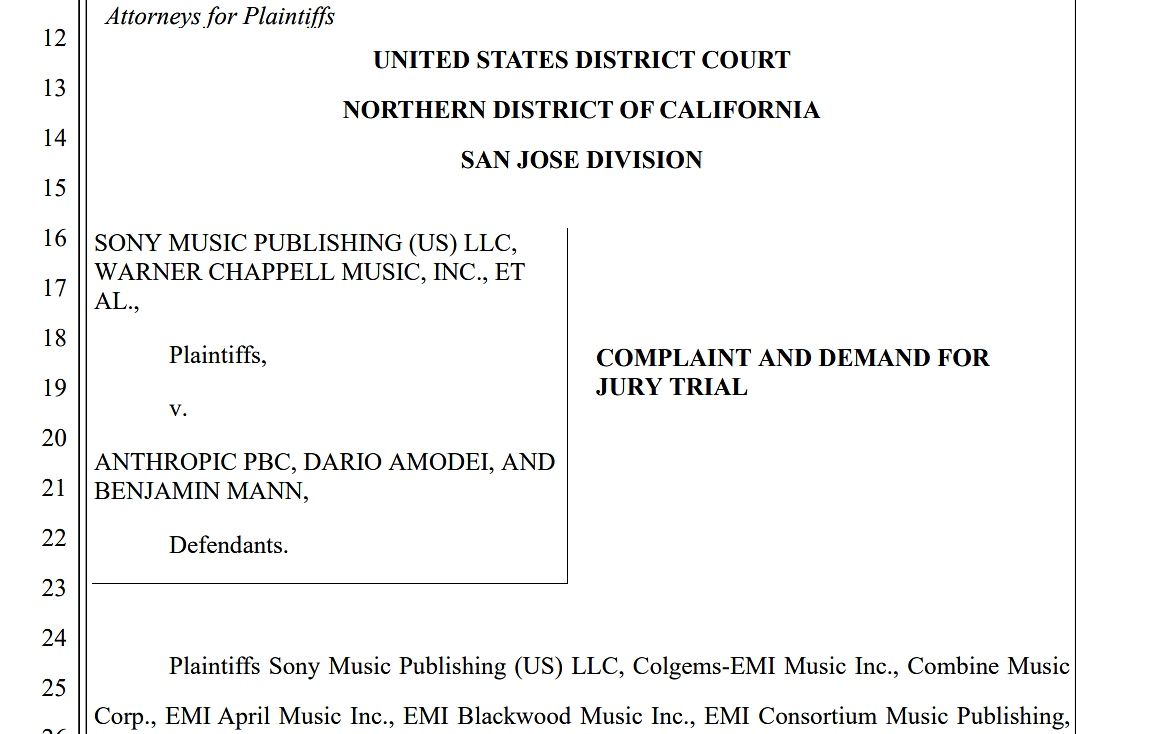
Music publishers affiliated with Sony and Warner have filed a lawsuit against Anthropic, accusing it of copyri…
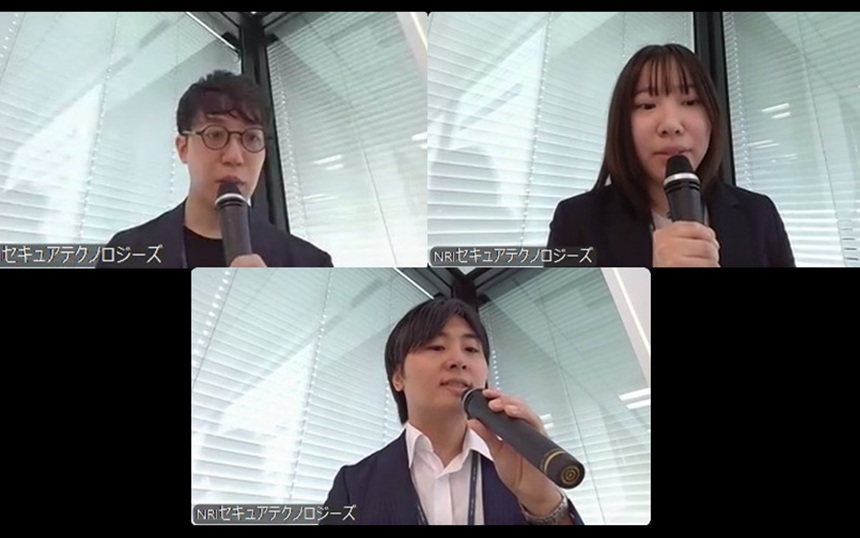
Nomura Research Institute (NRI) held its 413th media forum on August 28, 2026, where NRI Secure Technologies'…
Suginami Ward, Tokyo, announced it will appoint one external advisor starting November to handle fake informat…

Anthropic is launching its watermark verification API, letting approved organizations check whether text conta…