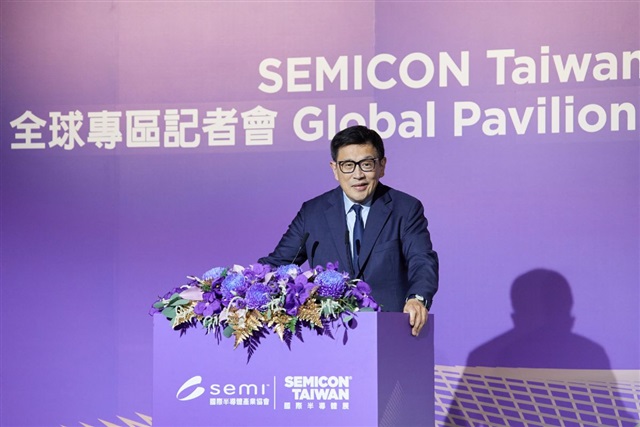
AI infrastructure spending is accelerating global semiconductor production to levels four years ahead of prior forecasts, with the market expected to hit US$1 trillion(約160兆円) in 2026 and US$1.5 trillion(約240兆円) by 2030. The chip industry is responding by dispersing manufacturing capacity across multiple regions to manage the risk and scale of meeting surging AI demand.
Summaries like this, in your inbox every morning.
Sign up free →What happened
Global semiconductor output is projected to reach US$1 trillion(約160兆円) in 2026—four years earlier than previously forecast—and expand to US$1.5 trillion(約240兆円) by 2030, driven by unprecedented AI infrastructure investment.
Why it matters
The accelerated timeline signals that AI demand is reshaping semiconductor capacity and economics globally. Earlier abundance of chip supply could lower costs for data centers and AI applications, though the scale of expansion needed strains manufacturing and supply chains.
What to watch
The semiconductor industry is spreading production risk across geographies. The body does not specify a completion date or regional breakdown for the additional fabs, so monitor announcements from SEMI (the semiconductor equipment and materials trade group cited in the article) for details on factory locations and timelines.
Global semiconductor output is set to reach a historic milestone far sooner than the industry previously expected. According to data cited in the article, AI infrastructure investment at unprecedented levels will lift global semiconductor output past US$1 trillion(約160兆円) in 2026—four years earlier than earlier forecasts had assumed—and expand the overall market to US$1.5 trillion(約240兆円) by 2030. This dramatic acceleration reflects the hunger for chip capacity driven by AI data centers and large-language-model training workloads globally. The semiconductor industry, represented by SEMI (the semiconductor equipment and materials trade association), is responding to this demand surge by adopting a strategy of geographic diversification. Rather than relying on concentrated production in a handful of locations, chipmakers and equipment suppliers are working to spread fabrication facilities and manufacturing risk across multiple regions. This approach aims to ensure supply resilience in the face of the enormous and sustained capacity buildout required to meet AI-driven demand over the remainder of the decade.
The semiconductor industry faces a historic inflection point as AI deployment demands accelerate chip production cycles. The article reports that AI infrastructure investment is now expected to push global semiconductor output past US$1 trillion(約160兆円) in 2026—a milestone previously thought to be four years away. This four-year compression reflects the intensity of data center buildout and AI model training worldwide. By 2030, the market is forecast to reach US$1.5 trillion(約240兆円), underscoring a structural shift in how much computational capacity the world requires. To manage this explosive growth, the chip industry is deliberately spreading manufacturing risk across geographies rather than concentrating production in a few regions. This distributed approach is intended to hedge against supply disruptions, geopolitical constraints, and the sheer logistical complexity of ramping fabrication capacity simultaneously.
AI-summarized, only the topics you pick — one digest a day via Email, Slack, or Discord.
Free · takes 30 seconds · unsubscribe anytime
No comments yet. Be the first to share your thoughts!
Log in to join the discussion



Get curated AI news from 200+ sources delivered daily to your inbox. Free to use.
Get Started FreeFree · takes 30 seconds · unsubscribe anytime
