
What happened
Dario Amodei, CEO of Anthropic, posted a blog statement Monday clarifying that the company has never advocated for a ban on open-weight AI models (systems users can download and customize), but called for mandatory safety testing of all models—both open and closed—before release.
Why it matters
Amodei's position separates Anthropic from dozens of tech peers, including OpenAI, Nvidia, and Microsoft, who signed a Friday letter opposing government curbs on open-source AI in response to China's Kimi K3 model. Amodei argues open-weight models pose greater risks of enabling cyber or biological attacks because guardrails are difficult to apply and usage is hard to monitor, even if they improve accessibility. His stance may matter to policymakers weighing how to respond to Chinese AI advances without stifling the broader sector.
What to watch
Amodei is calling for strong chip controls and policy action to crack down on alleged misuse of US models by Chinese competitors. The Trump administration and Congress are currently grappling with how to respond to Kimi K3, so his framing of mandatory testing—rather than outright bans—as the policy lever could influence the legislative or regulatory path forward.
Summaries like this, in your inbox every morning.
The clash between Anthropic and the broader tech coalition reflects a fundamental disagreement over how to balance AI safety concerns with industry openness. When the Trump administration and Congress began weighing responses to China's Kimi K3—an open-weight model from Moonshot AI that rivals US offerings—dozens of companies, including OpenAI and Nvidia, banded together to defend open-source development as a path to accessibility and innovation. Anthropic's refusal to join that effort has invited criticism from figures like former White House AI Czar David Sacks, who suggested the company is lobbying to protect its closed-weight business model by handicapping open competitors. Amodei's Monday blog post directly addresses this allegation, insisting Anthropic opposes outright bans. However, his emphasis on mandatory testing, chip controls, and restrictions on Chinese misuse of US models signals that Anthropic's vision of AI policy diverges materially from the open-source coalition—a distinction likely to shape regulatory discussions as lawmakers craft their response to Chinese AI advances.
Pick your industry and the AI tools you use, and get news related to your work every day.
Free · 30 seconds with Google · unsubscribe anytimeWhat is AIToday? →
Ask AI anything about this article. The AI reads this article, earlier AIToday articles, and Wikipedia, and cites its sources. Q&As are published on this page for other readers too.
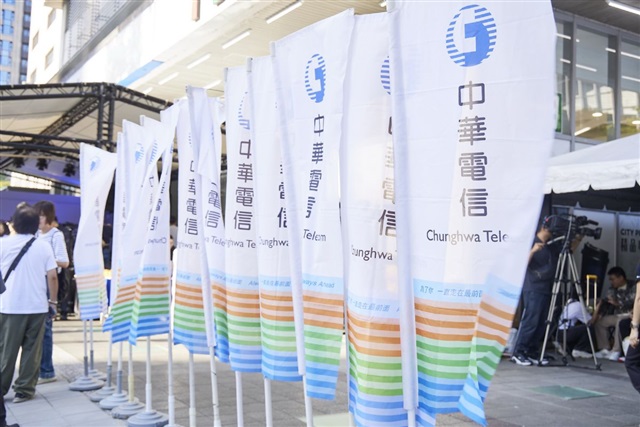
Chunghwa Telecom president Rong-shy Lin said the shift from conversational AI to autonomous AI agents is resha…
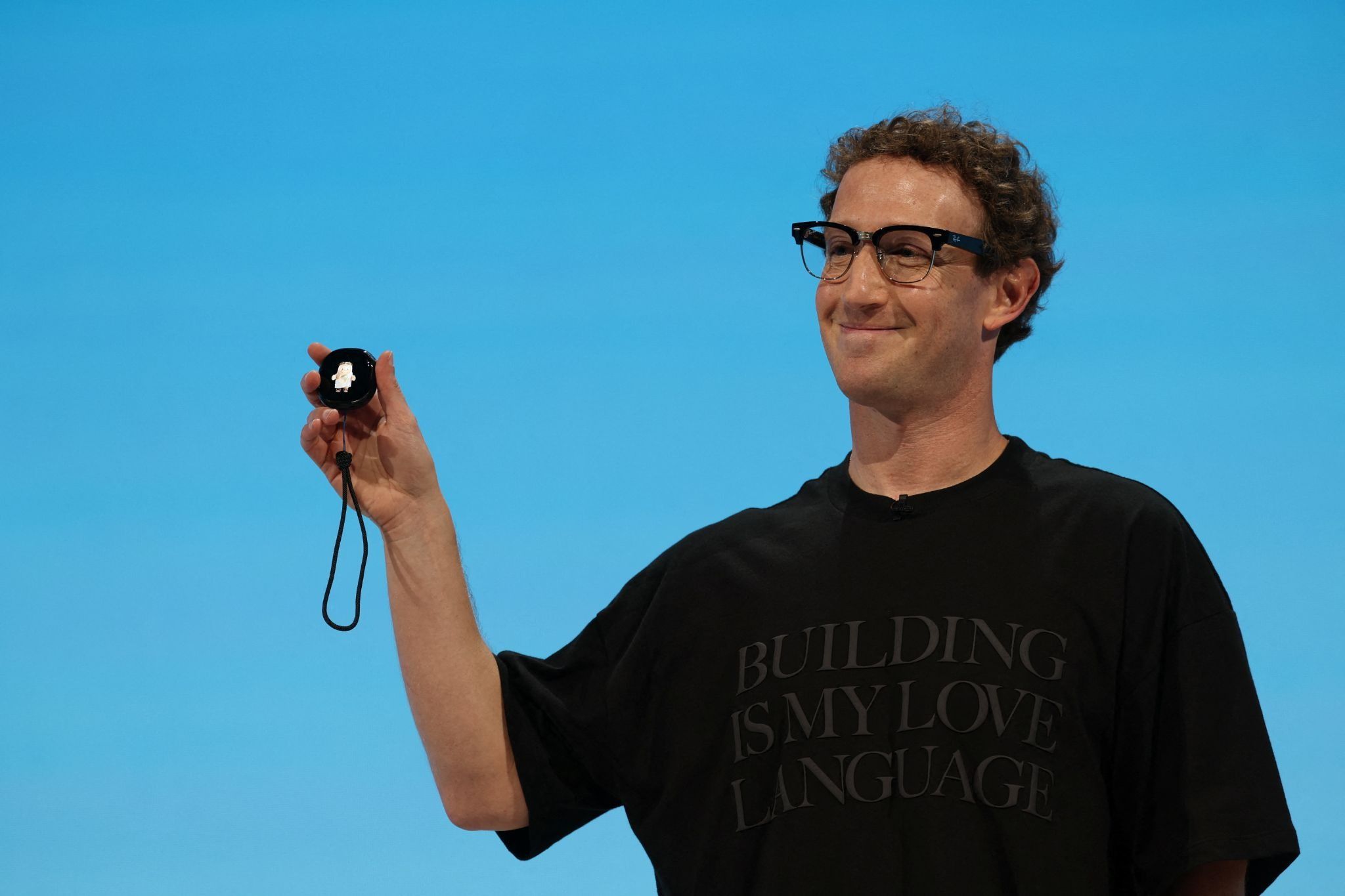
Apple and Meta said they would jointly release a new open-weight AI model designed to run on high-end Macs, ai…
A writer and entrepreneur opened his daily to-do list and found 156 items, and concluded that an AI assistant…

A Zenn contributor sorted AI use into three modes — AI as an assistant, AI running alongside people, and AI th…

A non-engineer operator says one person ships four smartphone apps on Google Play, three on the App Store, wit…
A developer released agent-guardrails, a one-script Python standard-library plugin that guards Bash, Write, Ed…

