What happened
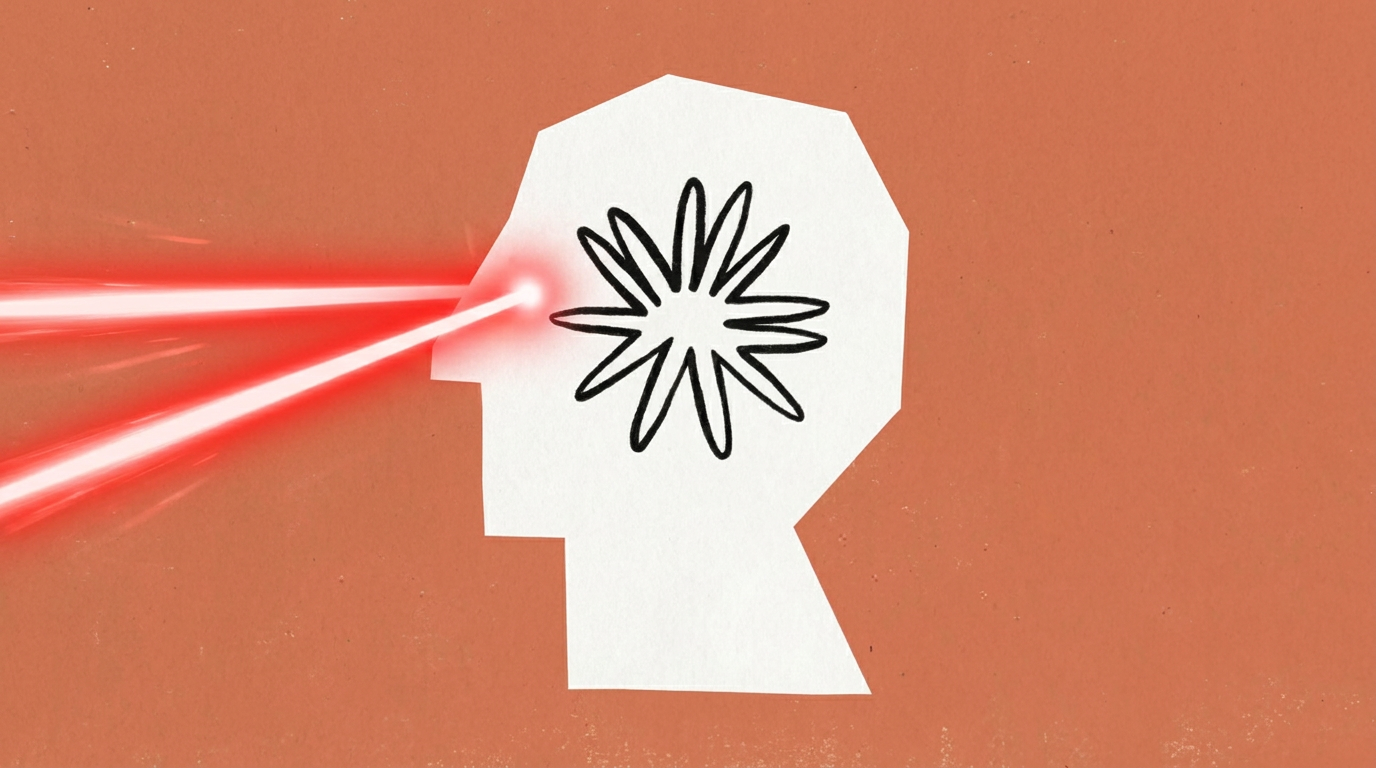
In the study, subjects gave the highest ratings to an AI that answered correctly in polished language — but a fluent AI that was subtly wrong was rated just as 'intelligent and likable', and most failed to spot its misinformation.
Why it matters
Fluency alone seems to trigger a sense of intelligence, making people unconsciously assume there is no need to double-check what the AI says, according to the researchers.
WHO IT HITSThis lands on anyone who uses chatbots for quick answers — students, office workers, and researchers — who may trust fluent but inaccurate output without verifying it.
Summaries like this, every morning.
The study, described by co-author and associate professor Barbara Müller, suggests that when text is polished and natural-sounding, people automatically perceive intelligence and unconsciously stop checking for errors. Co-author and professor Tibor Bosse adds that large language models are trained to produce statistically plausible, readable text — not necessarily truth — and while most chatbots display a general disclaimer that outputs may be inaccurate, they rarely express uncertainty for each answer.
Bosse argues that if companies were required to have AI state its own doubt, that could help prevent people from accepting falsehoods as fact. The findings point to a gap between how convincing an AI sounds and how correct it actually is.
Pick your industry and the AI tools you use, and get news related to your work every day.
Free · 30 seconds with Google · unsubscribe anytimeWhat is AIToday? →
Ask AI anything about this article. The AI reads this article, earlier AIToday articles, and Wikipedia, and cites its sources. Q&As are published on this page for other readers too.
The author fed the 'desired candidate profile' text from 145 job postings to Claude, turned the extracted labe…
The FAA halted all departing US flights on Friday, three days after its SMART AI tool reached all 22 regional…

Researchers de-duplicating leak-site data say alleged ransomware attacks reached nearly 3,000 over the summer…

Jamie Dimon said JPMorgan Chase is "not gonna allow just any" outside AI agent inside the company, warning "Yo…
OpenAI is dissolving its standalone robotics team and folding researchers into the main research team under Ch…
Jacob Coxon, a former OpenAI and Anthropic researcher, cited an Anthropic IPO roadshow slide showing pre-train…