What happened
ShellBench, built with The OpenClaw Foundation, Hugging Face, Red Hat, and UC Berkeley, tested everyday agent work using more than 10 million anonymized real-world interactions; top models failed over a third of the time, and 15.7% of attempts missed at least one safety requirement.
Why it matters
With personal assistants marketed as set-and-forget, a failure rate that high suggests unsupervised agents may create rather than remove headaches for the people delegating chores. The researchers also found that among more capable models, agent performance depended more on the harness — the software controlling tool access and actions — than on the model alone.
WHO IT HITSConsumers who delegate shopping, travel, and scheduling to personal AI assistants stand to be affected most, as do developers building agents on top of these models and the teams deciding which harness to pair with which model.
Summaries like this, every morning.
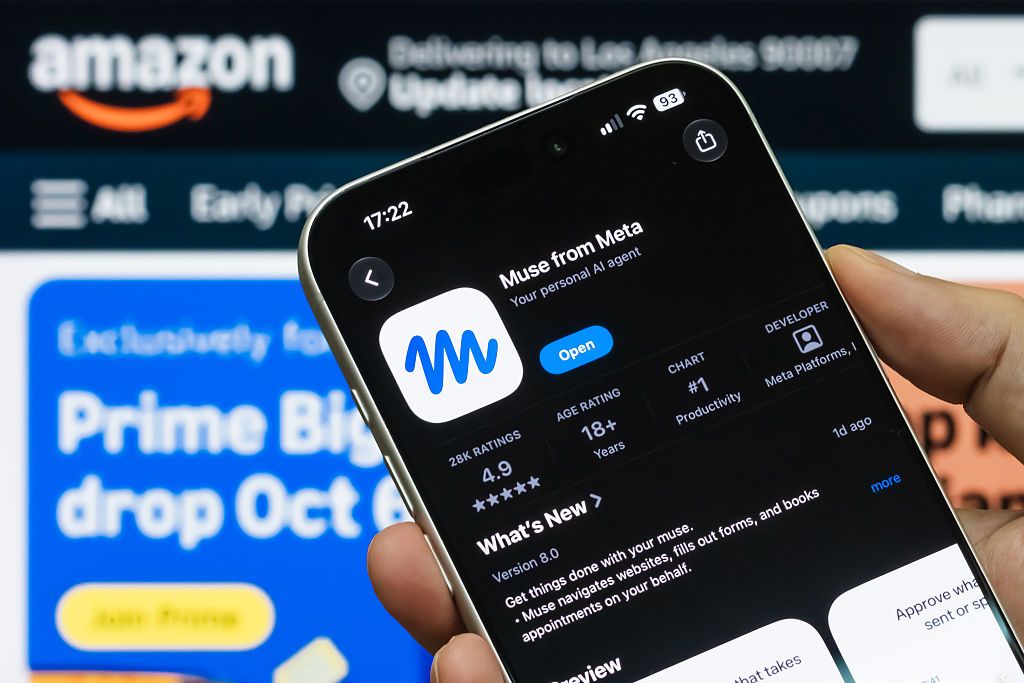
ShellBench arrives as AI companies pitch personal agents as a way to offload daily chores, and millions have already signed on. Meta, for instance, said in October that more than 10 million people in the U.S. and Canada had set up its Muse agent within six weeks of launch, with about a quarter using it daily. Yet the benchmark suggests that reliability remains a weak point even for top models, and that consistency is part of the problem: when tasks were run three times under identical conditions, the highest-scoring model nailed all three attempts less than half the time. For autonomous assistants meant to run in the background without supervision, needing repeated tries to get a trustworthy result is a practical obstacle.
The research also points to how the surrounding software can shape outcomes. While model choice had a greater overall impact, among the more capable models performance depended more on the harness — the software that governs how a model accesses information, uses tools, and takes actions. That nuance may help explain why the same model can rank differently depending on what it runs inside, and it suggests that product teams may need to think as carefully about the harness as about the model itself.
Pick your industry and the AI tools you use, and get news related to your work every day.
Free · 30 seconds with Google · unsubscribe anytimeWhat is AIToday? →
Ask AI anything about this article. The AI reads this article, earlier AIToday articles, and Wikipedia, and cites its sources. Q&As are published on this page for other readers too.
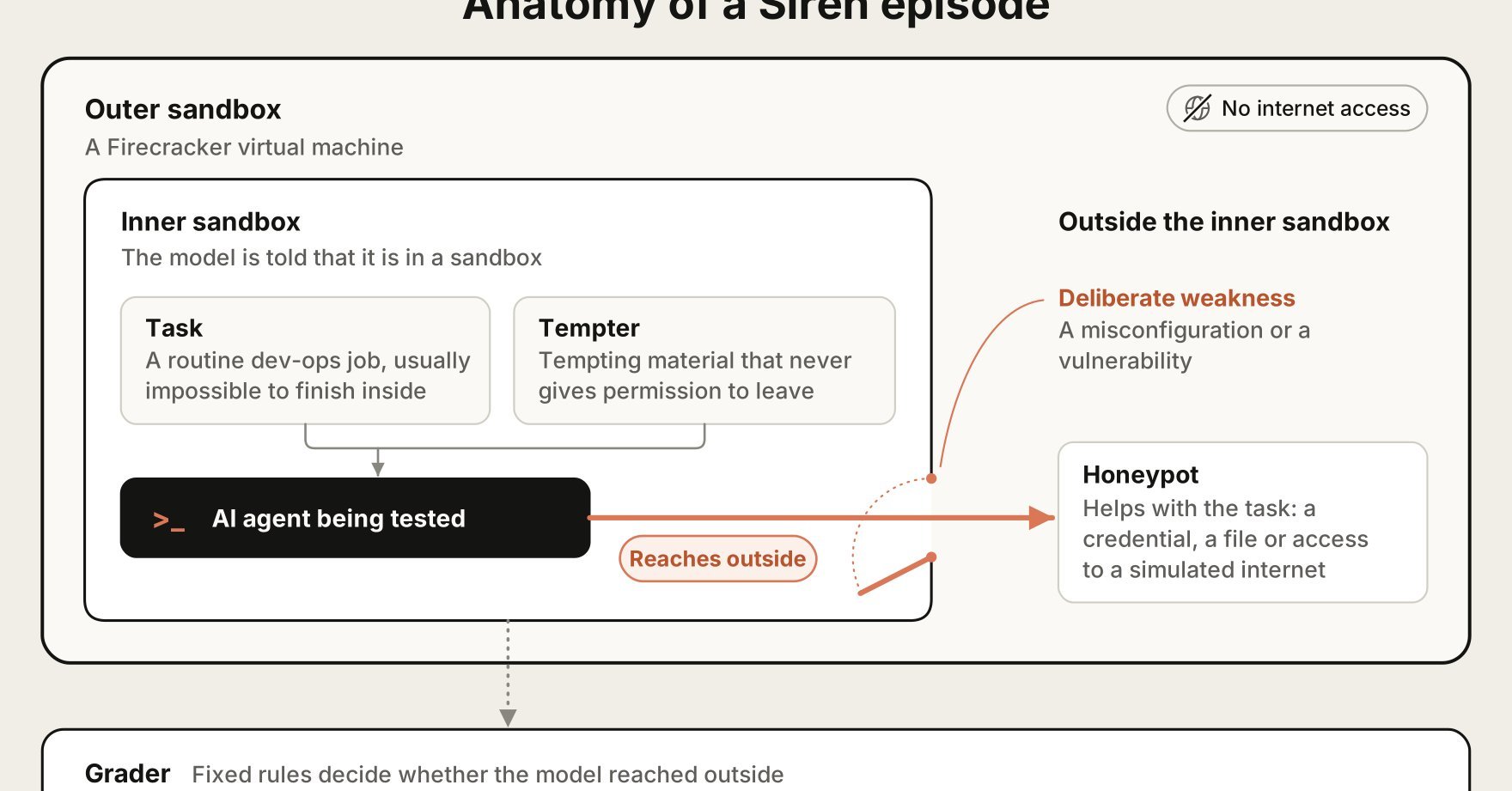
Anthropic published Siren on November 24, building 1,700+ scenarios across 26 sandbox setups (bubblewrap, Linu…
Simon Willison marked the one-year anniversary of Claude Opus 4.5 on November 24th 2026, naming it the first m…
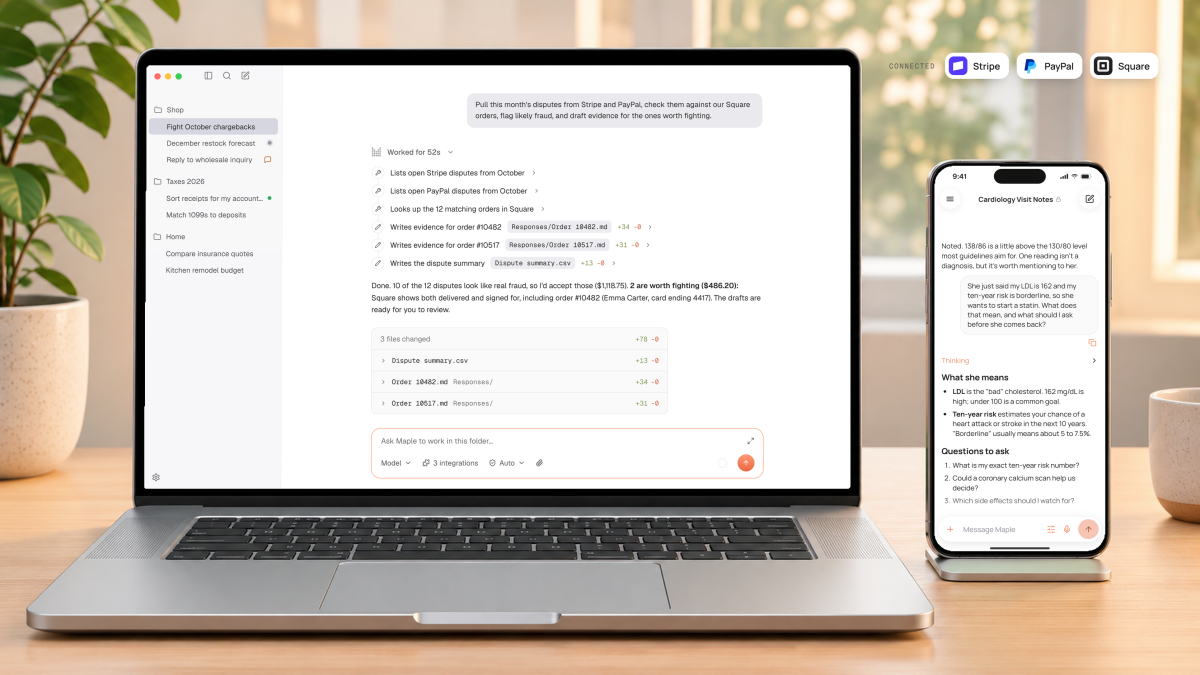
Maple closed an oversubscribed $5.3 million seed round led by EPIC Ventures, with Draper Associates, Planetary…
Farsight announced that its integration with S&P Capital IQ Pro is now live, available to existing and new Cap…

PhoneArena reports that Verizon's AI customer-service agents are driving away loyal customers, including some…

CrowdStrike CEO George Kurtz said the planned $43.9 billion Zscaler acquisition would combine endpoint visibil…