What happened
NEC's Kei Noguchi described how employee engagement fell to 19%, with 8 in 10 staff saying they wanted to leave, and said the turnaround started by ending a "culture of excuses" and unifying scattered internal data.
Why it matters
The account suggests AI adoption stalls when staff argue from different facts, so consolidating data and shared assumptions may be the real prerequisite rather than the technology itself.
Summaries like this, in your inbox every morning.
NEC's account ties a severe business slump — falling sales and profit, a withdrawn midterm plan, and engagement at 19% — to an internal habit of hiding inconvenient facts behind conveniently sliced data. Noguchi frames the response as organizational rather than technical: getting everyone to argue from the same facts. That required unifying data scattered across the company, which NEC pursued first by sharing management data and then by visualizing the large volume of transaction data from daily sales activity. Only after that groundwork does the Adachi Ward example appear, where the ward started from the goal of a crime-prevention dashboard, worked backward to the data it needed, and enabled staff to use AI dialogue to draft locally grounded measures. Read together, the two cases suggest the sequencing — purpose, then data readiness, then AI — is the point NEC is making, though the piece offers no measured results from the ward's dashboard.
Pick your industry and the AI tools you use, and get news related to your work every day.
Free · 30 seconds with Google · unsubscribe anytimeWhat is AIToday? →
Ask AI anything about this article. The AI reads this article, earlier AIToday articles, and Wikipedia, and cites its sources. Q&As are published on this page for other readers too.
DeepSeek released DeepSeek-V4.1-Flash-1017, a “minor update” that reduces task execution time and output lengt…
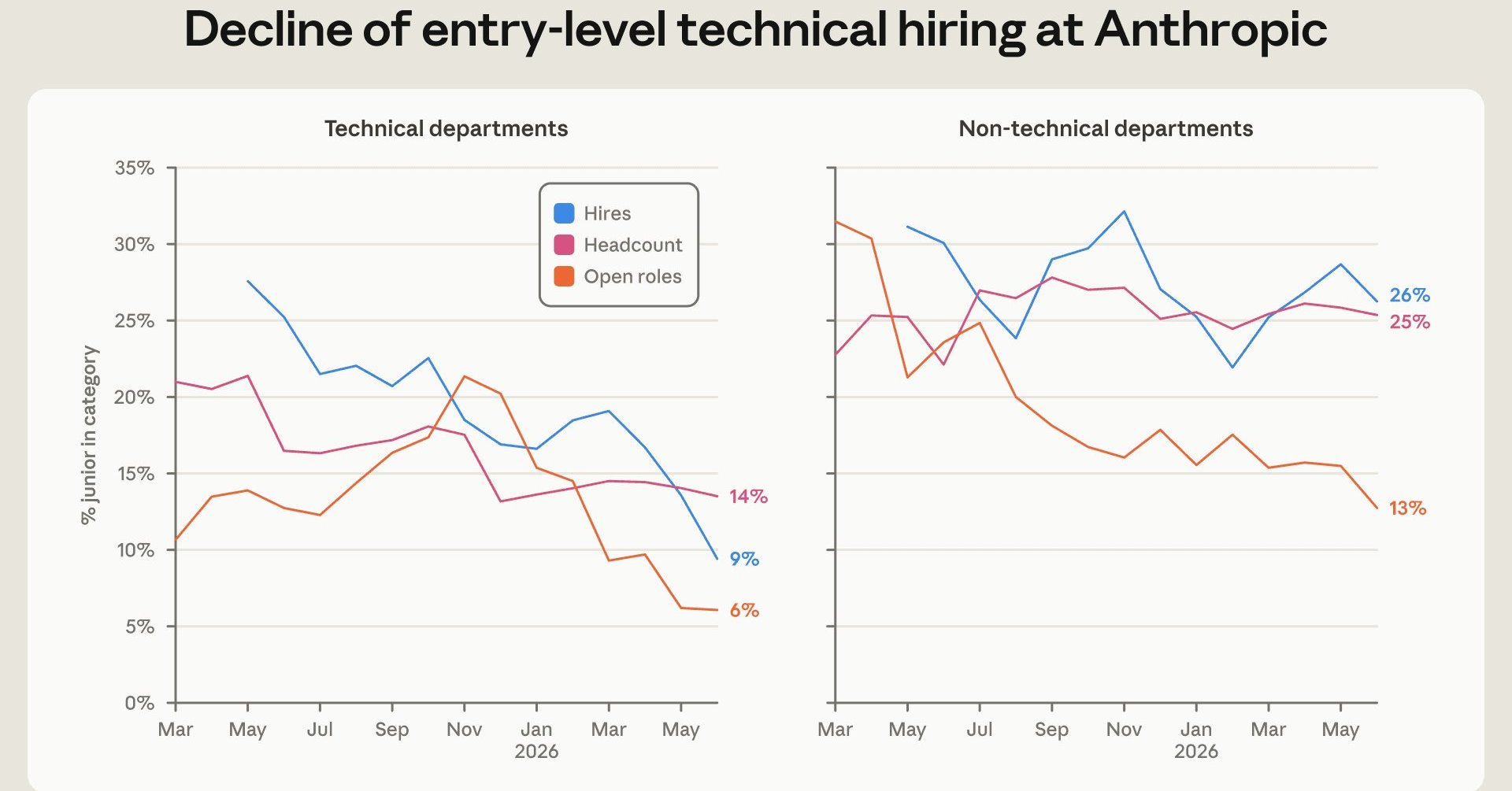
Anthropic's internal report says entry-level workers fell from 21% to 14% of technical staff, and entry-level…
Adam Spatacco chose SK Hynix as his one AI memory stock for the next five years over Micron, citing Counterpoi…
A stock screener names Advanced Micro Devices, USA Rare Earth and one other company as AI-exposed stocks with…
Simon Willison shipped llm-echo 0.5, a debug plugin whose "echo" model involves no LLM at all and just repeats…
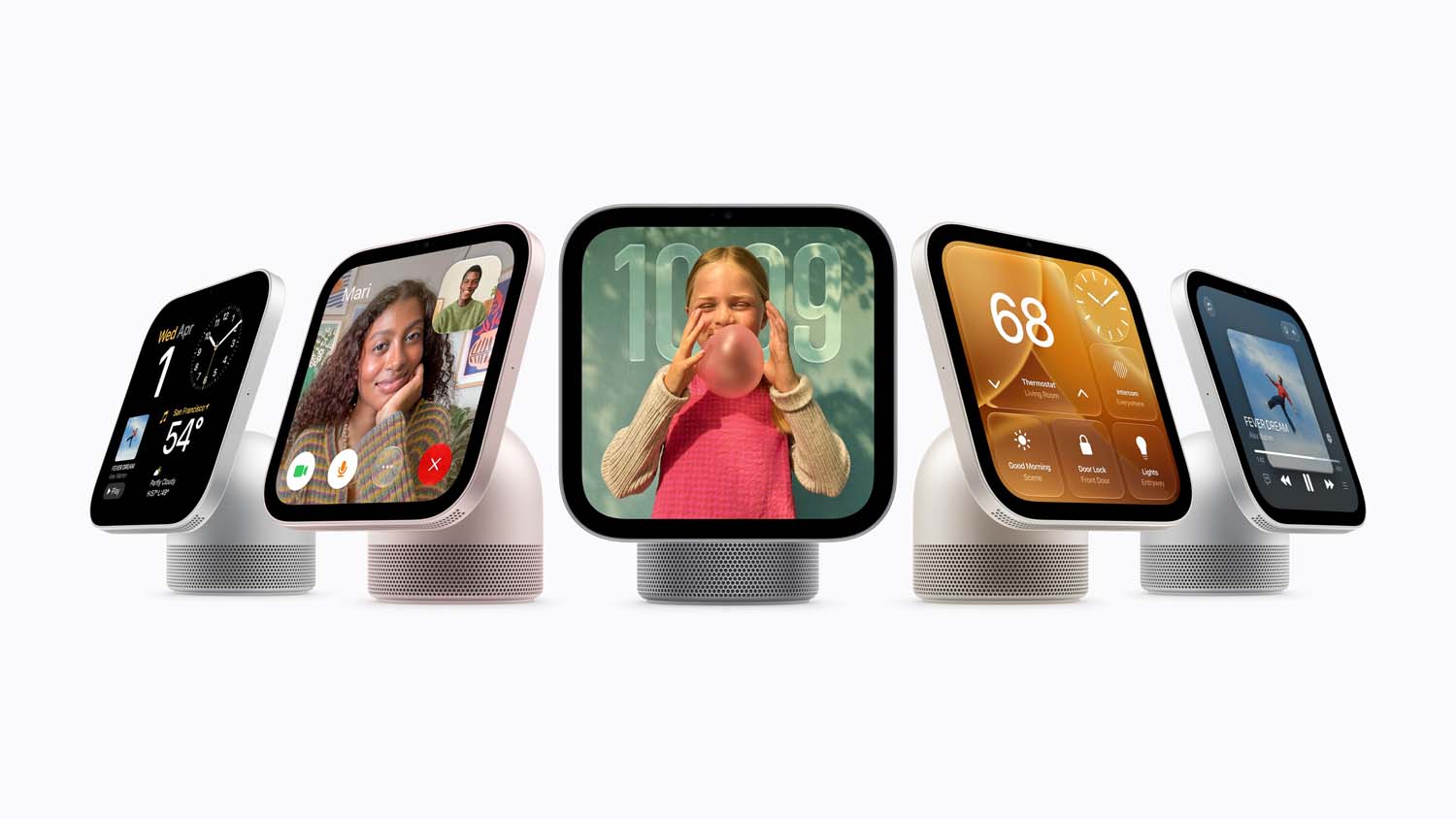
On October 13 (US time), Apple announced HomeView, a $299 smart home display running Siri AI and HomeKit but w…