What happened
Pfizer's leadership laid out a three-part AI strategy focused on structuring 177 years of experimental data, distributing AI decision-making across the organization rather than centralizing it, and certifying employees in AI fundamentals—with 98% of eligible staff already completing the foundational course.
Why it matters
In pharmaceutical R&D, Pfizer's accumulated experimental data (including failed molecules) is a competitive advantage no rival can license; the company believes AI will eventually compress drug development timelines from years to months and redesign how medicines are discovered, developed, and manufactured—though the article notes no medicine designed primarily by AI has yet been approved for patients.
What to watch
Pfizer's Chief Scientific Officer described the goal as an "AI-native organization where every molecule designed and every trial informs the next decision"; the company projects that within five years it will reach a different standard of care, and within a decade will fundamentally change what medicine can do.
Summaries like this, in your inbox every morning.
Pfizer's AI strategy reflects a mature operational philosophy: the company views the real bottleneck not as finding the right AI platform, but as overcoming organizational inertia and building employee capability. This distinction is significant because the pharmaceutical industry has become accustomed to rapid model improvement—the article notes that rival platforms "keep improving to claim the lead within months anyway"—suggesting that platform selection is less defensible as a long-term advantage than the data and organizational structure behind it.
The 177 years of experimental data Pfizer mentions is a rare asset in the AI era. Because pharmaceutical development requires proof of safety and efficacy across diverse patient populations and disease states, historical experimental and clinical data is difficult to recreate or acquire. The company's framing of failed experiments as equally valuable training signals reflects how pharmaceutical R&D actually works: negative results constrain the design space just as much as successes do. This proprietary dataset, combined with a federated organizational model that pushes decision-making to domain experts rather than centralizing it, suggests Pfizer believes the competitive moat is organizational and data-driven, not technological.
The certification program targeting 98% of eligible staff indicates a shift in how Pfizer views AI fluency—not as specialized knowledge confined to a data-science team, but as foundational competency for anyone making decisions. The framing of AI as "creative fuel" that frees scientists and colleagues to do work "only they can do" also reflects tension in the article: while Pfizer is confident AI will transform medicine development, it acknowledges that no AI-designed medicine has been approved yet, and that AI cannot yet run exclusive in-silico simulations to prove safety or cure unknown diseases. The five- to ten-year timeline for breakthroughs is cautious compared to public AI hype, grounding the ambition in the actual regulatory and scientific constraints of drug development.
Pick your industry and the AI tools you use, and get news related to your work every day.
Free · 30 seconds with Google · unsubscribe anytimeWhat is AIToday? →
Ask AI anything about this article. The AI reads this article, earlier AIToday articles, and Wikipedia, and cites its sources. Q&As are published on this page for other readers too.
Chunghwa Telecom president Rong-shy Lin said the shift from conversational AI to autonomous AI agents is resha…
CoreWeave fell 5% in premarket trading Friday and was on track to finish the week down 15%, after rebounding f…
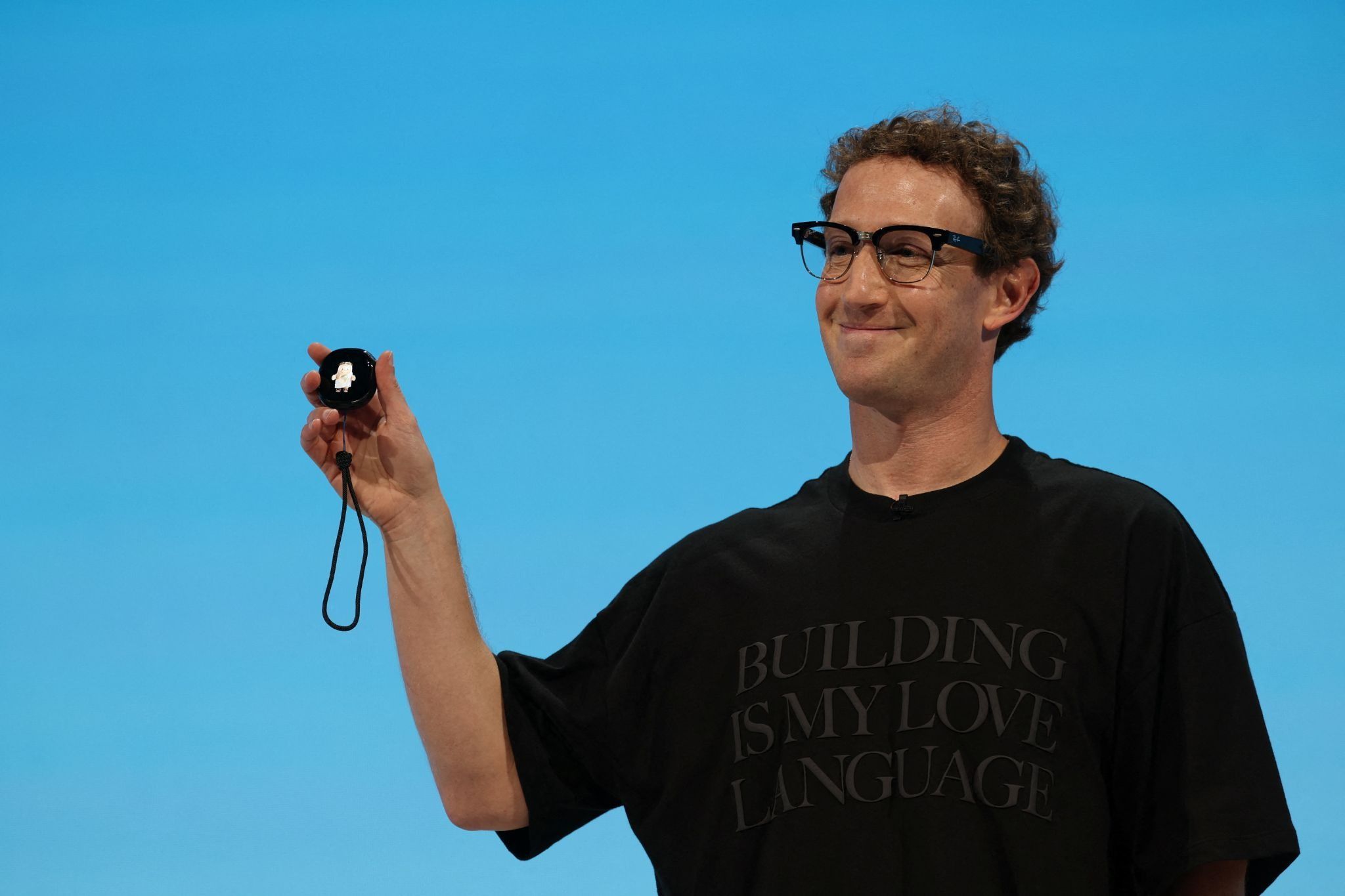
Apple and Meta said they would jointly release a new open-weight AI model designed to run on high-end Macs, ai…
Investors put $38.5 billion into Asian startups in Q3, per Crunchbase data

A longtime Anthropic investor told Fortune he expects shares priced around $1.8 trillion, below the company's…
In Q2, billionaires or their funds sold six 'Magnificent Seven' AI stocks