Industry analysts remain split on whether artificial intelligence represents a bubble, with Nvidia CEO Jensen Huang's $500 billion financing commitment for AI infrastructure positioning the buildout as potentially too systemic to fail quietly.
While neocloud companies like CoreWeave and Nebius posted strong earnings, suggesting real demand, Vellante warned that if capital runs out before AI monetization materializes, the system could face stress.
Furrier argued the bubble may not exist at all if inference workloads and falling costs drive sustained user demand, though Cisco's stock sell-off despite beating earnings shows investors remain uncertain about traditional infrastructure providers' role in the AI boom.
What happened
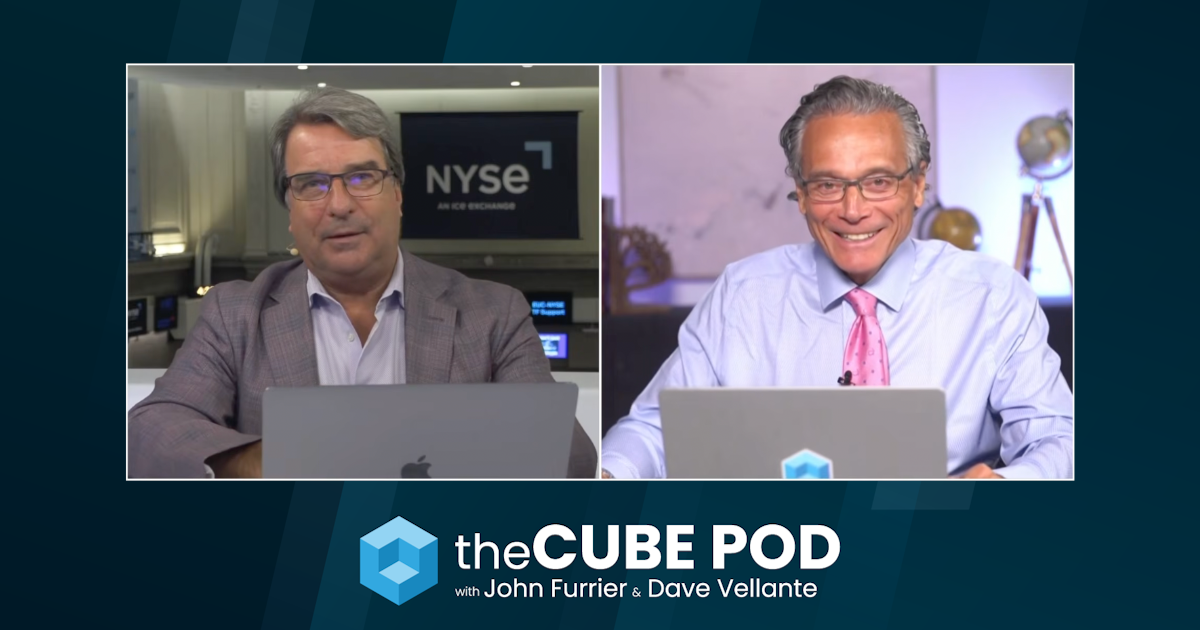
On theCUBE Pod, analysts Dave Vellante and John Furrier debated whether artificial intelligence spending represents a bubble. Vellante argued Nvidia CEO Jensen Huang's $500 billion commitment to independent AI infrastructure financing platforms may delay any potential burst, while Furrier questioned whether a bubble exists at all, citing strong inference demand and upcoming workloads. Separately, neocloud companies CoreWeave and Nebius posted strong earnings—CoreWeave at $2.6 billion in quarterly revenue and Nebius at $582.3 million—while Cisco's earnings beat expectations but saw its stock decline after hours.
Why it matters
The conversation hinges on whether massive AI capital investments can sustain themselves through actual monetization. Vellante warned that if financing dries up before AI produces real economic returns, the system could collapse; he also noted supply constraints in high-bandwidth memory, advanced packaging, and data-center readiness could extend the timeline. Furrier countered that genuine demand from users for AI intelligence—not just hardware—could fuel a prolonged buildout. For investors, the divergence matters: neocloud stocks are being rewarded despite Cisco's strong operational performance being overlooked, suggesting markets may be mispricing traditional infrastructure players that provide the interconnected networks AI requires.
What to watch
Monitor whether neocloud utilization rates translate into sustained profitability as supply scarcity normalizes, and whether Cisco's networking position in the AI infrastructure mix becomes more valued by equity markets. The two competing timelines Vellante outlined—fast IT infrastructure cycles versus decades-long data center, power, and regulatory buildouts—will determine how long any pricing excess can persist.
Ask the AI about this article →
The debate over an AI bubble has shifted from theoretical to structural. Vellante's argument rests on a genuine vulnerability: the two competing timescales in the AI buildout. Fast-cycle IT components (compute, storage, networking) can scale quickly, but the long-cycle infrastructure (data centers, power, regulatory compliance) operates on timelines stretching to decades. This mismatch creates risk: if venture capital or corporate financing dries up before the long-cycle buildout completes, the system faces stress regardless of short-term demand signals. Huang's $500 billion commitment to turn AI compute into collateral addresses this directly—by securitizing AI hardware, he ensures that semiconductor suppliers, neoclouds, and infrastructure investors become systemically linked, raising the cost of any pullback.
Furrier's counterargument—that demand itself may sustain the buildout without a bubble ever forming—hinges on inference workloads and falling costs replacing scarcity-driven pricing. The neocloud revenue numbers (CoreWeave's $2.6 billion quarterly, Nebius's $582.3 million) do suggest utilization is real, though both analysts acknowledged that today's high prices are temporary and driven by supply constraints. The disconnect between Cisco's operational beat (18% top-line growth, 35% product revenue growth) and its after-hours stock decline is telling: investors appear to be pricing in either uncertainty about sustained AI demand or a fear that traditional networking vendors will lose relevance to next-generation cloud players. This market mispricing may offer clues about what investors genuinely believe about the durability of the AI buildout.
AI-summarized, only the topics you pick — one digest a day via Email, Slack, or Discord.
Free · takes 30 seconds · unsubscribe anytime
Ask AI anything about this article. Q&As are published on this page for other readers too.
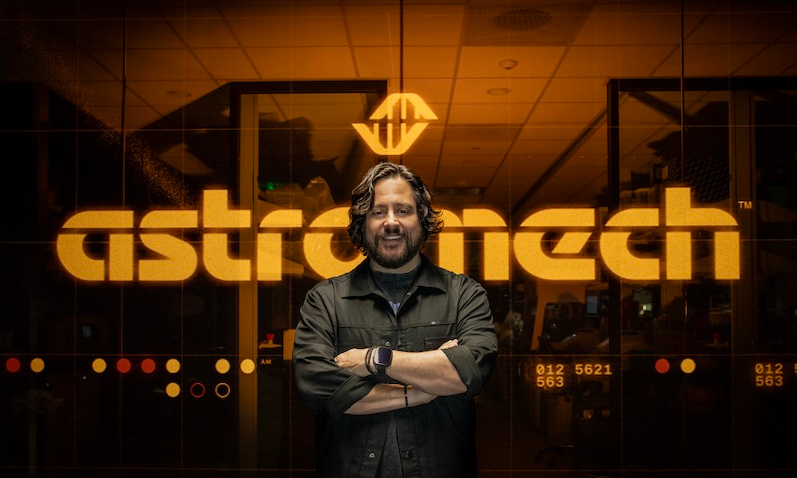
Astromech, an AI startup co-founded by Ben Lamm and geneticist George Church, raised $20 million in funding le…
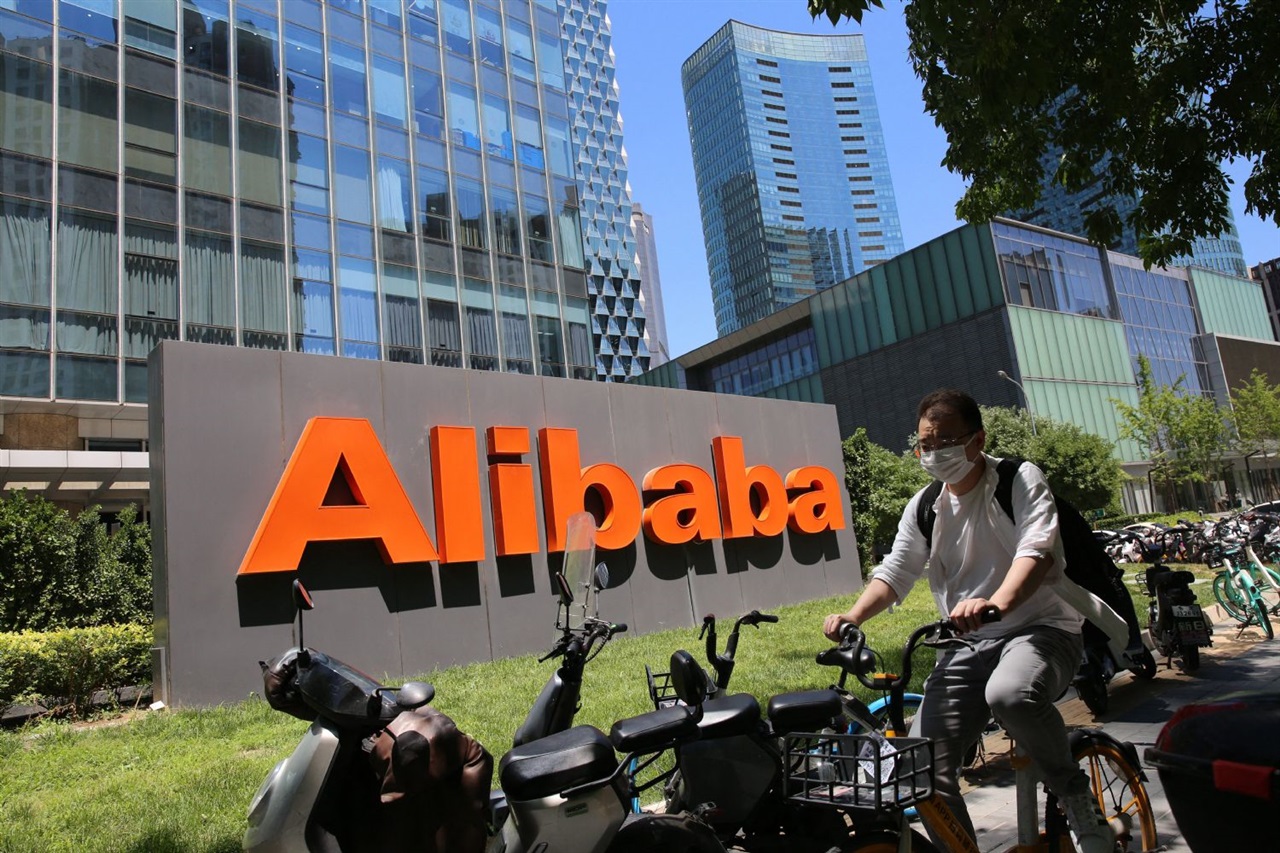
Alibaba is guiding its AI cloud revenue toward a US$10 billion run-rate in the next quarter, signaling that it…
Ode, a venture arm of Anthropic, has acquired Casper Studios to expand its enterprise artificial intelligence…

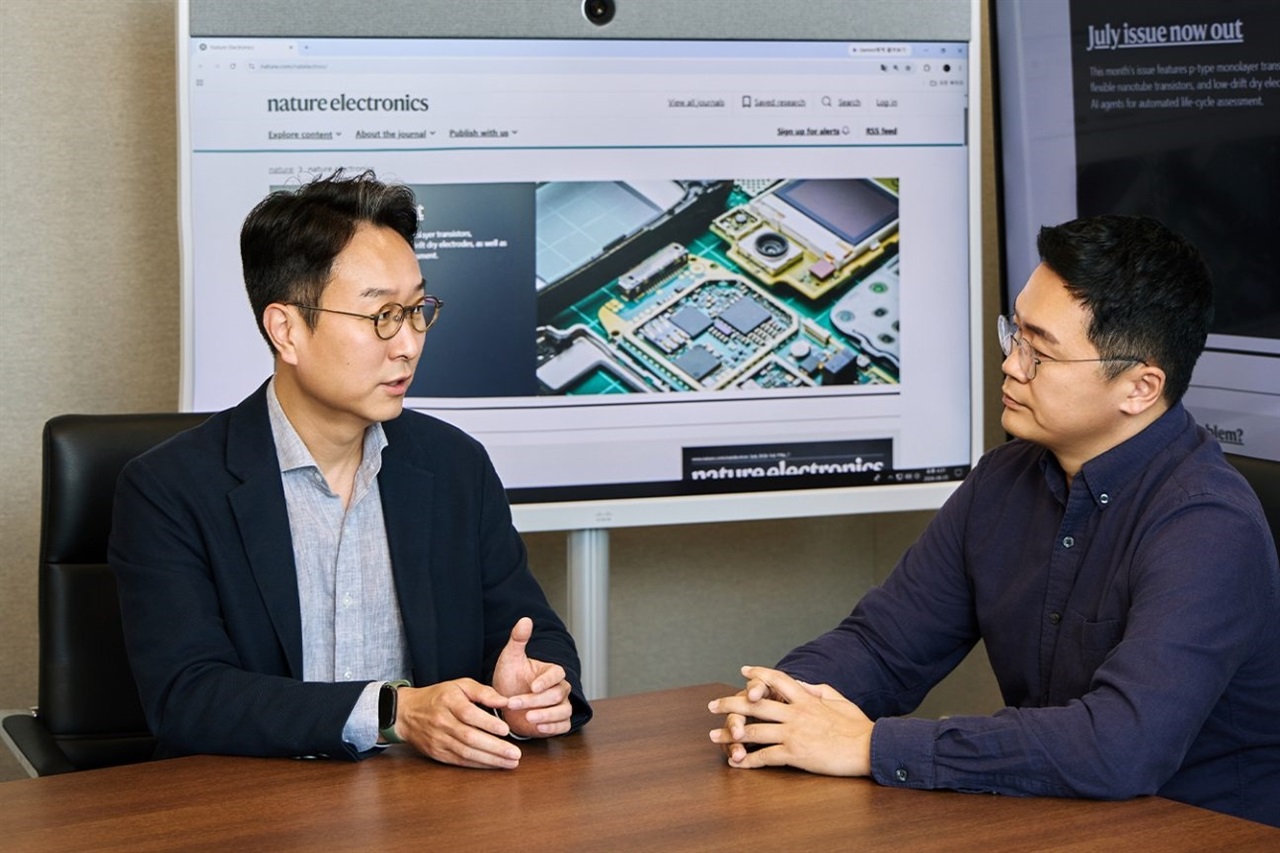
SK hynix, the world's largest supplier of high-bandwidth memory (HBM), has published a technical roadmap for c…
Alibaba Group's June quarter results show cloud AI revenue growing 45%, while capital expenditure (investment…
Anthropic launched Claude Academy on August 20, a free learning site that explains AI fundamentals and how to…