AIToday

Yokohama's hidden food scene rivals famous Chinatown

Japan Times Tech19h agoSend on LINE
Yokohama's hidden food scene rivals famous Chinatown

Key takeaway

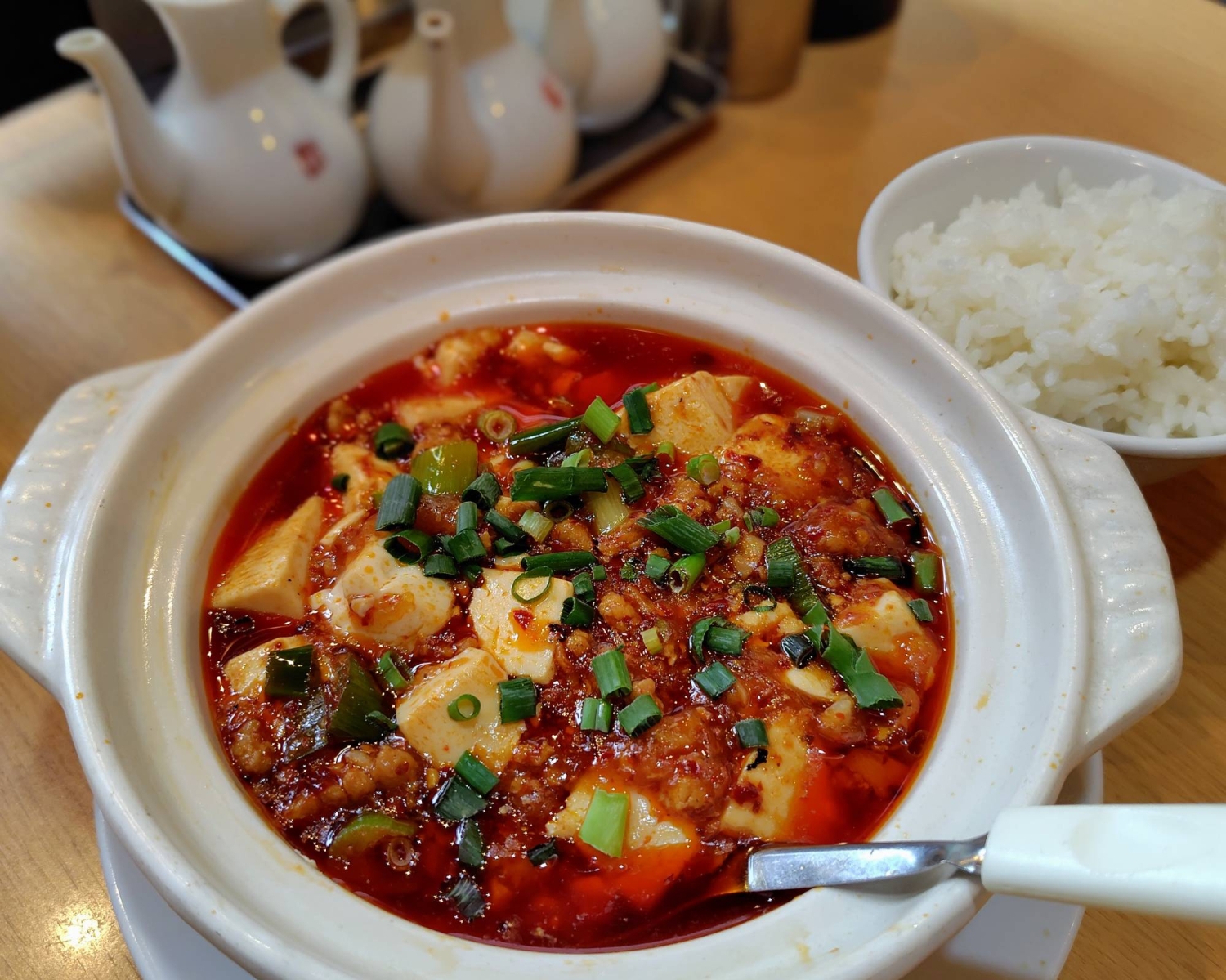
Yokohama's restaurant scene extends far beyond the famous Minato Mirai and Chinatown districts. Neighborhoods like Isezakicho, Nogecho, and Fukutomicho near JR Kannai Station offer authentic local cuisine reflecting the city's gastronomic heritage, including restaurants like Toki that maintain the authenticity of international dishes such as Sichuan mapo tofu.

Summaries like this, in your inbox every morning.

Sign up free →

3 Key Points

  • What happened

    A Japan Times food feature highlights lesser-known restaurants in Yokohama's Isezakicho, Nogecho, and Fukutomicho neighborhoods—areas that developed from a former commoners' district outside a late Edo Period security checkpoint—as compelling alternatives to the crowded Minato Mirai and Chukagai (Chinatown) destinations.

  • Why it matters

    These neighborhoods preserve a different gastronomic history of Yokohama, with down-to-earth eateries that reflect authentic international cuisine, such as Toki's Sichuan "mapo tofu" in Isezakicho, offering visitors a more authentic local dining experience than the well-trodden tourist routes.

  • What to watch

    The story centers on neighborhoods near JR Kannai Station—the former "kannai" (inside the checkpoint) and "kangai" (outside the checkpoint) areas from the Edo Period (1603–1867)—as underappreciated dining destinations worth exploring.

In Depth

Yokohama draws many visitors to two main dining hubs: Minato Mirai, known for sleek shopping complexes and modern international restaurants, and Chukagai, the densely packed historic Chinatown with its street of restaurants, stalls, and mainland-style temples. Yet the article argues that nearby neighborhoods tell a different story about Yokohama's food culture. The key to understanding these areas lies in the city's geography during the late Edo Period (1603–1867), when JR Kannai Station's location coincided with a security checkpoint that divided the area into kannai (inside the checkpoint) and kangai (outside the checkpoint). While the former retained its name and became part of the cosmopolitan downtown including Chukagai, the latter—originally marshland that transformed into a commoners' district—evolved into the charming, restaurant-packed neighborhoods of Isezakicho, Nogecho, and Fukutomicho. One example is Toki, a Sichuan restaurant in Isezakicho, whose mapo tofu reflects the neighborhood restaurants' broader dedication to keeping international dishes as authentic as possible. These down-to-earth eateries offer a contrasting gastronomic identity to the well-trod tourist routes, representing a dimension of Yokohama's food scene often overlooked by first-time visitors.

Context & Analysis

Yokohama's dining reputation typically centers on two well-known destinations: the modern Minato Mirai district and Chukagai, the historic Chinatown. However, the article reveals that the city's gastronomic character extends into neighborhoods with deeper historical roots. The areas of Isezakicho, Nogecho, and Fukutomicho emerged from what was once a commoners' district outside a late Edo Period security checkpoint—the "kangai" or "outside the checkpoint" zone. This historical distinction matters because it shaped a different dining culture than the touristed Chinatown. Today, restaurants in these neighborhoods, such as Toki with its commitment to authentic Sichuan flavors, represent this alternative gastronomic heritage. The piece suggests that visitors seeking genuine local experience rather than tourist-oriented offerings may find more rewarding meals in these overlooked areas near JR Kannai Station.

FAQ

Where are these lesser-known Yokohama neighborhoods located?
The neighborhoods—Isezakicho, Nogecho, and Fukutomicho—are situated near JR Kannai Station, in what was historically the area outside a late Edo Period security checkpoint.
What type of food can visitors find in these areas?
The neighborhoods feature down-to-earth eateries with international cuisine kept as authentic as possible; Toki, a Sichuan restaurant in Isezakicho, exemplifies this commitment with its mapo tofu.

Get AI news like this every morning

AI-summarized, only the topics you pick — one digest a day via Email, Slack, or Discord.

Free · takes 30 seconds · unsubscribe anytime

Discussion

No discussion yet for this article

Stay ahead with AI news

Get curated AI news from 200+ sources delivered daily to your inbox. Free to use.

Get Started Free

Free · takes 30 seconds · unsubscribe anytime

