
The Commerce Department's Bureau of Industry and Security issued a notice on Sunday stating that a license was required to export advanced processors to entities ultimately headquartered in China, closing a loophole in U.S. restrictions.
Advanced AI chips from Nvidia and AMD may have been supplied to subsidiaries of Chinese companies based outside the country for nearly a year, despite broader U.S. restrictions on chip sales to China.
The Trump administration had recently loosened some AI chip sale restrictions, allowing Nvidia to sell its second-most advanced chip to 10 approved entities, but few sales had been made under the new approvals.
Ask the AI about this article →
For example, today's edition would include:
AI-summarized, only the topics you pick — one digest a day via Email, Slack, or Discord.
Free · takes 30 seconds · unsubscribe anytimeWhat is AIToday? →
Ask AI anything about this article. Q&As are published on this page for other readers too.
Goldman Sachs, Morgan Stanley and Citigroup are pressing elite law firms to lower fees, arguing AI is sharply…

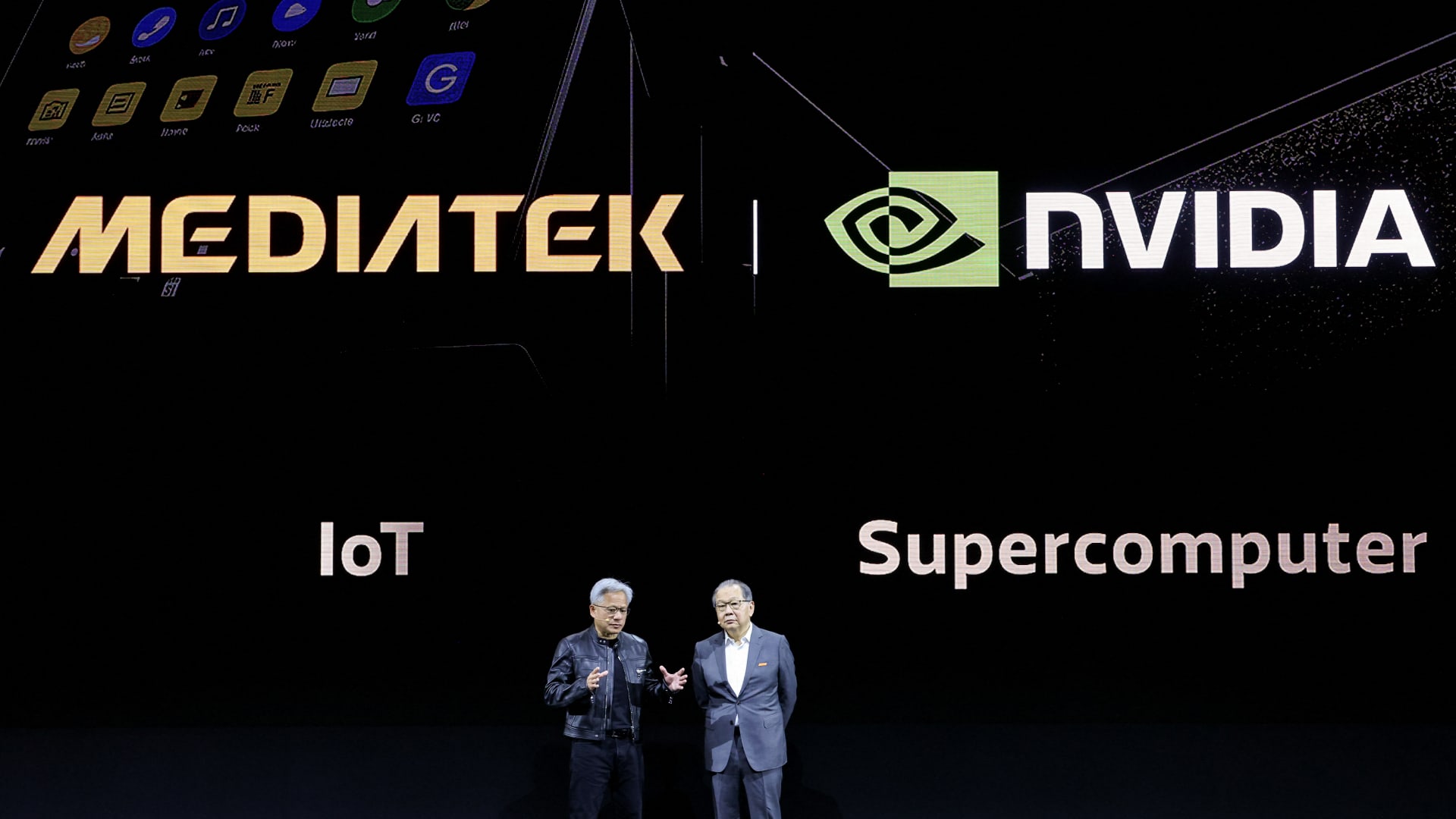
MediaTek shares closed 10% higher on Tuesday after the Taiwanese chip firm announced a partnership with Nvidia
GE Vernova (NYSE: GEV) announced on August 24, 2026, in Paris, a new medium-voltage uninterruptible power supp…

Dell raised its annual revenue outlook, citing strong sales of AI servers

Oracle (ORCL) stock is down 4% to $142.82 in Tuesday afternoon trading, after the 10-year Treasury yield climb…

Tesla's investments in AI startups lag far behind its Magnificent Seven peers