What happened
Meta announced a $1B "Future Is For Everyone Fund" targeting communities affected by its AI infrastructure projects, as CEO Mark Zuckerberg outlined the initiative in a letter. The fund will work with communities to tailor investments around local priorities including public services, job creation, schools, stable utility costs, and environmental stewardship.
Why it matters
A May Gallup poll found 70% of Americans oppose AI-dedicated data centers in their communities, citing resource consumption, environmental impacts, and limited local benefits. Meta's $1B fund is notably small compared with the company's projected $145B in 2026 capital expenditures, most of which will support AI infrastructure and data centers across the US—signaling the company recognizes that community opposition could delay projects and increase permitting costs.
What to watch
Meta plans to release more details about the fund in the coming months. The company also announced plans to sell computing power to other AI companies, a strategy Zuckerberg revealed during Meta's July 2026 earnings call, which could turn excess infrastructure capacity into another revenue stream.
Summaries like this, in your inbox every morning.
Meta's announcement reflects a fundamental shift in how technology companies must approach large-scale infrastructure projects. Historically, tech firms secured local support through promises of jobs and economic growth, and municipalities competed aggressively for such investments. That dynamic has reversed. The Gallup poll showing 70% American opposition to local AI data centers indicates a new skepticism about whether these projects deliver meaningful community benefits—a contrast to earlier tech expansions. Communities now question who receives the benefits of AI infrastructure and express concerns about resource consumption and environmental impact.
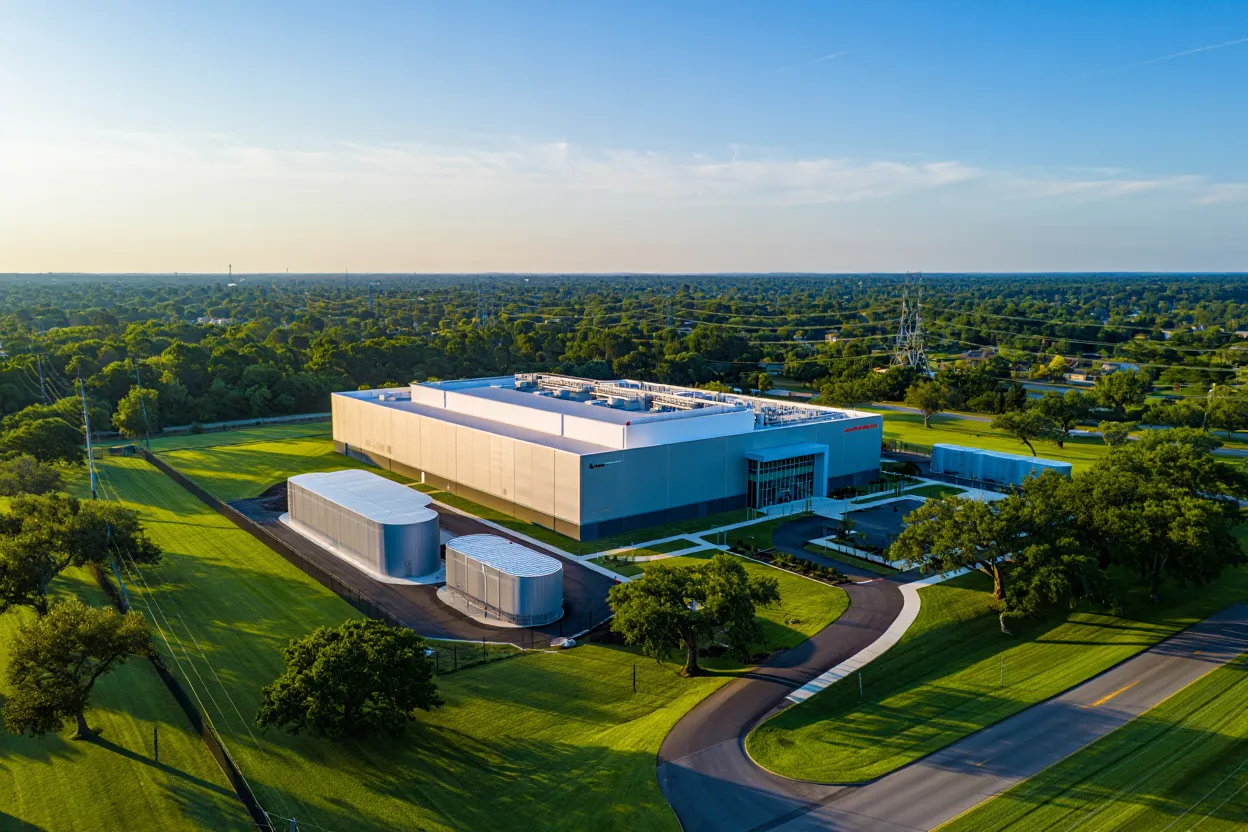
The $1B fund size relative to Meta's $145B projected 2026 capital expenditure underscores the genuine tension at stake. While analysts view the fund as Meta's strategy to mitigate backlash, the disparity suggests the company is allocating a modest share of its massive spending to address community concerns. Meta's existing $10B Louisiana data center project illustrates the challenge: promised economic benefits have been accompanied by local controversy. As the body notes, success now depends on local approval alongside technical and financial feasibility—a requirement that could delay projects and increase permitting costs if community opposition hardens.
Pick your industry and the AI tools you use, and get news related to your work every day.
Free · 30 seconds with Google · unsubscribe anytimeWhat is AIToday? →
Ask AI anything about this article. The AI reads this article, earlier AIToday articles, and Wikipedia, and cites its sources. Q&As are published on this page for other readers too.
The Motley Fool argues Amazon is the AI company of the two, since AWS was just 21% of first-half 2026 revenue…

Hewlett Packard Enterprise stock is down 5% at $55.87

Meta's new commercial terms, effective October 30th, appear to let it crawl and train AI on content from websi…

Vercel data published Thursday shows TypeSafe AI's Jev, a lightweight decision model for choosing among predet…

Chunghwa Telecom president Rong-shy Lin said the shift from conversational AI to autonomous AI agents is resha…

CoreWeave fell 5% in premarket trading Friday and was on track to finish the week down 15%, after rebounding f…