
What happened
AMD published Nitro-P, a 679M-parameter pixel-space text-to-image model that drops the VAE decoder for a lightweight U-Net, hitting 0.88 GenEval at 10.26 samples/s at 512×512 on one AMD Instinct MI300X.
Why it matters
This shows AMD's own silicon can run a competitive text-to-image model without the extra decoding step, a shift from the export-policy headlines that have dominated recent AMD coverage.
WHO IT HITSAI researchers and engineers evaluating text-to-image models on AMD hardware will see a published, VAE-free option with measured throughput on a single MI300X, which may inform their choice of model architecture for image generation pipelines.
Summaries like this, every morning.
Nitro-P arrives as part of AMD's broader push into AI research, not just hardware. The model is described by its authors as extending the Nitro family from latent-space text-to-image generation to a VAE-free pixel-space design. That means it generates images directly in pixel space rather than first producing a compressed latent representation and then decoding it, a step that typically adds compute and complexity.
The training setup is notable for its scale and schedule. The team used 25M text-image pairs and a resolution curriculum that moved from 256×256 to 512×512 and finally to 1024×1024. Text conditioning relies on Qwen3-1.7B, which the authors say better handles color and spatial relationships than Llama 3.2 1B. The result is a model that can be run on a single AMD Instinct MI300X, with a one-step distilled variant trading a small GenEval drop for a large throughput gain.
Within AMD's recent coverage, this paper stands out. Most tracked stories in the last 90 days have focused on export policy rather than research. A pixel-space text-to-image model shipping on AMD's own silicon suggests the company is also investing in the software and model side of its AI stack, though how widely it will be adopted remains to be seen.
Pick your industry and the AI tools you use, and get news related to your work every day.
Free · 30 seconds with Google · unsubscribe anytimeWhat is AIToday? →
Ask AI anything about this article. The AI reads this article, earlier AIToday articles, and Wikipedia, and cites its sources. Q&As are published on this page for other readers too.
Uravation analyzed 31,734 images submitted to its free AI Image Checker from September 16 to November 1, 2026…

Google search VP Robby Stein confirmed on X that the redesigned desktop page at Google.com is now official aft…
Coca-Cola has moved its holiday advertising work to Ogilvy, ending a two-year run of AI-generated truck ads

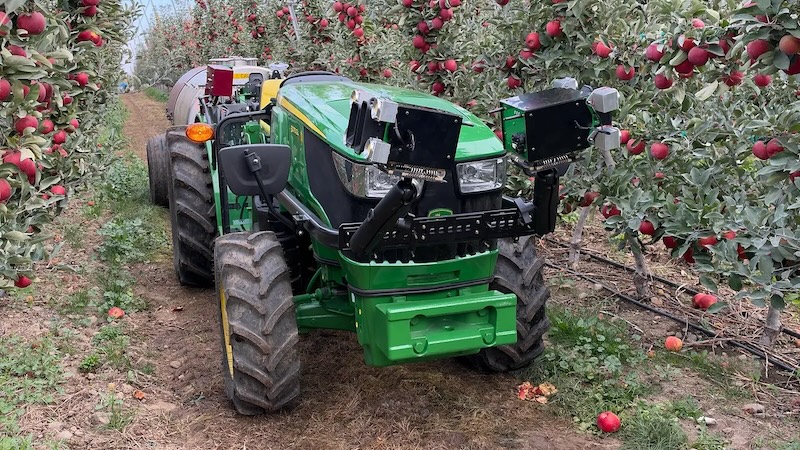
John Deere announced the acquisition of Orchard AI, a San Francisco company whose vehicle-mounted, AI-powered…
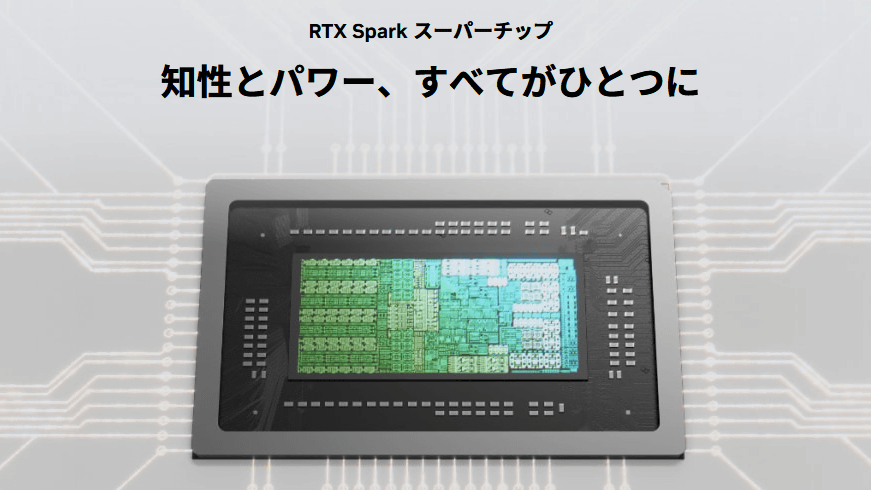
LTT Labs tested the RTX Spark-based ASUS ProArt P16 H7607 (64GB) against NVIDIA DGX Spark and AMD Ryzen AI Hal…
TikTok released "Identify AI-Generated Content" on 11月20日, letting anyone — even without an account — upload i…