What happened
Cisco built MyAgent in August to centralize all company-authorized AI models, agents and enterprise data into one platform. About 90,000 employees have access, with 50% daily adoption in two weeks and 700 employee-created agents already authorized.
Why it matters
By controlling its entire agentic ecosystem internally, Cisco aims to prevent "agent sprawl" and maintain full visibility over AI agents, limiting unauthorized third-party agents and their associated risks.
What to watch
The 50% daily adoption figure comes from Cisco's own internal rollout, so its relevance to other enterprises depends on whether similar centralized control is feasible at comparable scale. Watch whether the company authorizes any third-party AI agents in the future.
WHO IT HITSEnterprise IT and security teams at large organizations will see Cisco's centralized agent platform as a potential model for managing AI agent sprawl and maintaining oversight. Chief information officers and chief technology officers evaluating similar governance structures may face decisions about balancing open agent ecosystems with controlled internal platforms.
Summaries like this, in your inbox every morning.
Cisco's MyAgent rollout follows a period of growing concern among technology leaders about autonomous AI agents acting unpredictably. While some AI labs have publicly called for slowing development and others have resisted, Cisco's response was to build an internal platform that centralizes all authorized AI models and agents under one system, rather than relying on multiple external vendors.
The company's approach reflects a broader tension in the enterprise AI landscape, where CIOs are trying to capture productivity gains from agentic AI while containing the risks of opaque, interconnected autonomous systems. By requiring employee-created agents to be approved by a centralized team, Cisco has opted for full internal control and visibility over its agentic ecosystem. The reported adoption figures—50% daily usage among 90,000 employees within two weeks and 700 authorized employee-created agents—suggest that demand for agent tools inside a large organization can scale quickly when a centralized platform is available.
The outcome hinges on whether Cisco's model remains sustainable as the number of employee-created agents grows and whether other enterprises find similar centralization feasible. Much depends on how quickly governance practices can keep pace with the proliferation of agents and the associated risks that security leaders are only beginning to understand.
For example, today's edition would include:
AI-summarized, only the topics you pick — one digest a day via Email, Slack, or Discord.
Free · 30 seconds with Google · unsubscribe anytimeWhat is AIToday? →
Ask AI anything about this article. Q&As are published on this page for other readers too.
Anthropic merged chatbot Claude with agentic tool Claude Cowork effective immediately, and launched Claude Doc…

Hang Ten Systems Inc., founded by ex-Infosys chief Vishal Sikka, announced a $53 million second seed round led…

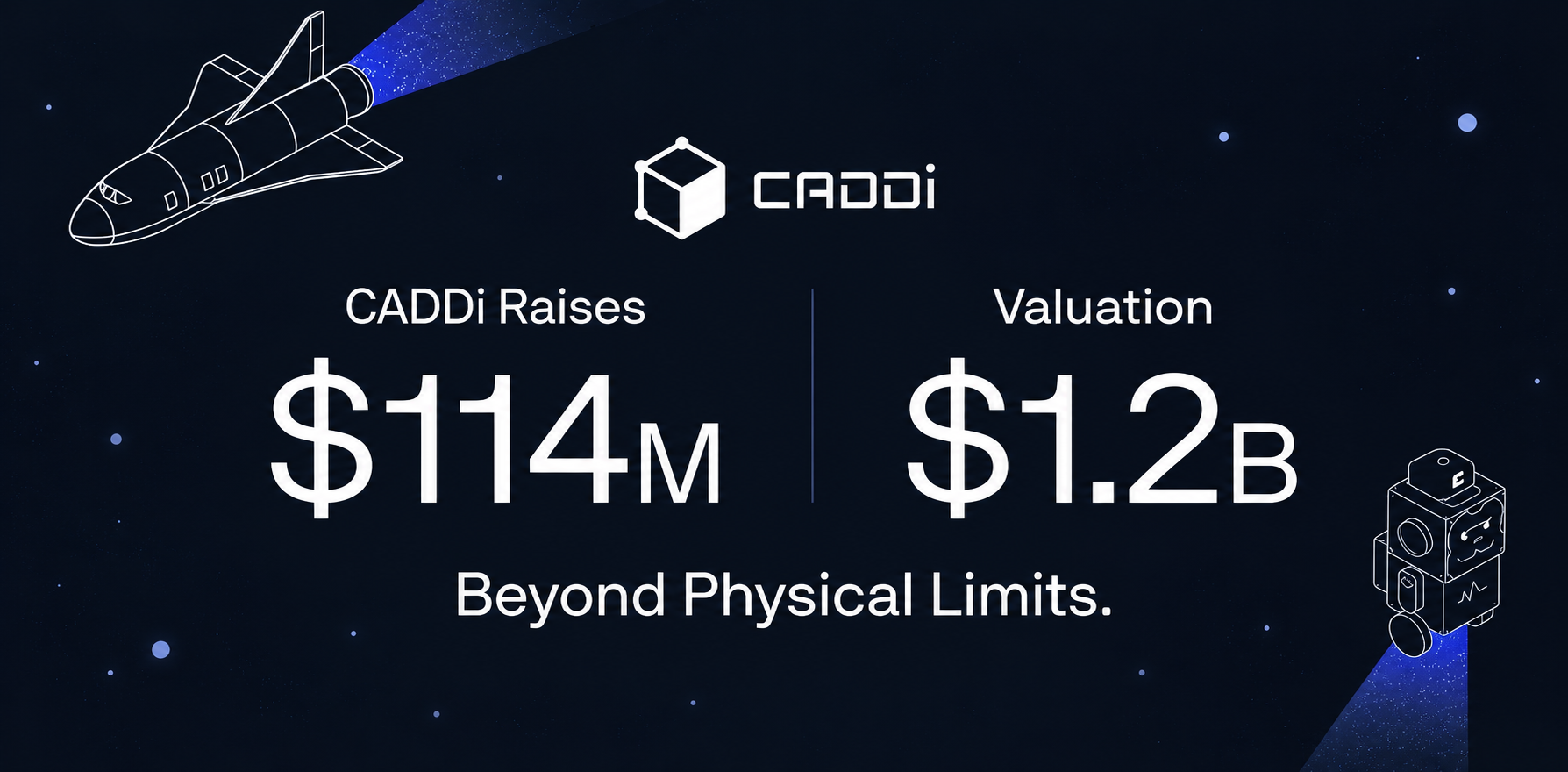
CADDi raised $114 million at a $1.2 billion valuation, versus the $470 million it reported at its March 2025 S…
Cohere and Aleph Alpha signed a merger agreement today, formalizing an April plan; the combined company will r…
Elon Musk has hinted at a Tesla-SpaceX merger, according to DIGITIMES, which notes the two companies are alrea…

Anthropic said on September 16 it is merging Claude's chat and the agentic workspace Claude Cowork, adding Cla…