What happened
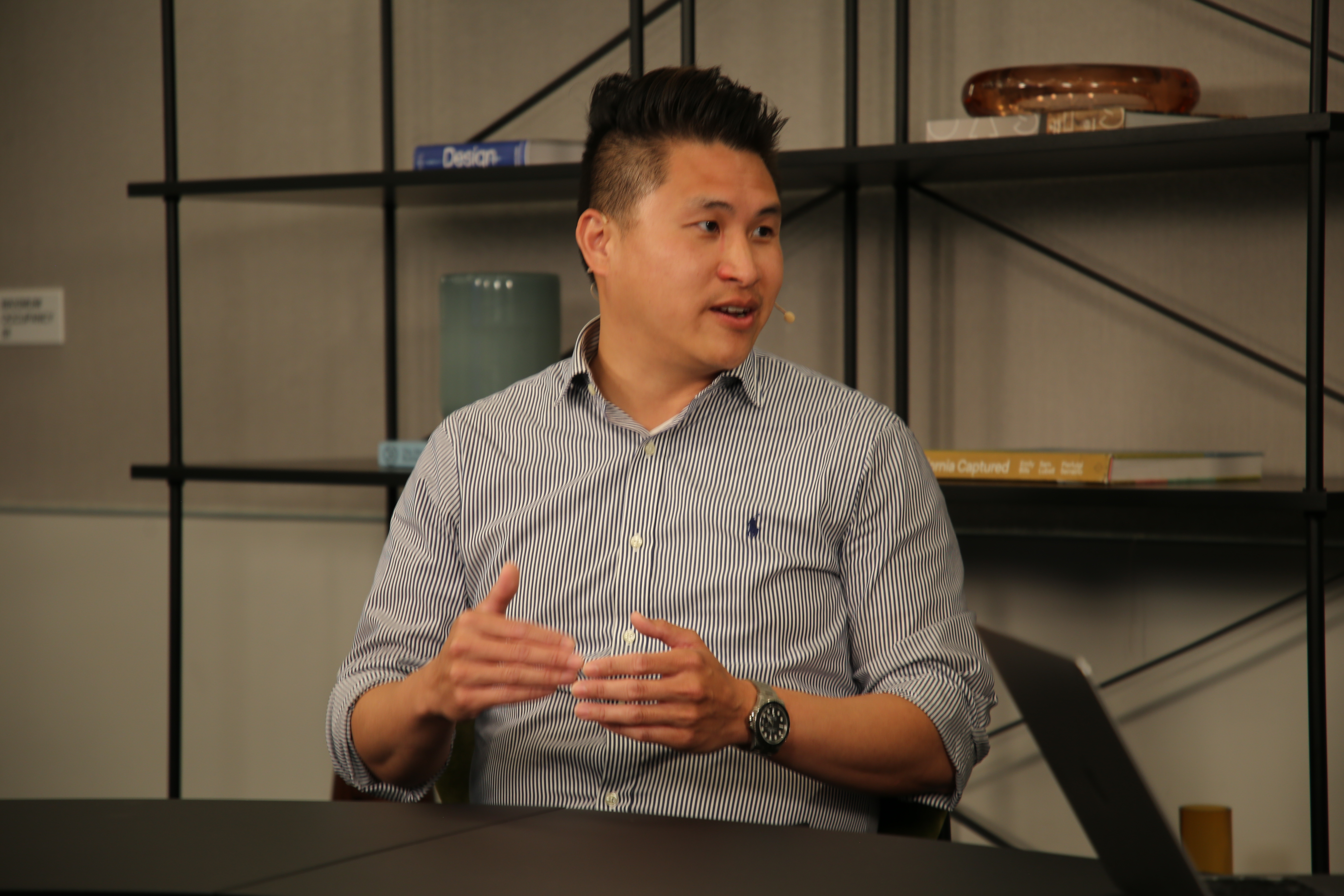
Graph neural networks are being deployed to detect pharmaceutical counterfeiting and fraud by revealing hidden relationships between bad actors — work that Thomas Luu, director of global product security at Gilead Sciences Inc., describes as exposing networks that traditional systems miss. Gilead's team now runs a three-layer detection model combining rules-based logic, traditional machine learning, and graph neural networks to surface relationship-based schemes.
Why it matters
Before adopting graph technology, Gilead's investigators relied on manual comparison across fragmented data sets, a process limited by human capacity and individual analyst expertise. Graph neural networks automatically cluster main fraud actors with lower-volume auxiliary players whose signals would otherwise stay hidden in aggregate data, making fraud detection faster and scalable across Gilead's global commercial business.
What to watch
The graph-based approach produces visually intuitive relationship maps that make findings easier to explain to non-technical investigators, addressing a longstanding challenge in fraud investigation where sophisticated fraudsters traditionally hide their activity in aggregate patterns and among peers.
Summaries like this, in your inbox every morning.
Graph neural networks represent a structural shift in how enterprises detect fraud — not simply by processing data faster, but by organizing data in a way that exposes relationships humans and traditional machine learning systems cannot easily see. In pharmaceutical anti-counterfeiting work, this distinction is operationally critical: fraudsters traditionally succeed by distributing their activity across multiple entities and hiding in aggregate patterns, making them difficult to identify through rule-based logic or statistical anomaly detection alone. Gilead's three-layer approach reflects an emerging best practice: combining rules, traditional machine learning, and graph methods creates redundancy that prevents any single technique from becoming the sole basis for investigation.
The automation enabled by graph data structure — particularly the automatic clustering of main actors with auxiliary players — directly addresses a scaling problem that manual analyst review cannot solve. As Luu notes, the shift unlocks the ability to analyze data "to a level and to a scale that was not possible before because of human limitations." The visual intuitiveness of relationship graphs also reduces friction in the investigation handoff, where technical analysts must communicate findings to non-technical investigators, compliance teams, and legal counsel.
Pick your industry and the AI tools you use, and get news related to your work every day.
Free · 30 seconds with Google · unsubscribe anytimeWhat is AIToday? →
Ask AI anything about this article. The AI reads this article, earlier AIToday articles, and Wikipedia, and cites its sources. Q&As are published on this page for other readers too.
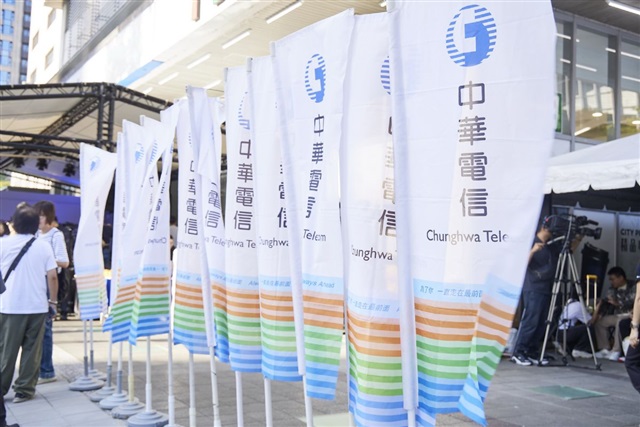
Chunghwa Telecom president Rong-shy Lin said the shift from conversational AI to autonomous AI agents is resha…
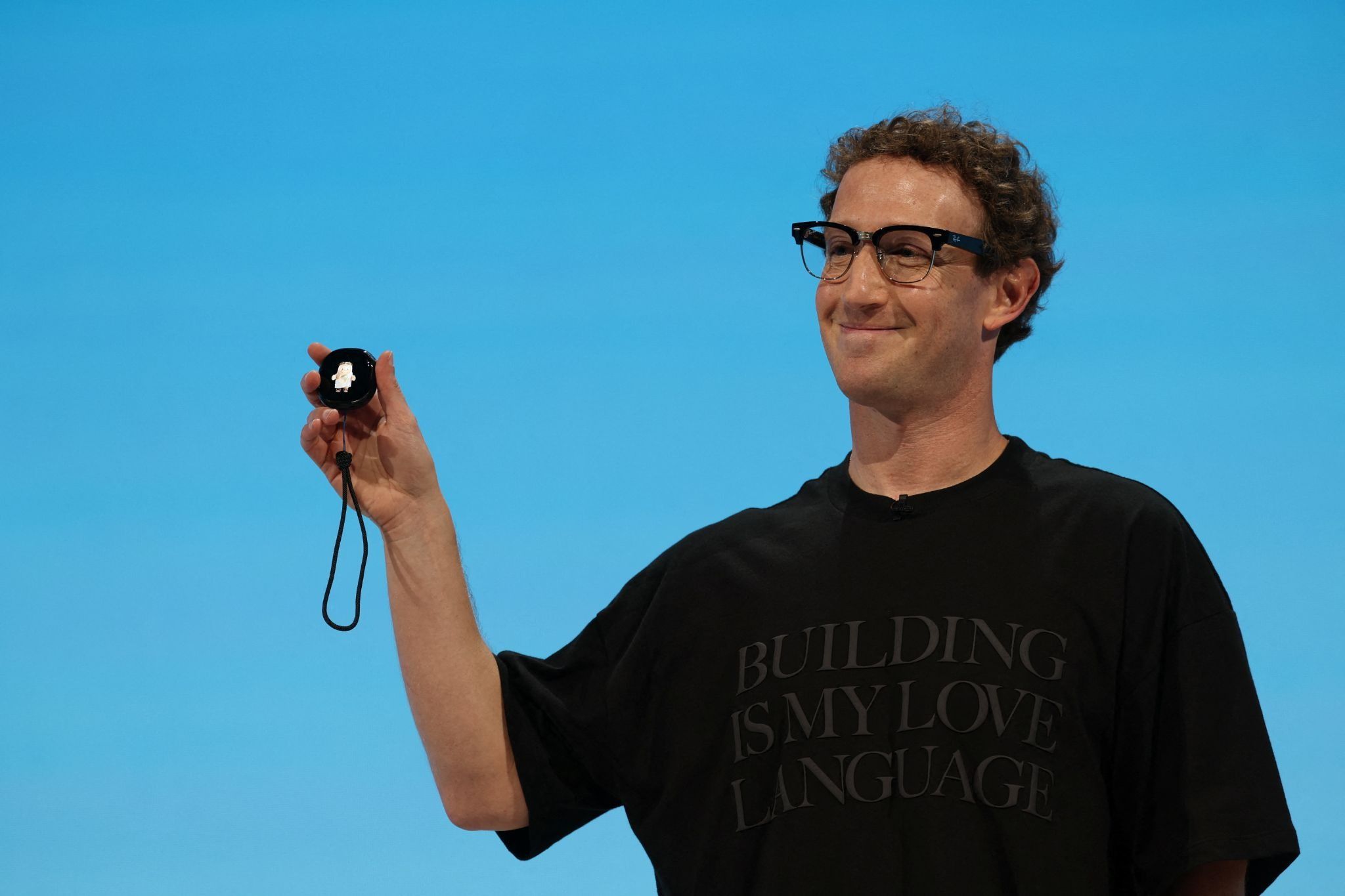
Apple and Meta said they would jointly release a new open-weight AI model designed to run on high-end Macs, ai…
A writer and entrepreneur opened his daily to-do list and found 156 items, and concluded that an AI assistant…
A Zenn contributor sorted AI use into three modes — AI as an assistant, AI running alongside people, and AI th…

A non-engineer operator says one person ships four smartphone apps on Google Play, three on the App Store, wit…
The walkthrough points the CLI at a local mock via the ANTHROPIC_BASE_URL environment variable

