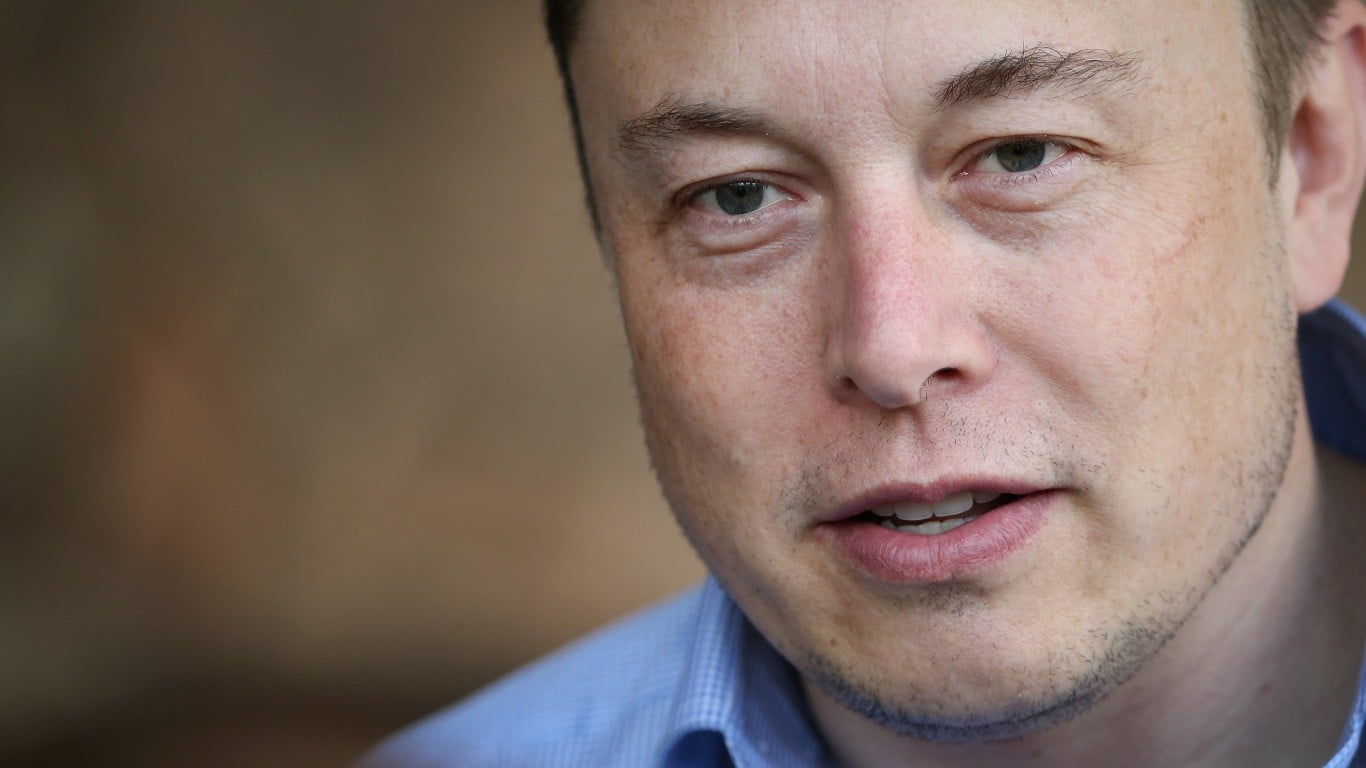
What happened
An analyst argues Tesla is better positioned than SpaceX among Elon Musk's public companies, citing Tesla's pivot toward physical AI (Optimus robots, Terafab hardware, xAI compute) rather than vehicle sales, while SpaceX pursues satellite connectivity (Starlink) and lunar ambitions.
Why it matters
Both companies trade at valuations that are extremely difficult to justify using traditional financial metrics—Tesla at roughly 300.0 times trailing price-to-earnings—because their timelines for commercializing robotics, asteroid mining, and lunar manufacturing remain uncertain. For investors, this means volatility will likely persist until these ventures produce cash flow.
What to watch
Whether Optimus robots can reach commercial viability; SpaceX's next Starship launches and earnings disclosures; and whether Tesla's near-term spending on AI infrastructure can eventually translate into profit-generating robotics business rather than ongoing cash burn.
Summaries like this, in your inbox every morning.
Both Tesla and SpaceX represent extreme valuation cases that defy conventional financial analysis. Tesla trades at roughly 300.0 times trailing price-to-earnings, a multiple that assumes massive future earnings from robotics and AI—businesses that do not yet generate meaningful revenue. SpaceX, valued at $1.5 trillion, faces an even greater challenge: investors must somehow factor in speculative ventures like asteroid mining and lunar manufacturing into its financial picture. The analyst's argument rests on a reframing of Tesla's identity: rather than viewing the company as burning cash on unprofitable cars and robotaxi experiments, he positions it as building foundational infrastructure (compute, hardware, intelligence) needed to launch a robotics business in the coming years. This shift in perspective helps explain why Musk would justify such aggressive spending despite near-term losses. For SpaceX, the thesis is similar but more distant—projects like Starlink offer nearer-term cash generation, but the truly transformative bets (asteroid mining, lunar manufacturing) require robotics breakthroughs, which Tesla must achieve first. The analyst's conclusion that Tesla may "catch that bid higher ahead of SpaceX" reflects a timing argument: Tesla's Optimus milestone, if reached, unlocks value sooner and also de-risks SpaceX's more ambitious plans by proving robotics work at scale.
Pick your industry and the AI tools you use, and get news related to your work every day.
Free · 30 seconds with Google · unsubscribe anytimeWhat is AIToday? →
Ask AI anything about this article. The AI reads this article, earlier AIToday articles, and Wikipedia, and cites its sources. Q&As are published on this page for other readers too.
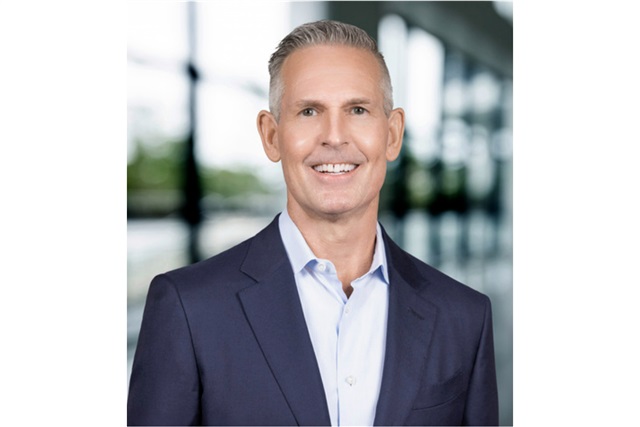
Supermicro Computer appointed Mark Long as chief financial officer, bringing an experienced technology finance…
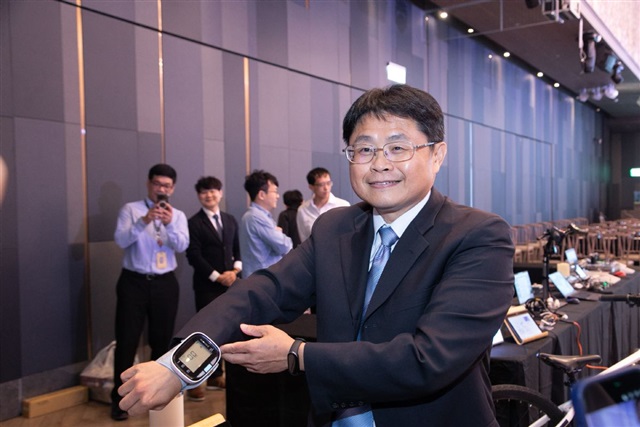
Holtek Semiconductor unveiled its 2026 product roadmap on October 15, focusing on four core areas: smart prote…
TSMC reported about NT$763.1b in Q3 net profit and confirmed that demand for advanced processors is running ah…
Nvidia-backed CoreWeave steadied Thursday after a sharp slump, as investors worried about the debt financing b…
TOPPAN Holdings and Keio University ran a quantum-computer and generative-AI proof-of-concept from February 1…
Weathernews said on October 15 it implemented its own AI weather-forecasting model, AI-Nowcast, in its Weather…