What happened
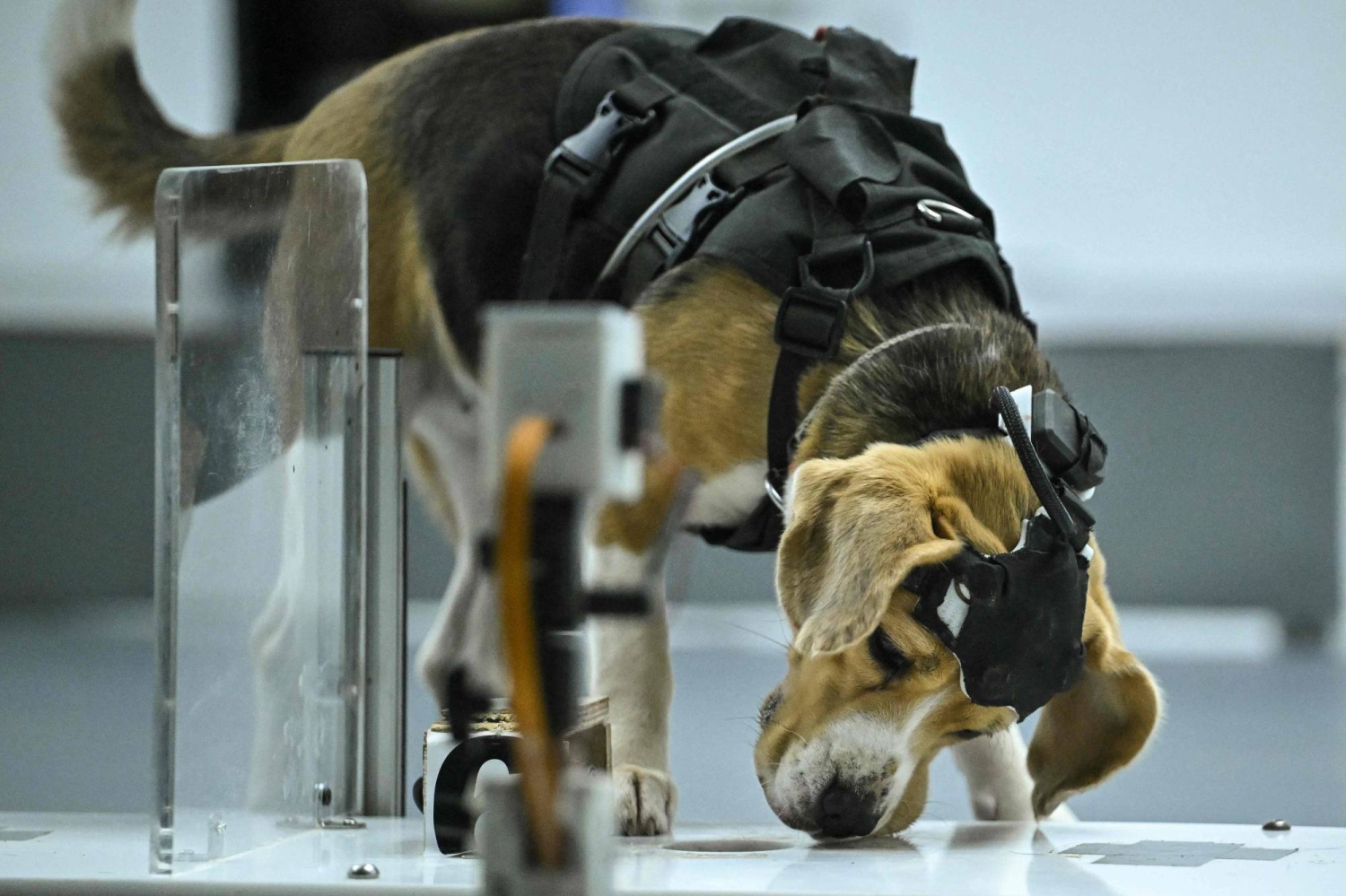
Rescue dog Chloe is being trained at a facility outside Bengaluru, India, to detect cancer by sniffing human breath, with help from artificial intelligence.
Why it matters
The project is part of experimental efforts to create a noninvasive test, drawing on growing global research that dogs can be trained to detect illnesses from Parkinson's to COVID-19.
What to watch
The test's success hinges on whether dogs' olfactory abilities, enhanced by AI sensors, can be reliably translated into a practical screening tool for early cancer detection.
WHO IT HITSMedical researchers and diagnostic companies developing noninvasive cancer screening methods could be affected, as this approach might offer an alternative to invasive procedures. Healthcare providers in India, where many patients are diagnosed late, could also gain from an early detection tool.
Summaries like this, in your inbox every morning.
The experimental project in Bengaluru, India, builds on a growing body of global research suggesting that dogs' extraordinary sense of smell can be trained to detect human illnesses. The Dognosis facility is part of these efforts, aiming to develop a noninvasive test for cancer, which stands out because early detection can make a crucial difference to survival rates. In India, many patients are only diagnosed after the disease has advanced, making this diagnostic research potentially significant.
Chloe's work is a concrete example of this research in practice. The combination of a rescue dog's natural abilities with AI-enabled sensor equipment shows how the approach is moving beyond observational studies. The project appears to be at an experimental stage. Whether it can demonstrate reliable accuracy outside the laboratory is likely to be the key condition for any future use as a standard screening tool, potentially offering an alternative to more invasive diagnostic methods.
Pick your industry and the AI tools you use, and get news related to your work every day.
Free · 30 seconds with Google · unsubscribe anytimeWhat is AIToday? →
Ask AI anything about this article. The AI reads this article, earlier AIToday articles, and Wikipedia, and cites its sources. Q&As are published on this page for other readers too.
At the Smarsh EDGE event, Smarsh Inc

The Nasdaq Composite slid 2.6% to 26,008.86, its biggest one-day percentage drop since June 5

SpaceX's $40 billion debt raise, led by Apollo and Goldman Sachs, is expected to price its lowest-rated portio…

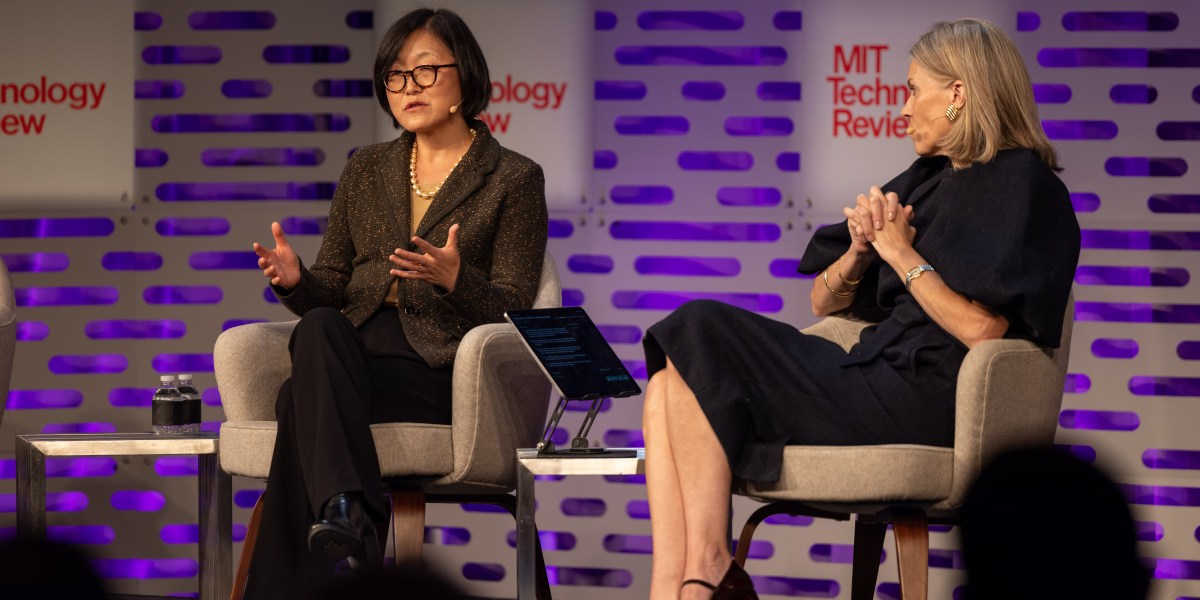
Vanguard's Jing Wang, who leads its Center for AI & Insights, is leading an EmTech Future session on building…
Meta removed "train" from business terms effective October 30th after publisher backlash, but experts tell Nie…
OpenAI's Decisions API became available to all customers on Thursday, after being announced at its developer d…