What happened
Oracle has prohibited developers from submitting AI-generated code to OpenJDK, the open-source Java project it stewards, citing safety, security, and intellectual property risks. Developers may use large language models privately for debugging and code review, but cannot contribute AI-generated material to repositories, pull requests, or project channels.
Why it matters
The policy creates a striking contradiction with Oracle's own internal strategy—co-founder Larry Ellison has stated that AI models now write Oracle's code, and co-CEO Mike Sicilia has credited AI tools with helping smaller engineering teams move faster. The public ban on AI contributions to an open-source project while embracing AI internally raises questions about Oracle's confidence in AI-generated code quality or its liability concerns when code is submitted externally.
What to watch
Oracle is investing $70 billion this year in datacentre expansion, a commitment that prompted credit agency S&P to downgrade the company's rating to BBB-, one notch above junk status, citing uncertain returns on investment. The tension between this massive capital deployment and conservative policies on open-source contribution may signal how Oracle plans to compete in the AI infrastructure market.
Summaries like this, in your inbox every morning.
Oracle's ban on AI-generated code in OpenJDK stands in sharp tension with the company's public statements about its own AI-driven development. While the policy invokes safety, security, and intellectual property as justifications, the contrast with leadership's own embrace of AI-written code suggests Oracle may be drawing a distinction between code it controls internally and code submitted by external contributors—where liability, code quality assurance, and IP attribution become more complex. This conservative stance on open-source contributions may reflect concerns about the legal exposure or technical reliability of AI-generated submissions in a widely-used project, even if Oracle's own engineers rely on similar tools.
Pick your industry and the AI tools you use, and get news related to your work every day.
Free · 30 seconds with Google · unsubscribe anytimeWhat is AIToday? →
Ask AI anything about this article. The AI reads this article, earlier AIToday articles, and Wikipedia, and cites its sources. Q&As are published on this page for other readers too.
Anthropic gave six METR staffers hardware, office space and internal tools, putting them roughly on par with i…

Cammarata reinterprets InceptionV1's cat-car neuron as a V-shape detector, not two unrelated concepts

Vercel data published Thursday shows TypeSafe AI's Jev, a lightweight decision model for choosing among predet…
Reflection AI introduced Beam, an open-weight model for agentic coding and long-horizon tasks, with 501 billio…
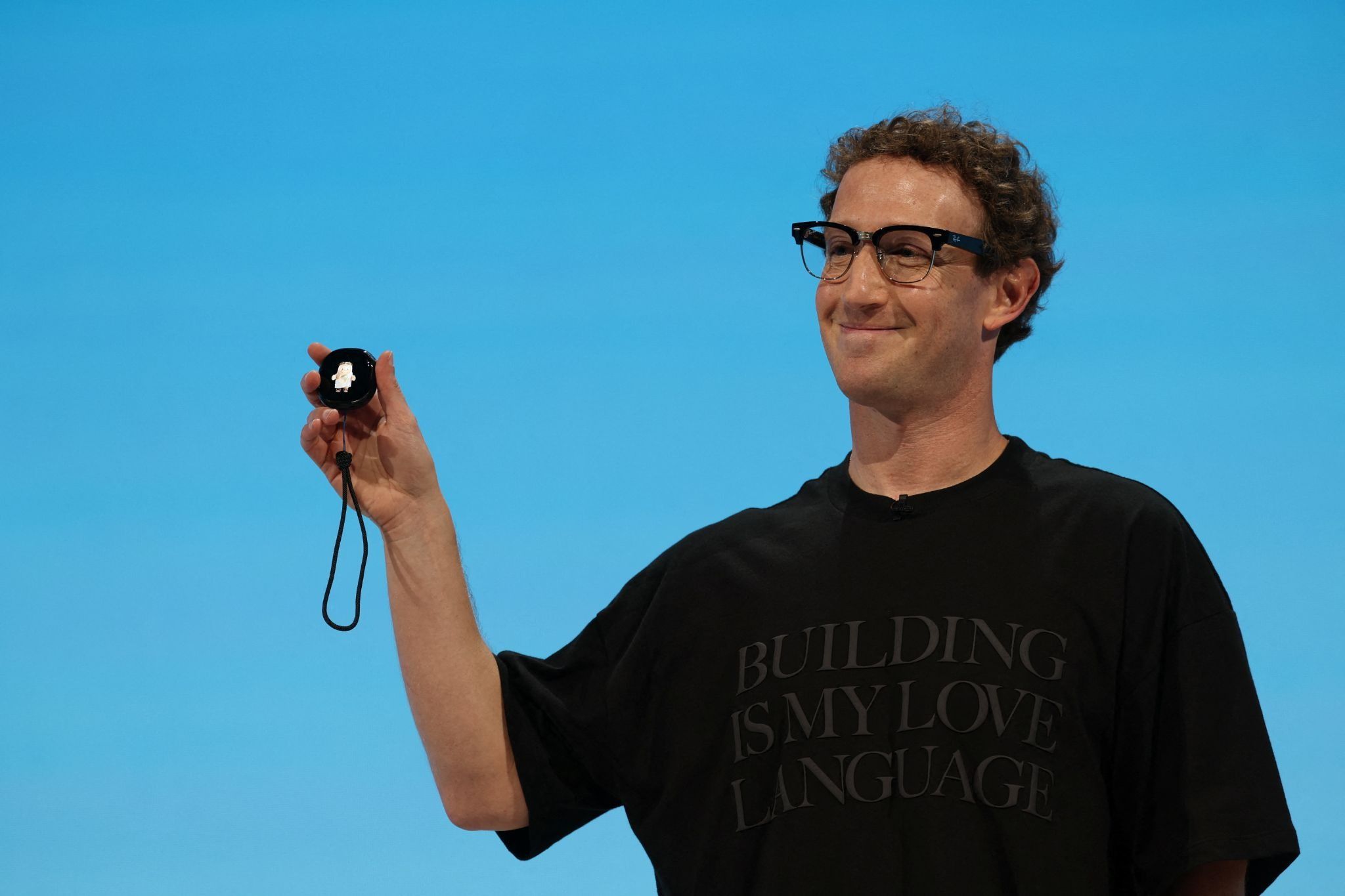
Apple and Meta said they would jointly release a new open-weight AI model designed to run on high-end Macs, ai…
A Zenn contributor sorted AI use into three modes — AI as an assistant, AI running alongside people, and AI th…