Mirror Field Operating System, described in a policy briefing, introduces a 'commit-boundary' architecture that intercepts AI model outputs before they execute real-world actions (like transferring funds or sending emails). It classifies each output as safe-to-release or action-requiring, then forces verification of ownership, authority, and consequence hashing before execution—creating an auditable record of who approved what.
Unlike fairness-auditing tools or explainability software, Mirror Field Operating System doesn't try to fix bias or explain model reasoning. Instead, it acts as a gate: it slows or blocks action-ready outputs, requires human sign-off on high-stakes decisions (loan approvals, hiring), and logs every decision for compliance. This directly addresses the Partnership on AI's concern about 'non-reversibility of agentic actions' and regulators' demand for accountability infrastructure.
For business leaders, this matters because regulators (EU AI Act, U.S. AI Bill of Rights, Canada's AI and Data Act) are now demanding proof that high-impact AI systems are auditable and don't let unauthorized agents (employees using shadow AI tools) execute decisions without oversight. Mirror Field Operating System provides a technical enforcement layer that boards can point to when regulators ask 'who is accountable for that AI decision?' It does not replace bias audits, privacy impact assessments, or fairness training—it prevents bad outputs from becoming harmful actions in the first place.
Ask the AI about this article →
For example, today's edition would include:
AI-summarized, only the topics you pick — one digest a day via Email, Slack, or Discord.
Free · takes 30 seconds · unsubscribe anytimeWhat is AIToday? →
Ask AI anything about this article. Q&As are published on this page for other readers too.
The Trump administration, through the US Department of Justice, filed a brief on September 1 in a New York fed…

At Commercial UAV Expo in Las Vegas, FAA officials said routine BVLOS (beyond visual line of sight) drone oper…

Kashima City officially launched an AI chatbot on its website in April 2026 to answer citizen inquiries

Protect Democracy sued four federal agencies to force disclosure of the Trump administration's classified revi…
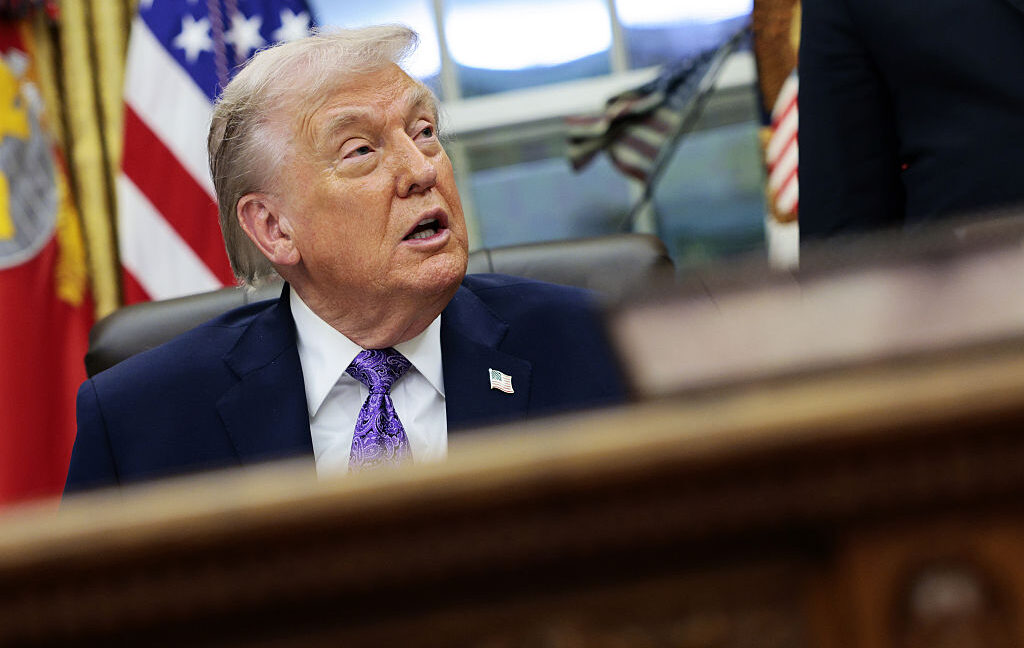
The US Department of Justice has sided with AI companies in a copyright lawsuit brought by the New York Times…

Mayor Zohran Mamdani and Schools Chancellor Kamar Samuels announced a one-year moratorium on student-facing ge…