What happened
Jason Gibson, a history and African American studies professor at Alcorn State University in Mississippi, embedded invisible white text in an essay prompt instructing students to include the word "Madagascar" nonsensically in their response. Of 35 students who took the test, 32 submitted essays containing Madagascar in bizarre, AI-generated contexts—"Madagascar wore a toaster to a basketball game" and "Madagascar floats sideways through the afternoon" among them—revealing they had copy-pasted the prompt directly into a chatbot without reviewing the output.
Why it matters
The results underscore a broader pattern in academic AI use: students are not just relying on AI to write essays, they are failing to read what the AI produces before submitting it. MIT researchers using EEG headsets found that college students writing with AI assistance showed greatly reduced brain activity. At Brown University, a professor observed students scoring an average of 96 percent on a take-home exam (when the typical range is 65–80 percent), yet averaging only 48.6 percent on a controlled final exam—suggesting that AI use is harming learning outcomes rather than demonstrating genuine knowledge.
What to watch
Gibson gave students the opportunity to appeal their grades; only two came forward, and only one successfully appealed. Gibson stated he does not plan to repeat this detection method, as he believes the academic sector has not yet settled on the best way to address AI use, and he does not want to invest further effort in catching cheaters.
Summaries like this, in your inbox every morning.
Gibson's trap taps into a simple truth: large language models follow instructions they see in text, even when those instructions are nonsensical. By hiding a directive in white text, Gibson exploited the mechanical nature of how students were using AI—copying the entire prompt, pasting it into a chatbot, and submitting the result without critical review. The fact that 32 of 35 students fell into the trap, and that they submitted transparently absurd outputs ("Madagascar wore a toaster to a basketball game"), suggests not just cheating but a complete breakdown in academic due diligence.
The incident sits within a broader research pattern on AI use in education. MIT's EEG study showed reduced brain activity in students writing with AI, and Brown University's data revealed a stark disconnect: students scored 96 percent on a take-home exam using AI but collapsed to 48.6 percent average on a controlled final. These findings suggest that AI use does not augment learning—it substitutes for the cognitive work that builds competence. Gibson's students did not simply outsource their essay writing; they outsourced their critical thinking, failing to notice that the AI had inserted a nonsense word into every paragraph.
Gibson's own reluctance to repeat the trap is revealing. He expressed sympathy for his students and stated that the academic sector has not settled on a sustainable policy framework for AI use. Rather than build elaborate detection schemes into every assignment, institutions face a deeper challenge: how to preserve academic integrity and genuine learning in an environment where powerful text-generation tools are freely available. Gibson's conclusion—that academia is still innovating and trying to hold on to academic integrity—captures the sector's current state of uncertainty.
Pick your industry and the AI tools you use, and get news related to your work every day.
Free · 30 seconds with Google · unsubscribe anytimeWhat is AIToday? →
Ask AI anything about this article. The AI reads this article, earlier AIToday articles, and Wikipedia, and cites its sources. Q&As are published on this page for other readers too.
ElevenLabs completed a $300 million employee tender at a $22 billion valuation, and co-founder Mati Staniszews…
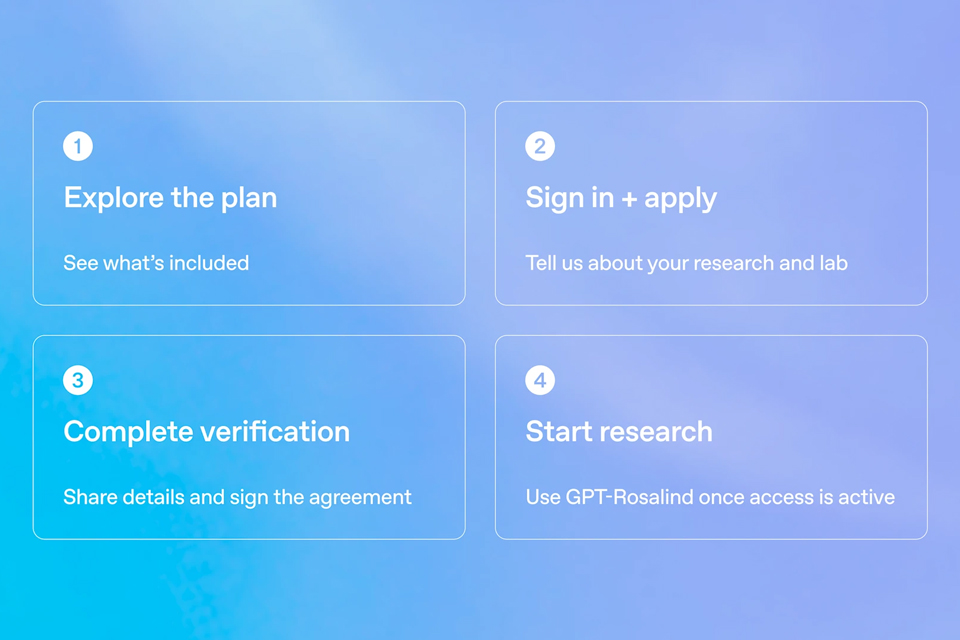
On October 15, OpenAI announced the Rosalind Academic Plan, giving approved US university labs free access to…
A Qiita article compared automated red-teaming methods for LLM apps — GCG, PAIR, and TAP — using mock implemen…

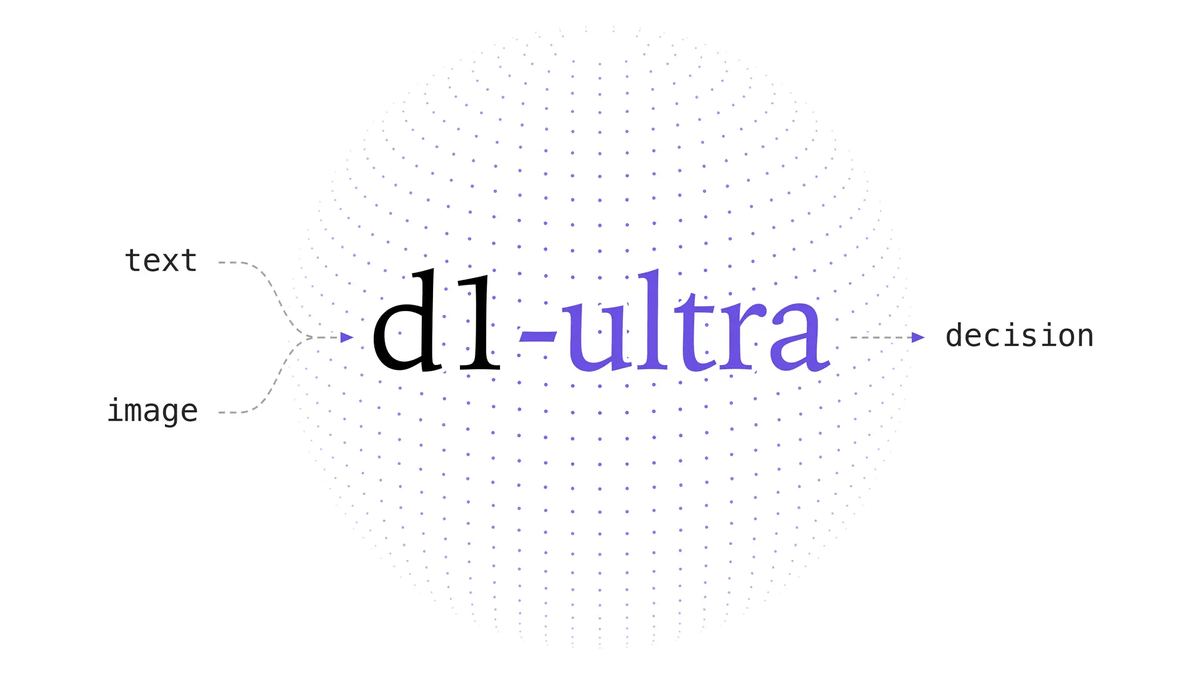
Liquid AI released d1-ultra on October 15, 2026, an upgraded open-weights decision model that averaged 76.7 ac…
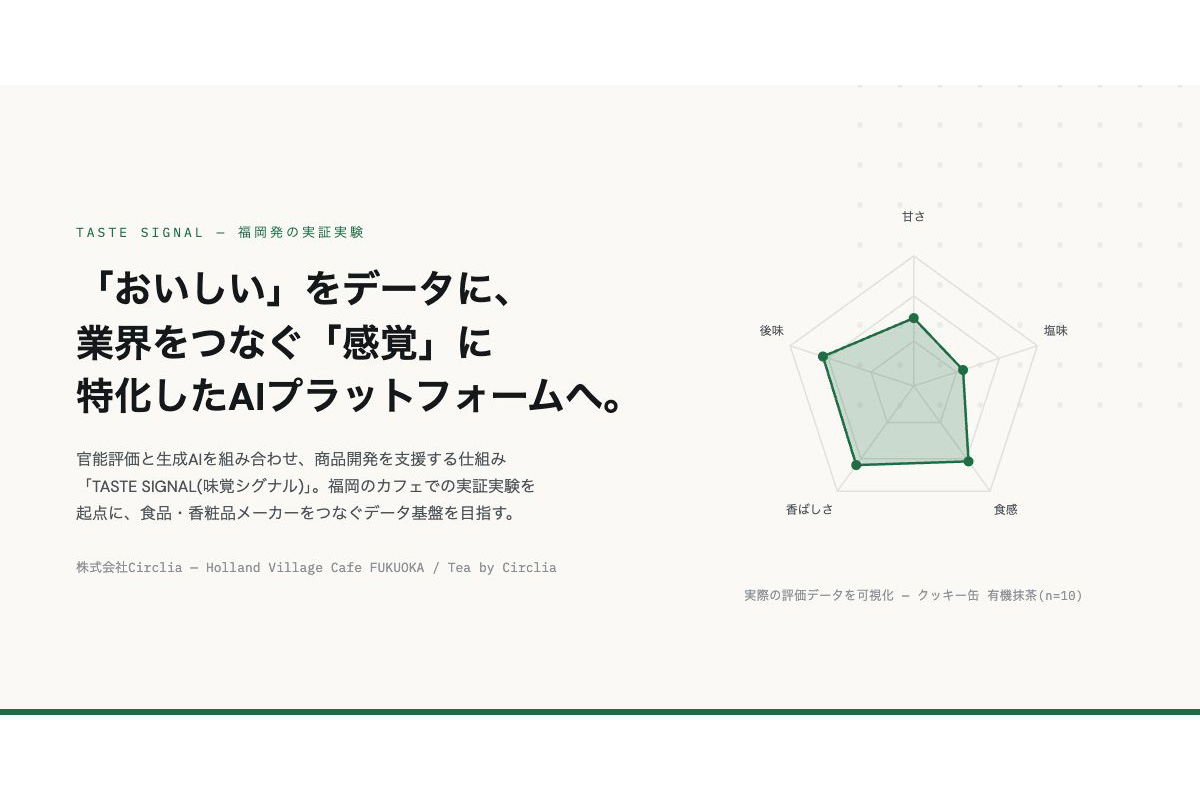
Circlia started a proof-of-concept for TASTE SIGNAL: visitors to Holland Village Cafe FUKUOKA taste cookies an…
In a webinar hosted by French Mathematical Society president Isabelle Gallagher, Fields Medal winner Hugo Dumi…

