What happened
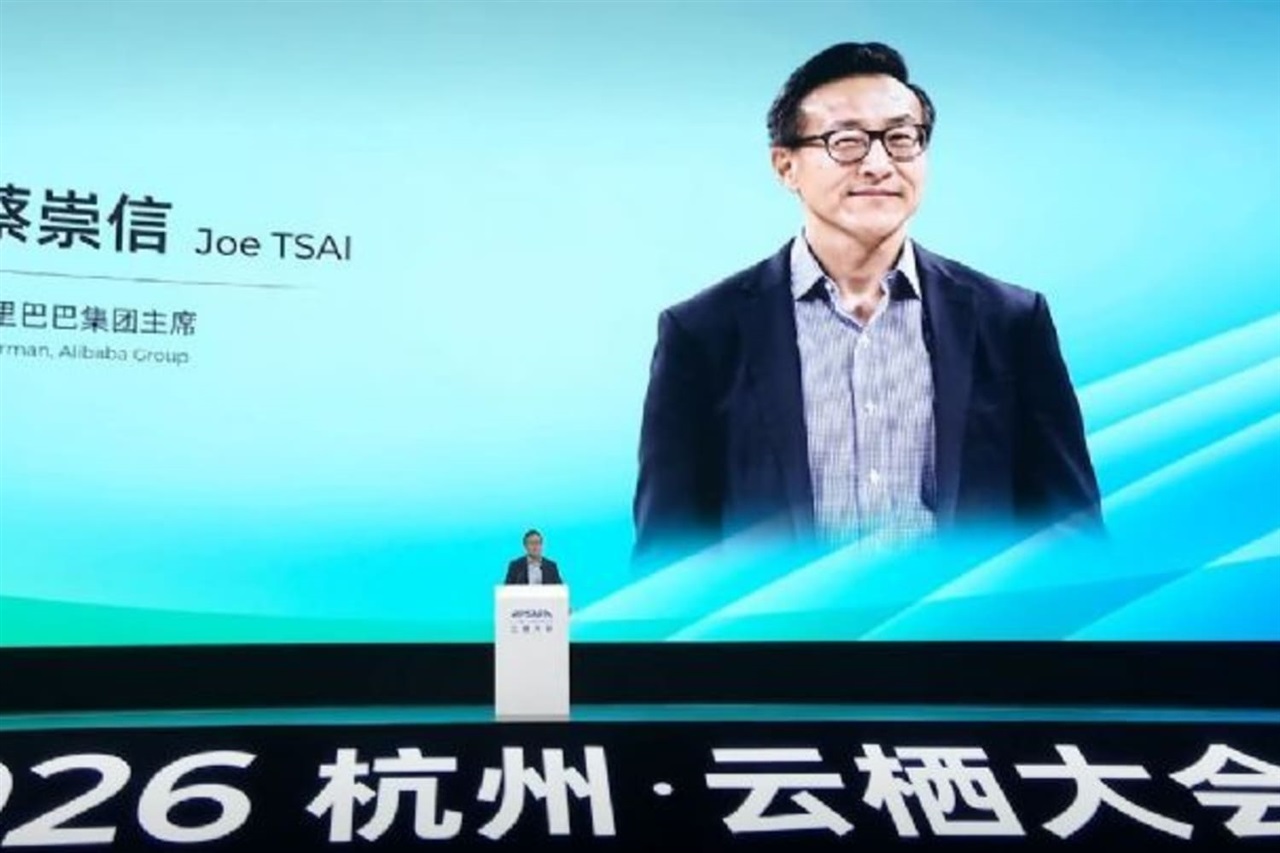
Alibaba unveiled the Zhenwu V900 on September 22 at the Apsara Conference in Hangzhou, claiming three times the performance of its M890 predecessor, 216 GB of HBM memory, and scaling to 500,000 chips per cluster.
Why it matters
The V900 builds on the M890, which has already shipped over 560,000 units to more than 400 external customers, so Alibaba appears to be extending a product already in commercial use rather than announcing ambition alone.
What to watch
The V900 is slated for commercial release in the first quarter of 2027, and the figures are vendor-reported, so the test is whether mass production and independent benchmarks match the claims.
WHO IT HITSThis lands on AI infrastructure buyers in China — data center operators and cloud providers that have been cut off from Nvidia's H100, A100, and Blackwell chips — who now have a domestically produced high-end option to evaluate.
Summaries like this, in your inbox every morning.
The V900 arrives against a backdrop of US export controls that have reshaped China's AI chip market. Nvidia's most advanced chips remain under a presumption of denial for China, and in January 2026 China itself blocked H200 imports. The Bureau of Industry and Security closed the third-country cloud loophole in May 2026, cutting off access via remote infrastructure in Malaysia, Singapore, and the UAE. Nvidia CEO Jensen Huang called the controls a "failure" at Computex in May 2025, noting the company's China data center revenue had effectively dropped to zero.
In that vacuum, Chinese chipmakers have filled the gap. They captured 41% of the local AI accelerator server market in 2025, up from near-zero levels in 2022, with Huawei holding roughly 62% share and Alibaba at approximately 5%. Analysts at Counterpoint Research described the M890 as a "believable replacement" for firms cut off from the H200, and the V900 extends that claim to frontier-scale training. Alibaba is also pursuing vertical integration — chip, model, and infrastructure — with plans for a 5-10 trillion parameter model and 20 GW of global data center capacity by 2032.
The stakes hinge on whether Alibaba can replicate Nvidia's ecosystem moat inside a market Western suppliers have been forced to abandon. For Chinese firms needing frontier-scale compute, the V900 may offer a domestic path that did not exist before the controls. But the chip's specifications are vendor-reported and the production timeline is still over a year away, so the real test will be whether independent benchmarks confirm the performance claims and whether mass production meets demand.
For example, today's edition would include:
AI-summarized, only the topics you pick — one digest a day via Email, LINE, or Slack.
Free · 30 seconds with Google · unsubscribe anytimeWhat is AIToday? →
Ask AI anything about this article. Q&As are published on this page for other readers too.
Amazon blocked Muse, a move Stratechery calls predictable, but the article argues there is still room for a de…

Meta surged 11 percent, Bloomberg reported, after its free AI agent Muse topped download charts following its…
At its Apsara conference in Hangzhou, Alibaba Group said it is developing an AI model up to four times larger…
Moxie Marlinspike, who created Signal, launched Confer, an AI chatbot using Nvidia-based trusted execution env…

Xiaomi released and open-sourced its MiMo-V2.6 series on September 22, after livestreaming the reinforcement l…
At the 2026 Apsara Conference opening Sept