Routiium (open-source project) released a self-hosted gateway that sits between your app and AI providers (OpenAI, vLLM, Ollama, AWS Bedrock). It adds API key management, request filtering, and safety checks while staying compatible with existing OpenAI SDKs — developers point their code at Routiium's local port 8088 instead of the provider, no SDK rewrite needed.
The core safety feature: a built-in "judge" that automatically detects and blocks prompt injections, data exfiltration attempts, and unsafe tool calls before they reach the AI model. It uses both deterministic rules (pattern matching) and optional LLM-based judgment, then either rejects the request or downgrades it to a safer AI model alias (auto, fast, balanced, safe, secure, premium) based on risk level — agentic apps get a denial response and can retry safely instead of crashing.
For teams shipping LLM features in production, this eliminates the need to build custom safety layers or trust providers' guardrails alone. Engineering teams can install via npm, run `routiium serve`, and gain rate limiting, analytics, managed API keys, and policy routing out of the box. Non-technical users benefit because apps using Routiium will reject jailbreak attempts and dangerous requests automatically.
Routiium is open-source and available via npm (`npm install -g routiium`), Docker, or cargo. Teams can run it self-hosted on their own infrastructure or connect it to a remote Router-compatible policy service for centralized governance across multiple deployments.
Summaries like this, in your inbox every morning.
Pick your industry and the AI tools you use, and get news related to your work every day.
Free · 30 seconds with Google · unsubscribe anytimeWhat is AIToday? →
Ask AI anything about this article. The AI reads this article, earlier AIToday articles, and Wikipedia, and cites its sources. Q&As are published on this page for other readers too.
In Q2, billionaires or their funds sold six 'Magnificent Seven' AI stocks
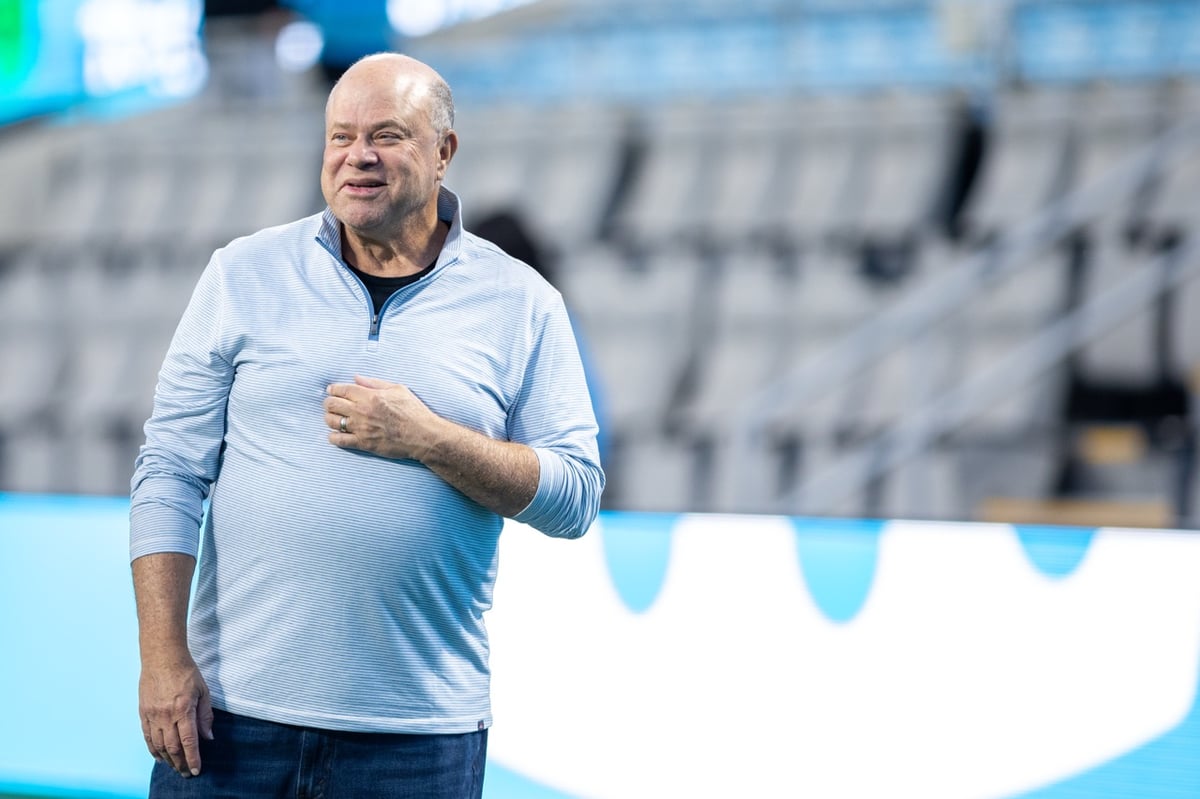
Nvidia was rising early Friday, even as the wider chip sector kept falling, Barron's reported

ElevenLabs completed a $300 million employee tender at a $22 billion valuation, and co-founder Mati Staniszews…

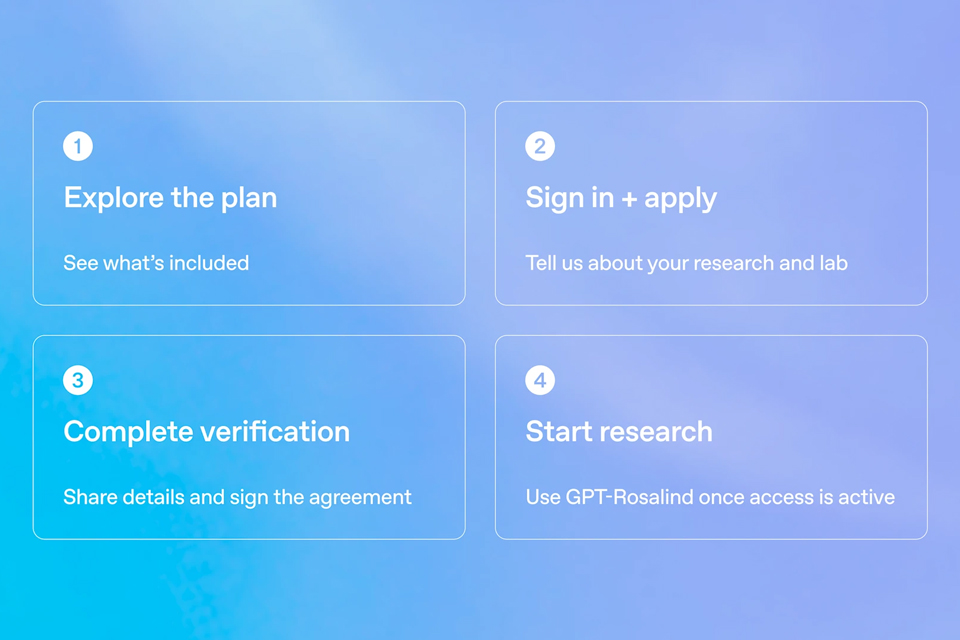
On October 15, OpenAI announced the Rosalind Academic Plan, giving approved US university labs free access to…
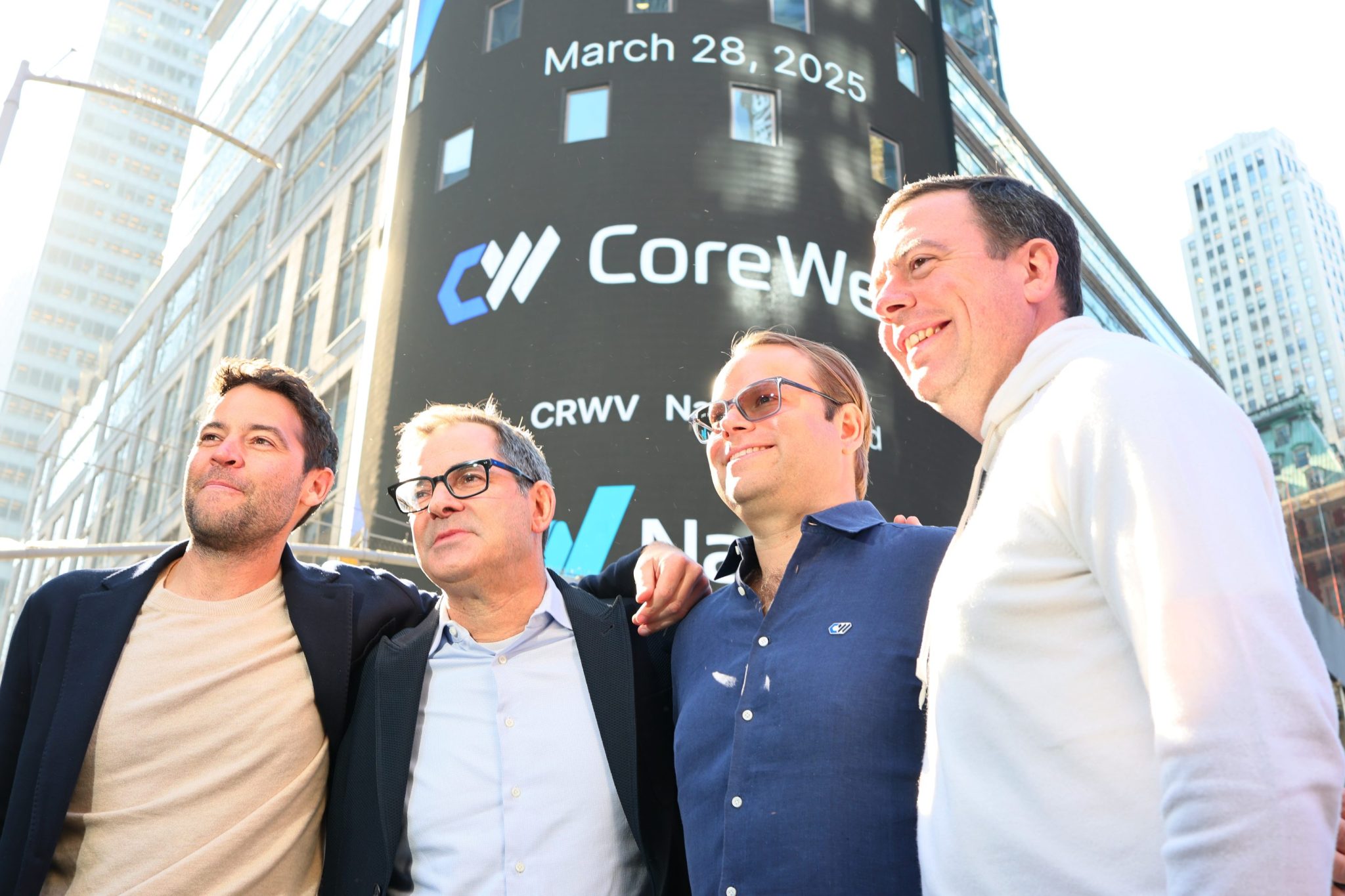
Neostellar Capital principal Evan Schlossman said CoreWeave's $103.7 billion in remaining performance obligati…
A Qiita article compared automated red-teaming methods for LLM apps — GCG, PAIR, and TAP — using mock implemen…


