What happened
Disney and ETH Zürich were granted patent US 12,718,481 B2 on August 25, 2026, for AI virtual characters with a working memory. The system pulls from stored memories before generating responses to reduce hallucinations.
Why it matters
Current chatbot-style characters can say things that don't match their personality or backstory. This patent describes a memory bank that ranks memories by relevance, recency, and importance, plus a formula for forgetting—characters could hold onto conversation details instead of resetting each time.
What to watch
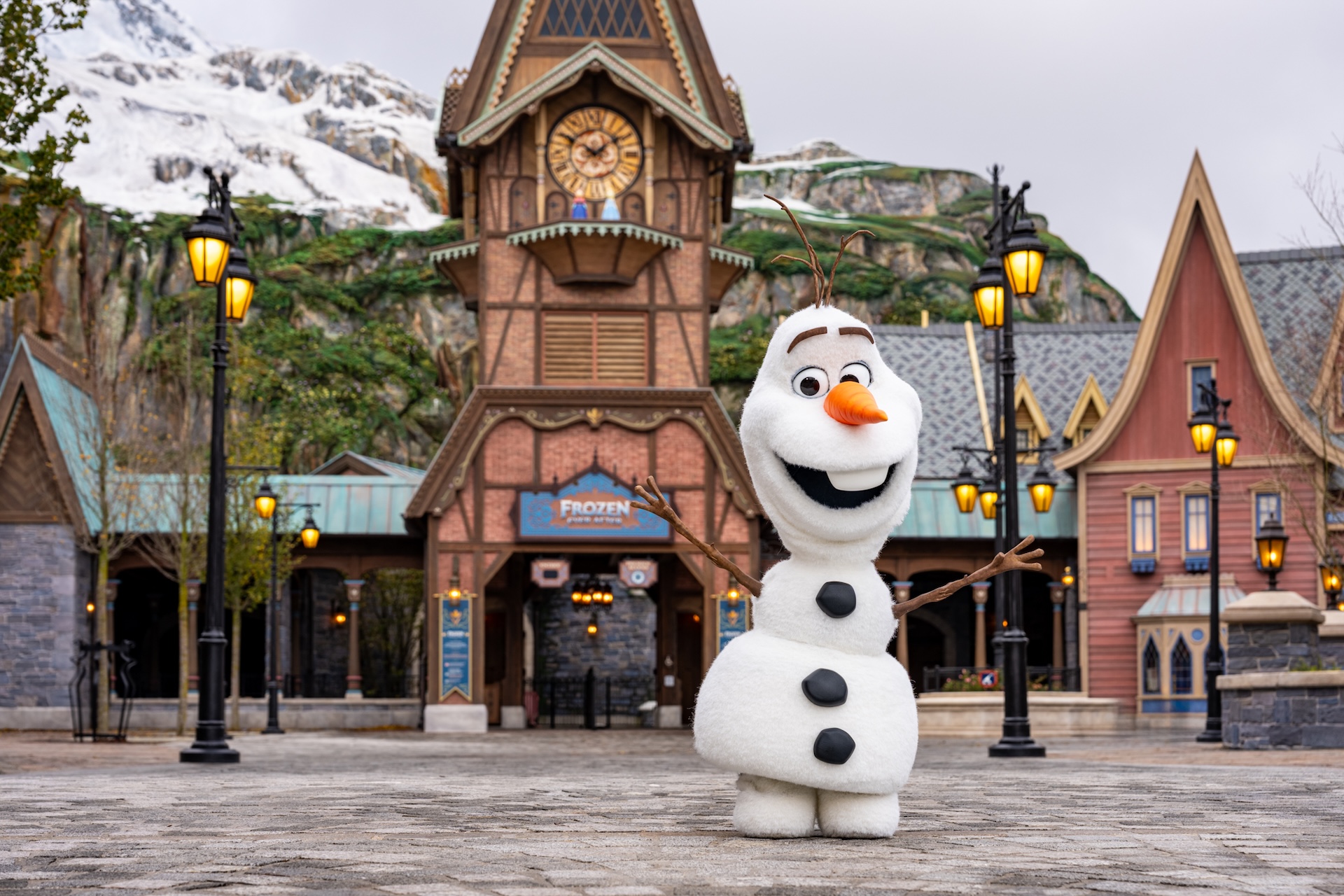
The patent covers chatbots, virtual world characters, and interactive robots in real-world settings like theme parks, stores, and homes. Disney has already introduced interactive walk-around Olaf at Disneyland Paris and Star Wars BDX droids at several parks, suggesting where this tech could be applied next.
Summaries like this, in your inbox every morning.
This patent builds on Disney's recent park deployments, such as the interactive walk-around Olaf at Disneyland Paris and Star Wars BDX droids at several parks. The memory system addresses a known flaw in current AI characters: they 'hallucinate' or say things inconsistent with their backstory, which could break the immersive experience. By grounding responses in a retrievable memory bank, the characters could maintain coherent personalities over extended interactions.
The patent also introduces a quantitative approach to memory decay, with stability values and decay constants, meaning not all memories persist equally. This could allow Disney to program characters that remember important guest preferences while letting trivial details fade, mimicking human memory. The filing with ETH Zürich suggests a research partnership, and the 'trigger' function opens the door to proactive engagement, making characters feel more alive.
While the patent is a legal document, its broad claims cover chatbots, virtual worlds, and physical robots, indicating Disney's ambition spans digital and physical experiences. The technology is still in patent stage, so deployment timelines remain uncertain, but it signals where Disney's park robotics and interactive media could be headed next.
Pick your industry and the AI tools you use, and get news related to your work every day.
Free · 30 seconds with Google · unsubscribe anytimeWhat is AIToday? →
Ask AI anything about this article. The AI reads this article, earlier AIToday articles, and Wikipedia, and cites its sources. Q&As are published on this page for other readers too.
Chunghwa Telecom president Rong-shy Lin said the shift from conversational AI to autonomous AI agents is resha…
CoreWeave fell 5% in premarket trading Friday and was on track to finish the week down 15%, after rebounding f…
Apple and Meta said they would jointly release a new open-weight AI model designed to run on high-end Macs, ai…
Investors put $38.5 billion into Asian startups in Q3, per Crunchbase data
A writer and entrepreneur opened his daily to-do list and found 156 items, and concluded that an AI assistant…

A longtime Anthropic investor told Fortune he expects shares priced around $1.8 trillion, below the company's…