AIToday
AI Business & IndustryDIGITIMES AsiaPublished: Sep 1, 2026, 13:00 JST1 min read

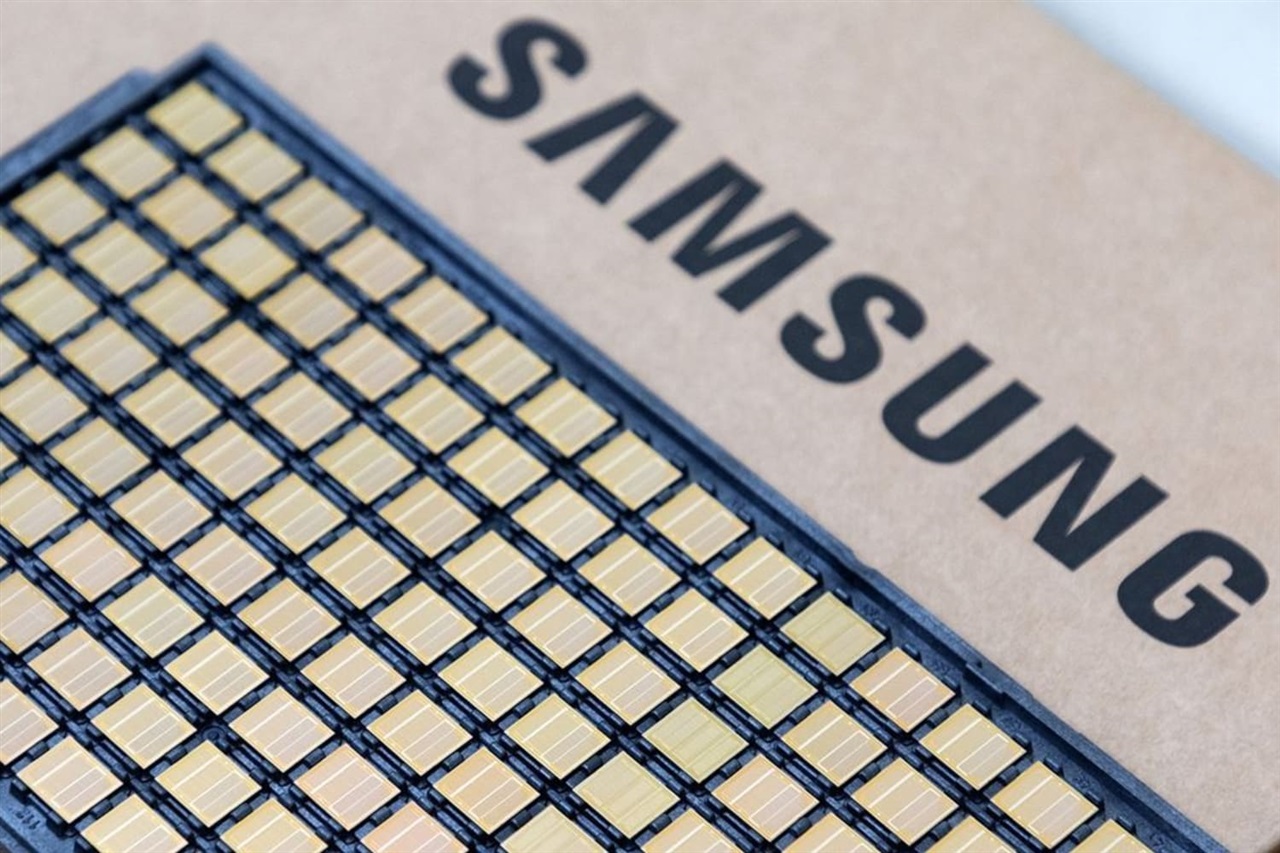
Samsung locks 70% of memory output as HBM prices soar

Samsung locks 70% of memory output as HBM prices soar

Key takeaway

  • Samsung has locked 70% of its memory production under long-term deals. AI demand for HBM is tightening the chip shortage.

  • HBM spot prices are soaring.

  • This may affect supply for other buyers.

3 Key Points

  1. What happened

    Samsung Electronics has locked up as much as 70% of its memory production capacity under long-term supply agreements (LTAs), driven by relentless AI infrastructure demand for high bandwidth memory (HBM).

  2. Why it matters

    This move tightens the broader chip shortage, as a large share of Samsung's memory output is now committed to long-term deals, potentially affecting supply and pricing for other buyers in the market.

  3. What to watch

    The article highlights that HBM spot prices are soaring, which could further strain the memory market. However, specific price figures or future projections are not provided in the article.

Ask the AI about this article →

Context & Analysis

Samsung Electronics' decision to commit up to 70% of its memory production to long-term supply agreements (LTAs) underscores the intensifying demand for high bandwidth memory (HBM) in AI infrastructure. The article indicates that this demand is tightening the broader chip shortage, a context that likely pressures both suppliers and buyers. While the body does not provide specific price figures, it notes that HBM spot prices are soaring, suggesting a market under strain from supply constraints. This development could have ripple effects for other memory buyers, potentially leading to higher costs or supply uncertainties in the near term. However, the article does not offer forecasts or details on how this will unfold, so any such implications remain speculative.

FAQ

What percentage of Samsung's memory production is locked under long-term agreements?
Samsung has locked up as much as 70% of its memory production capacity under long-term supply agreements (LTAs).
Why is Samsung locking up its memory production?
The move is driven by relentless AI infrastructure demand for high bandwidth memory (HBM), which is tightening the broader chip shortage.
DIGITIMES AsiaRead Original Article

Get the latest AI Business & Industry news every morning

For example, today's edition would include:

  • Z.ai runs GLM on 100,000 Chinese AI chipsDIGITIMES Asia · 22m ago
  • AI optical interconnects move into racks as 400G/lane and CPO matureDIGITIMES Asia · 22m ago
  • Nvidia revives Rubin CPX chip with major redesignYahoo Finance AI · 22m ago

AI-summarized, only the topics you pick — one digest a day via Email, Slack, or Discord.

Free · takes 30 seconds · unsubscribe anytimeWhat is AIToday? →

Ask AI

Ask AI anything about this article. Q&As are published on this page for other readers too.

Related Articles

Next articleWhy AI images feel 'cringey' to consumers