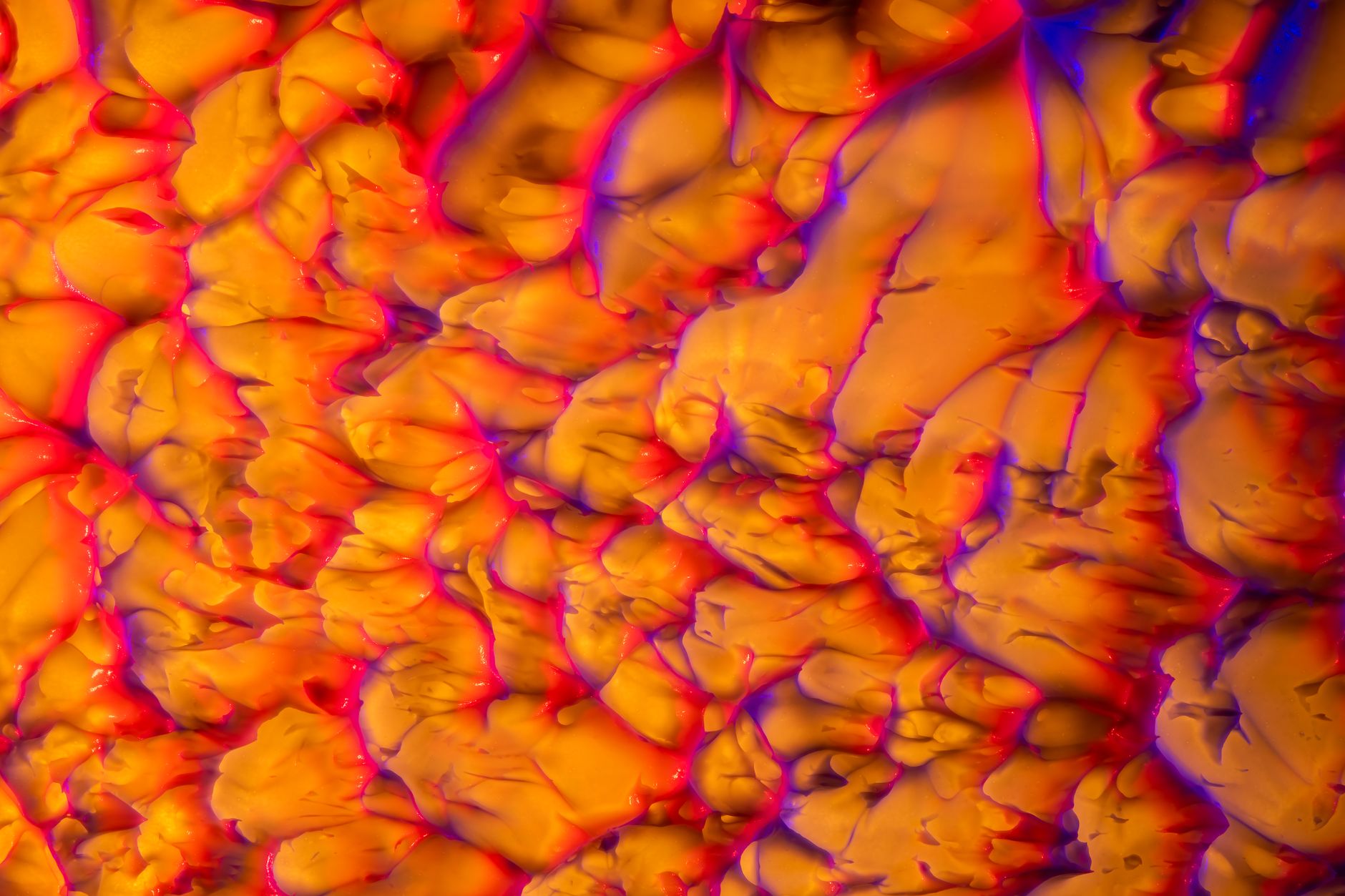
What happened
A writer used Claude Code with P-H3-Image to generate 8-megapixel posters from text in one pass each; the portrait's text held up, but the Shibuya crowd's central face broke and needed cropping.
Why it matters
The result suggests single-pass generation can carry a large figure and big simple text, but dense small faces are where it fails, so crowd scenes may need manual repair.
Summaries like this, every morning.
The experiment pairs a single-subject portrait poster with a dense Shibuya scramble crossing to test how P-H3-Image handles scale and detail at roughly 8 megapixels.
The repair process is the most concrete finding. Editing the full 8-megapixel image changed the composition and rounded the output to 3552×2368. A 640-pixel crop around the face barely changed anything. Cropping just the head to a smaller square, upscaling it, and editing it with a portrait-redraw instruction fixed the face, then the writer composited it back with a blurred oval mask. The writer says the reason was not verified but suspects that a larger share of the frame lets the model spend resolution on facial detail.
The write-up is candid about limits: each version used a single seed, few repeat-seed comparisons were run, and the relationship between face size and breakage rate was not counted. Separately, the license notes that the MiniMax H3 Community License excludes the EU, UK, South Korea, and US from usable regions, and that marking generated output as machine-made appears in the prohibited list.
Pick your industry and the AI tools you use, and get news related to your work every day.
Free · 30 seconds with Google · unsubscribe anytimeWhat is AIToday? →
Ask AI anything about this article. The AI reads this article, earlier AIToday articles, and Wikipedia, and cites its sources. Q&As are published on this page for other readers too.
Ideogram published Ideogram 4.0 on June 3, 2026 as an open-weights 9.3B, 34-layer Diffusion Transformer using…

Creek & River will stream free archives of its two-part seminar on image generation with ChatGPT Work, a paid-…

A case study reports that generative AI gave ImmunoCAP™ the visceral imagery a $65,000 budget couldn’t buy
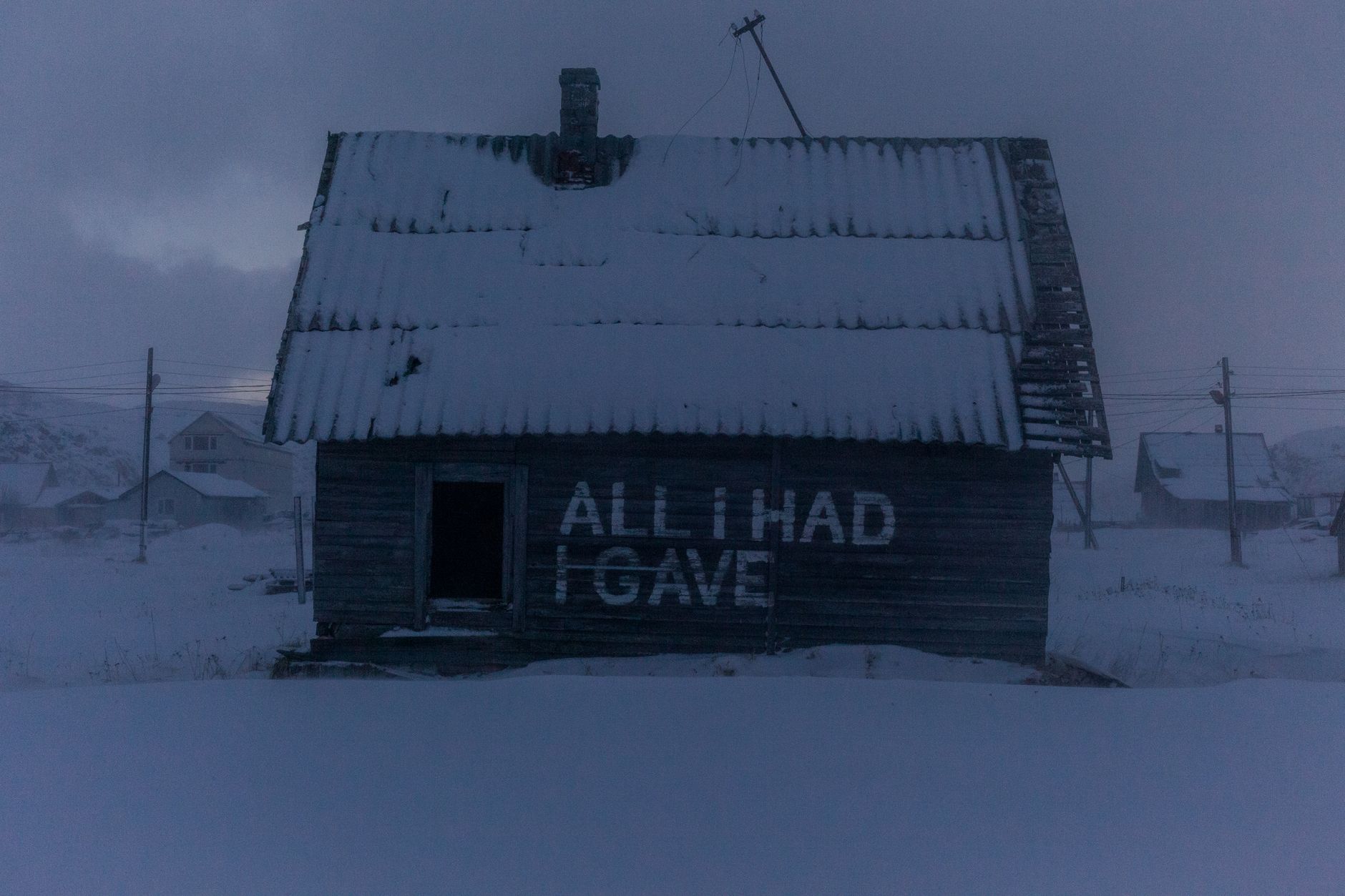
For an 80-second animation, the author generated 89 images with Animagine XL 4.0, added motion and subtitles i…

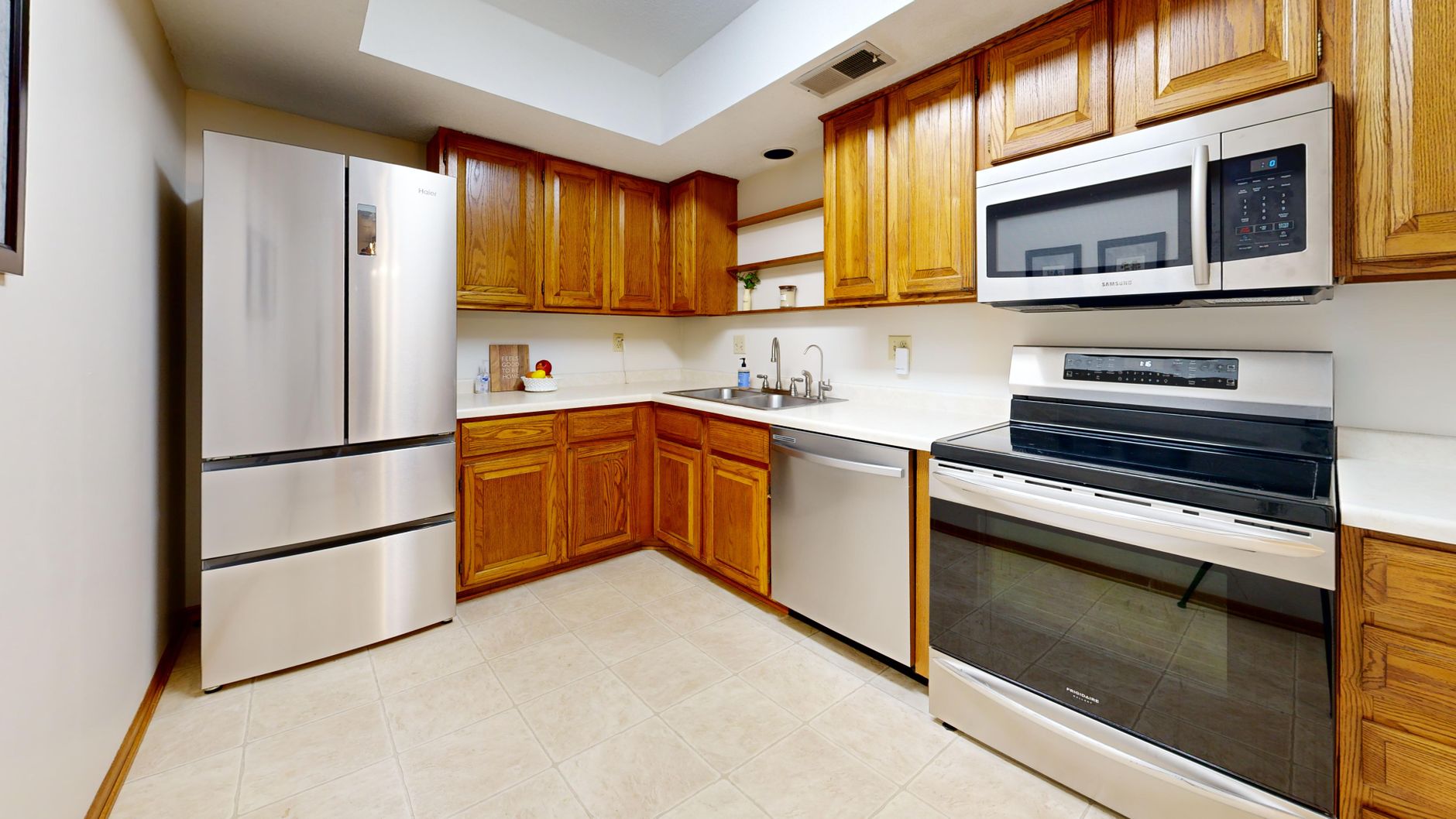
AI Kitchen Preview, a freemium web service, lets users upload one photo of their existing kitchen and preview…
HIX AI released an AI illustration maker that recreates styles from watercolor to 3D and auto-generates commer…


